The Secret To Durable, High-Strength Composites? It All Starts With Premium Fiberglass Roving
Table of Contents
Add a header to begin generating the table of contents
Introduce
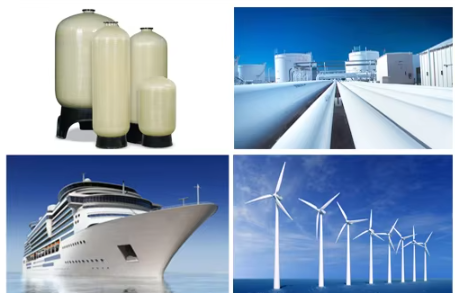
In the global composites industry, most attention goes to finished products — from sleek wind turbine blades to corrosion-resistant storage tanks. But few buyers realize that the strength, durability and overall quality of every composite part trace back to one foundational material: fiberglass roving.
For composite manufacturers, choosing the right roving is not just about picking a raw material. It directly determines the mechanical performance of end products, production line efficiency, long-term maintenance costs and brand reputation. Low-grade roving may look identical to premium options at first glance, but inconsistencies in filament quality, sizing formulation and tension control lead to weak points, high scrap rates and premature product failure.
This guide breaks down the core types of fiberglass roving, explains why leading brands invest in premium grades, walks through the manufacturing challenges that separate reliable suppliers from commodity vendors, and helps manufacturers and distributors source the right reinforcement material for their projects.
What Is Fiberglass Roving, Exactly?
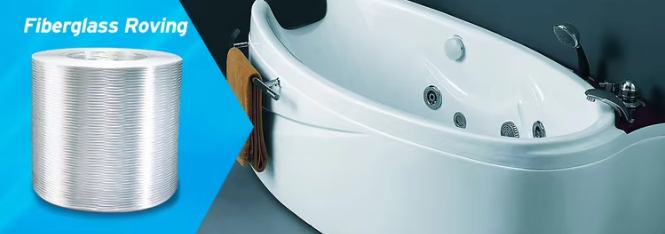
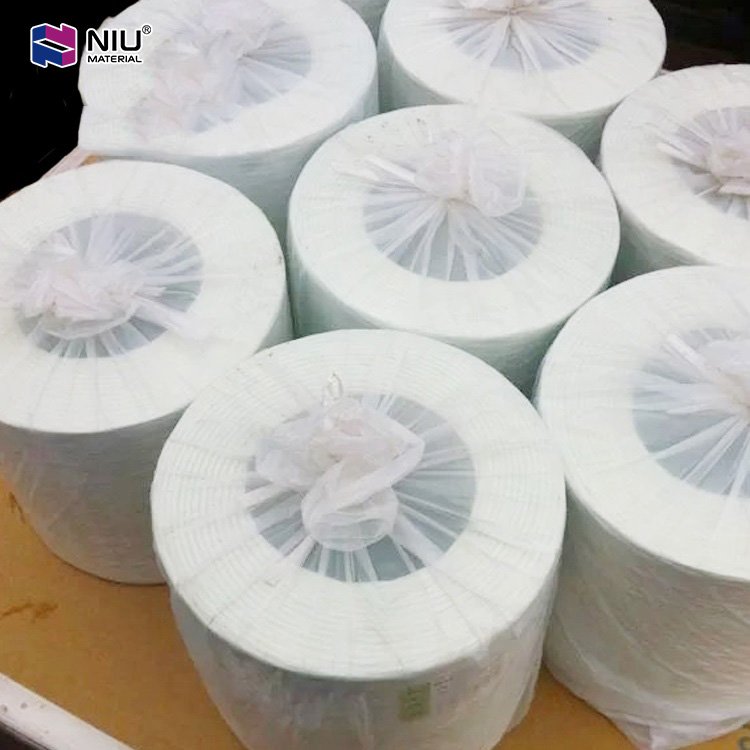
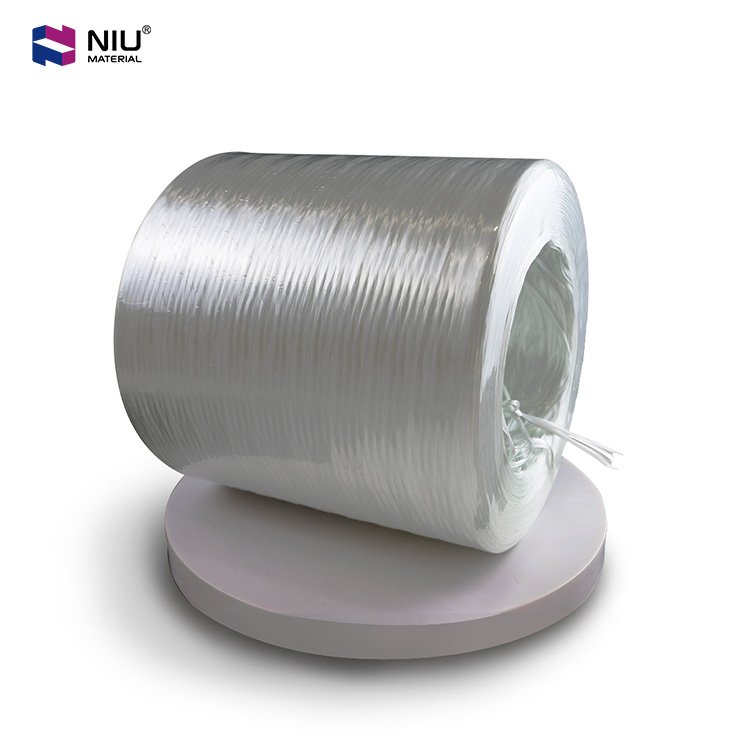
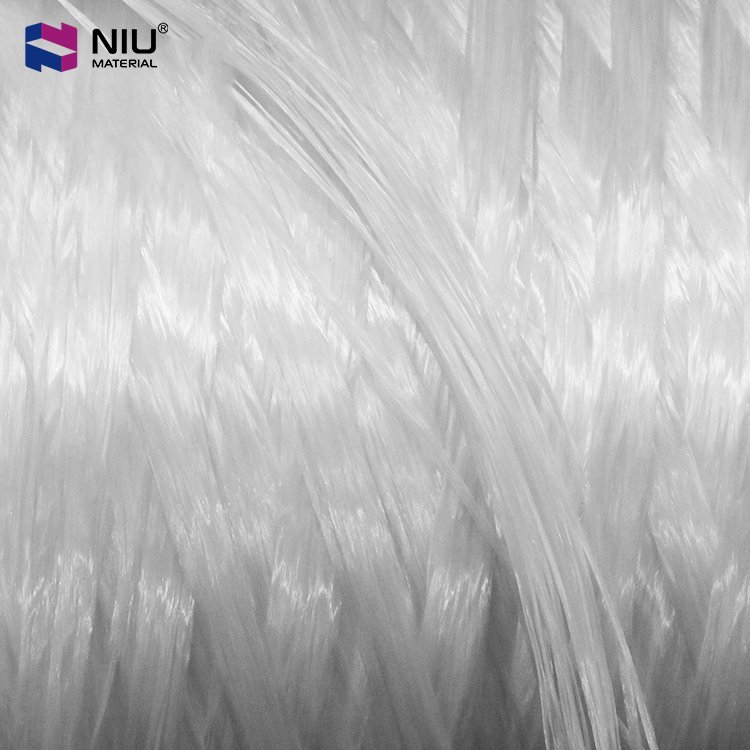
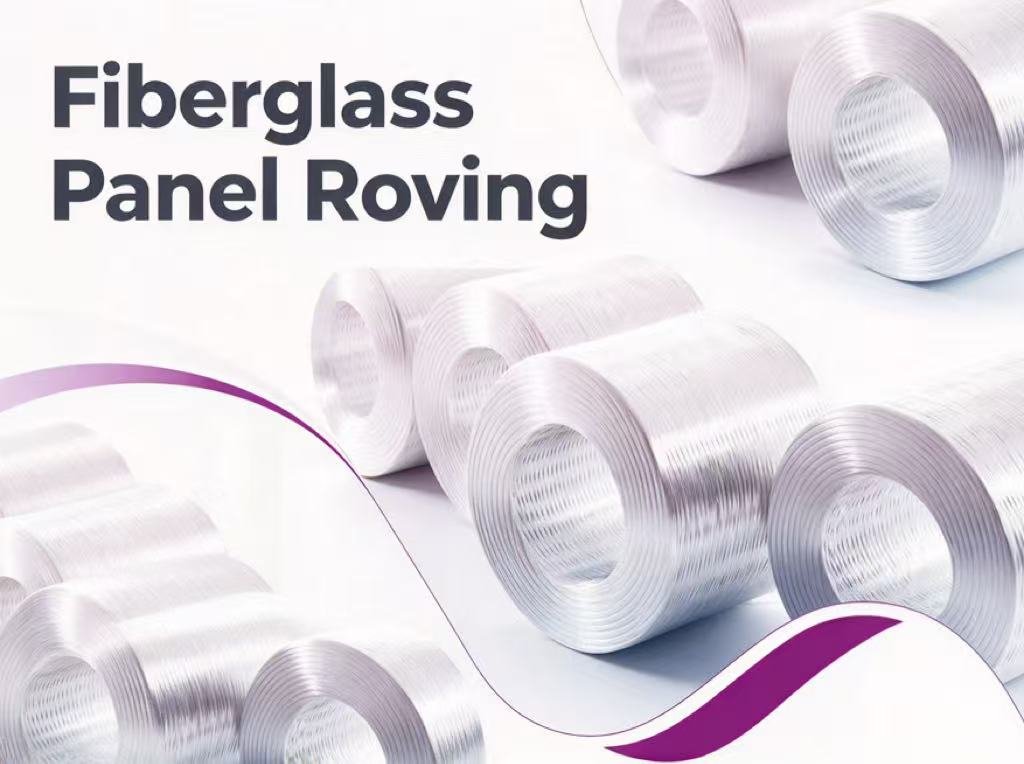
Fiberglass roving is a core industrial reinforcement material made of hundreds to thousands of continuous glass filaments, bundled in parallel without twist. It serves as the primary reinforcing component for a vast range of composite products, with different grades engineered for specific manufacturing processes and performance requirements.
Below are the most widely used commercial grades:
Fiberglass Direct Roving
Wound directly from the fiber drawing process with uniform filament tension, this is the most common grade for filament winding and pultrusion. It is the go-to choice for large-format, high-strength products like pipes, tanks and structural profiles.
Assembled Fiberglass Roving
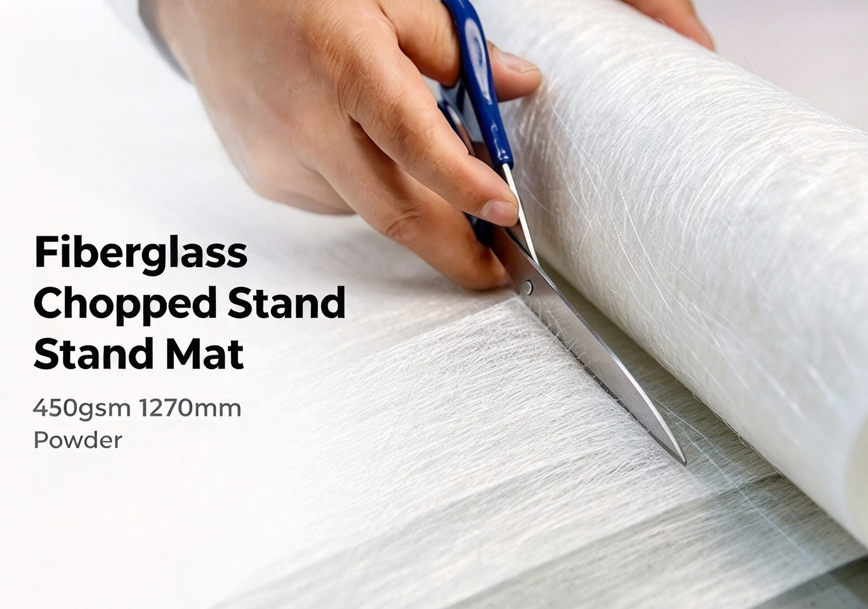
Produced by combining multiple strands of direct roving into a higher linear density bundle, this grade is optimized for sheet molding compound (SMC Fiberglass Chopped Strand Mat) and compression molding processes.
Fiberglass Spray Up Roving
Engineered for spray-up processes, this roving cuts cleanly and disperses evenly in resin, making it ideal for bathroom ware, boat hulls, automotive interior parts and FRP decorative panels.
Filament Winding Fiberglass Roving
Built with precise tension control and excellent abrasion resistance, this grade delivers consistent performance for pressure pipes, chemical tanks and other rotary wound products.
SMC Fiberglass Roving
Formulated with specialized sizing for fast resin wet-out, this roving is the standard reinforcement for sheet molding compounds, used widely in automotive parts, electrical enclosures and construction components.
Alkali-Resistant Fiberglass Roving
Coated with a special alkali-resistant formulation, AR fiberglass roving retains its strength in high-pH cement and mortar environments, making it an essential reinforcement material for GRC (Glassfiber Reinforced Concrete) products.
High Tensile Fiberglass Roving
Manufactured with high-strength glass formulations, this grade delivers significantly higher tensile strength and modulus than standard roving, designed for heavy-load applications like wind turbine blades and high-pressure pipelines.
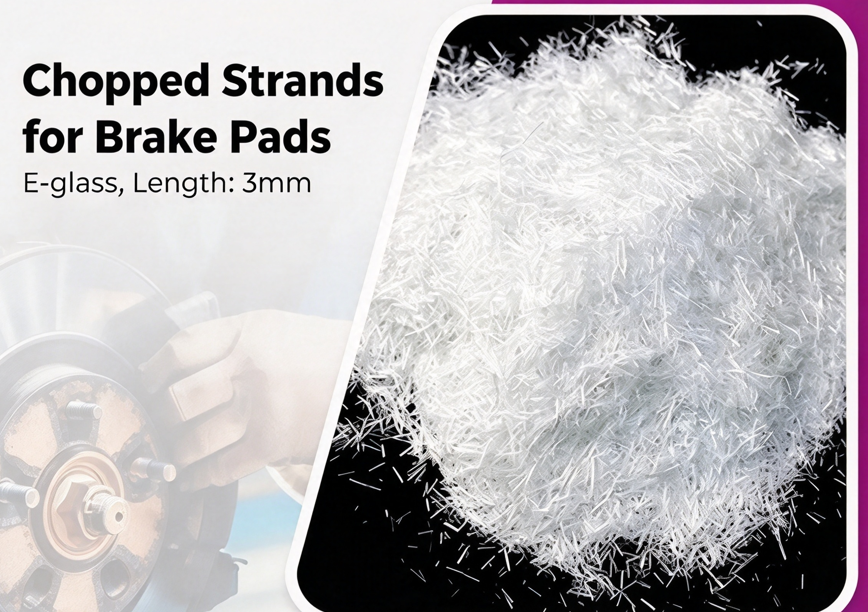
Chopped Fiberglass Roving
Precision-cut into short fibers, this grade is used for reinforced plastics, brake linings, building insulation and other applications requiring dispersed fiber reinforcement.
Why Top Composite Manufacturers Prioritize High-Grade Fiberglass Roving
The performance gap between budget and premium fiberglass roving is not visible to the naked eye, but it becomes obvious in production efficiency and end-product lifespan. Leading composite brands rely on premium roving for three irreplaceable advantages.
Superior Mechanical Strength & Structural Reliability
The most fundamental value of high tensile fiberglass roving is its consistent, predictable mechanical performance. Premium roving has tightly controlled filament diameter and uniform tension across every strand, so each fiber bears load evenly when embedded in resin. The result is a composite part with higher tensile strength, better impact resistance and no hidden weak points.
For safety-critical products like pressure vessels and wind turbine blades, this consistency directly translates to higher safety factors and longer service life. Low-grade roving, by contrast, has high strength variation, which can lead to unexpected structural failure even when the total fiber weight is the same.
Optimized Processability & Higher Production Efficiency
Different manufacturing processes demand very different fiber properties. Fiberglass spray up rovingneeds clean chopping and uniform dispersion; filament winding fiberglass roving requires steady tension and abrasion resistance; SMC fiberglass roving depends on fast, thorough resin wet-out.
Premium roving is formulated with application-specific sizing agents that are tailored to match target resins and processes. This reduces fuzz, breakage and fiber agglomeration on the production line, cutting scrap rates by 15–30% and allowing faster line speeds. For high-volume manufacturers, this efficiency gain alone justifies the modest premium for quality roving.
Long-Term Environmental & Chemical Durability
Composite products are often deployed in harsh outdoor, chemical or high-moisture environments, where material degradation directly shortens service life.
Standard roving loses strength gradually when exposed to alkalis, UV radiation or corrosive chemicals. Alkali-resistant fiberglass roving, with its protective coating, maintains over 90% of its tensile strength after long-term immersion in cement slurry, making it reliable for exterior GRC facades and concrete reinforcement. Premium grades also offer better UV and moisture resistance, reducing maintenance and replacement costs for outdoor products over decades of use.
Producing consistent, high-performance fiberglass roving requires precision engineering and strict process control at every stage. Three technical challenges separate premium manufacturers from low-cost commodity suppliers.
Precise Filament Diameter & Tension Uniformity
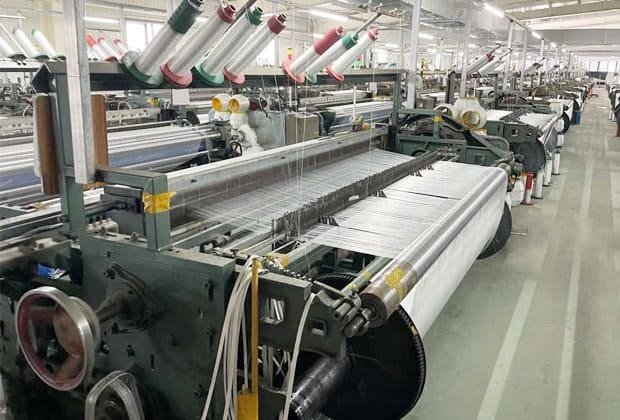
The consistency of fiberglass roving depends entirely on the fiber drawing stage. Each bundle contains hundreds of individual filaments, and even minor variations in diameter or tension will create weak points in the final strand.
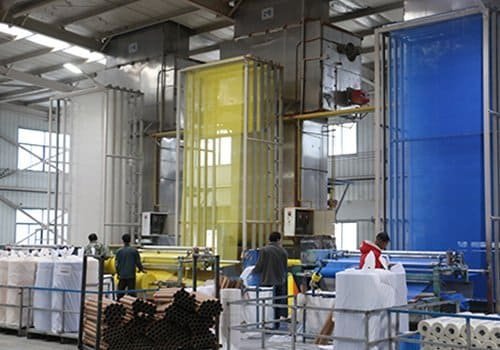
Premium manufacturers use precision bushings, closed-loop temperature control and real-time tension monitoring to ensure uniform filament size and even tension across the entire roving bundle. This level of control requires advanced equipment and rigorous quality checks, and it is the primary reason premium roving delivers far more predictable performance than budget alternatives.
Custom Sizing Formulation & Uniform Coating
Sizing — the thin chemical coating applied to glass filaments — is the core technology of fiberglass roving. It protects filaments during processing, ensures compatibility with resin systems, and directly impacts the mechanical performance of the finished composite.
Different applications require completely different sizing formulas. For example, SMC fiberglass roving needs sizing that enables fast resin penetration, while alkali-resistant fiberglass roving requires a coating that withstands high-pH environments. Developing and applying these formulations uniformly across thousands of filaments is a major technical barrier, and it is where low-cost roving most often falls short.
Annealing & Moisture Control For Stable Performance
After drawing, glass filaments retain internal residual stress, and they absorb moisture easily from the air — both of which degrade processing performance and final strength.
High-quality roving goes through a controlled annealing and drying process to relieve internal stress and maintain low, consistent moisture content. This ensures the product performs reliably even after months of storage and transportation. Poorly dried roving causes fuzz, breakage and poor resin wet-out, leading to hidden defects in finished composite parts.
How To Select The Right Fiberglass Roving Supplier For Bulk Production
Choosing a fiberglass roving supplier is a long-term strategic decision, not just a price-based purchase. The right partner improves your product quality, reduces your production costs and grows with your business. Here are three key factors to evaluate.
Production Flexibility & Wide Grade Portfolio
Manufacturers have widely varying needs. Large-scale FRP factories need bulk, consistent supply of standard fiberglass direct roving, while niche custom fabricators may need small-batch assembled fiberglass roving or custom-sized grades for special projects.
A capable supplier offers flexible production scheduling and a broad product portfolio, with options across linear densities, sizing formulations and specialty grades. This allows you to source all your roving from one partner, simplifying procurement and quality management.
Customization Capabilities & Technical Support
Beyond standard products, the best suppliers offer deep customization: custom linear densities, application-specific sizing formulas, special coatings for high-temperature or corrosion resistance, and even joint R&D for new material solutions.
Equally important is on-site technical support. An experienced supplier will help you optimize process parameters, troubleshoot fuzz or wet-out issues, and improve your overall production yield — turning a raw material vendor into a true technical partner.
International Certifications & Consistent Quality Assurance
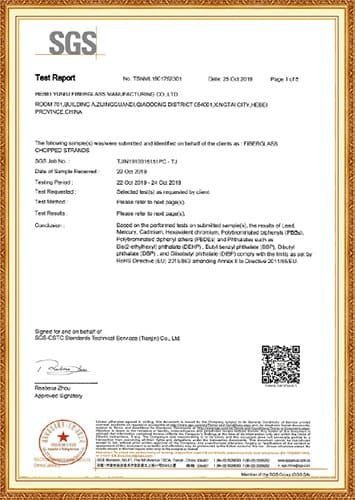
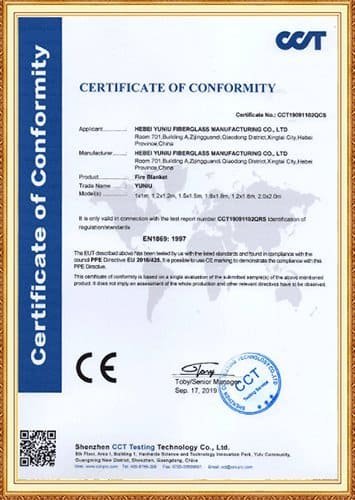
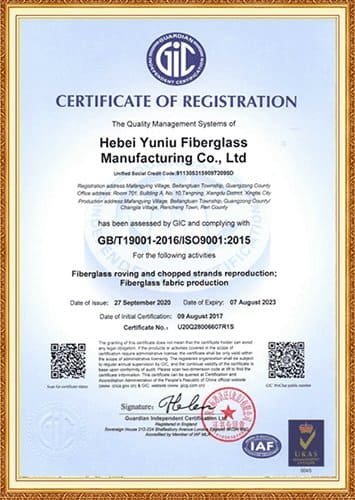
For industrial composite products, compliance with global quality and safety standards is non-negotiable. Reputable suppliers hold ISO 9001 certification, and their products, including fiberglass direct roving, meet ASTM, EN and REACH standards, with full batch traceability and test reports for every shipment.
This level of quality assurance eliminates compliance risks for cross-border trade and ensures your finished products meet industry-specific requirements for construction, transportation and energy sectors. High-performance fiberglass direct roving provides excellent strength, superior resin compatibility and consistent quality, making it an ideal reinforcement material for advanced composite applications.
In Conclusion
Fiberglass roving is far more than a basic industrial commodity — it is the structural foundation of every high-performance composite product. From wind energy to automotive manufacturing, from construction to marine engineering, the quality of your roving defines the upper limit of your product’s strength, durability and value.
Premium-grade roving delivers better mechanical consistency, higher production efficiency and longer service life for end products, more than justifying its modest cost premium. By partnering with an experienced fiberglass manufacturer that combines precise process control, broad customization options and strict quality assurance, you are not just sourcing a raw material. You are investing in stronger products, lower operating costs and a stronger competitive position in your market.
Do you want to know the technical parameters and TDS of products?
You can leave the specifications and contact information you need~ Our technicians will immediately organize the exclusive information for you and send it to your email!
Interested in this specification?
You can leave your contact information here, and we will send you detailed specifications and application cases to make your purchase clearer~
Contact us via email
You can leave a message about the fiberglass and other composite materials you are interested in/looking for.
We will send you a clear quotation (including product price + shipping cost) within 12 hours.
How can we help you?
You can leave a message about the fiberglass materials you are interested in/looking for.
We will send you a clear quotation (including product price + shipping cost) within 12 hours.