Why Your Composite Parts Keep Failing? The Hidden Flaw In Your Fiberglass Roving Choice
Table of Contents
Add a header to begin generating the table of contents
Introduce
When composite manufacturers face cracked parts, delamination or surface defects, most first adjust process parameters or switch resin formulas — few stop to check if the root cause lies in their reinforcement material. A wrong choice of fiberglass roving plants hidden quality flaws from the very start, driving up scrap rates, rework costs and after-sales complaints.
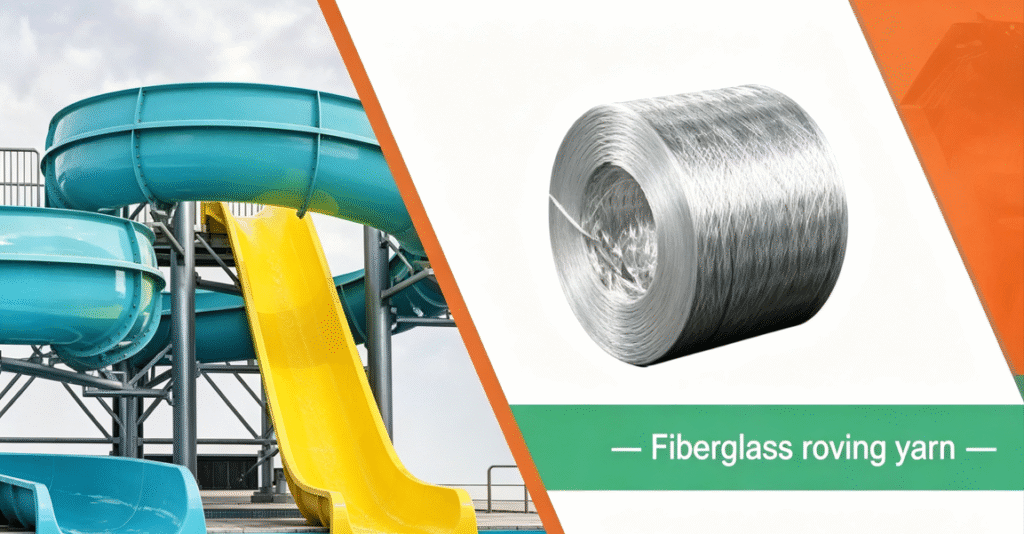
From standardfiberglass direct roving to application-specific functional grades, every type of roving is engineered for targeted processes and performance goals. Picking the right grade is the first step to lift product quality and cut operational waste.
How Mismatched Fiberglass Roving Drains Your Production Profit
Mismatched roving does not just cause obvious product defects — it creates invisible costs that eat into profit margins every day, across every stage of production.
Slow Line Speeds and Excessive Machine Downtime
On high-volume production lines, even small interruptions add up to major output losses. On filament winding lines, roving without abrasion-resistant sizing generates heavy fuzz and frequent breakage during high-speed feeding, forcing repeated machine stops for guide roller cleaning and thread re-threading.
Specialized filament winding fiberglass rovingsolves this with a wear-resistant coating that keeps lines running continuously with minimal waste. For factories running 24-hour production, this can add up to hours of extra runtime every week.
Rising Scrap Rates and Hidden Material Waste
Defective parts do not just waste resin and labor — they waste the fiberglass reinforcement itself. On spray-up lines, using generic fiberglass direct roving instead of dedicated fiberglass spray up roving leads to uneven chopping, poor fiber dispersion and clumping in resin.
This creates weak spots and uneven thickness in finished parts, and many pieces fail quality inspection entirely. For factories producing sanitaryware, boat hulls or decorative FRP panels, this can push scrap rates well above acceptable industry levels.
Post-Processing Rework and Labor Cost Overruns
Even when flawed parts pass inspection, they often require extra finishing work. Bumpy surfaces, fiber protrusions and uneven edges all demand additional sanding, grinding and patching.
Each extra minute of post-processing labor adds up across thousands of parts. Over the course of a year, choosing the wrong roving can add tens of thousands of dollars in unnecessary labor costs, with zero added value for the end customer.
Pick The Right Roving Grade For Every Manufacturing Process
There is no universal “best roving” — the optimal choice always aligns with your manufacturing process and end-product requirements.
For Filament Winding: Prioritize Tension Consistency
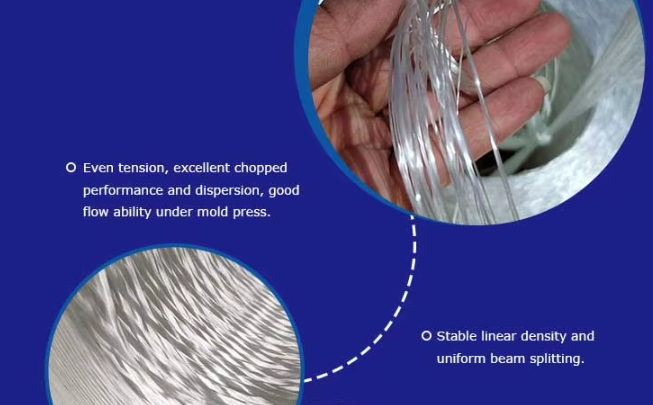
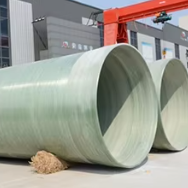
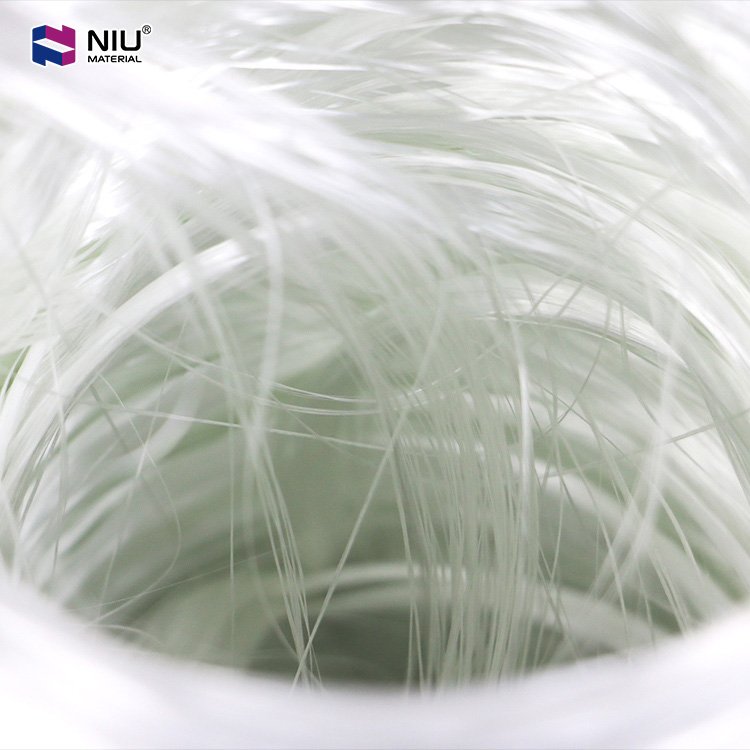
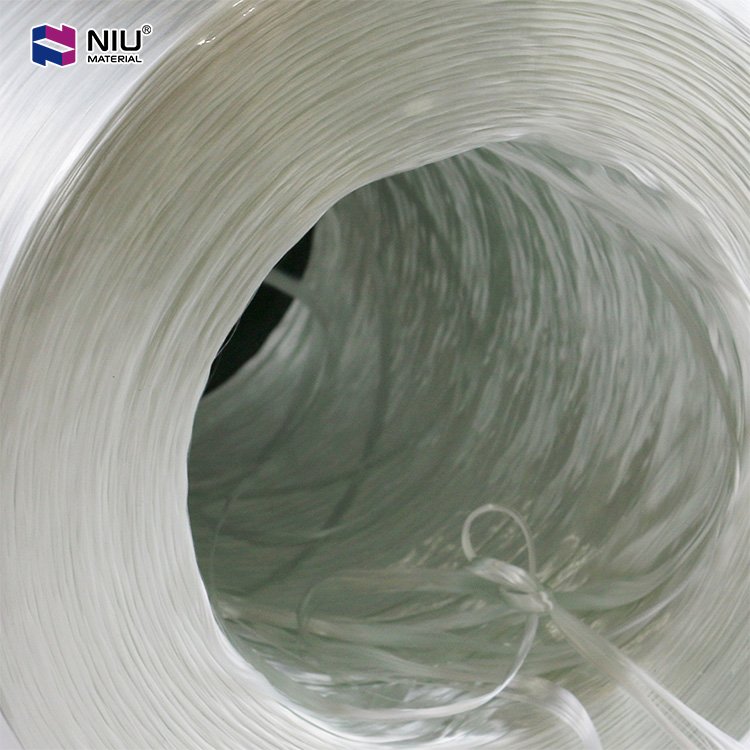
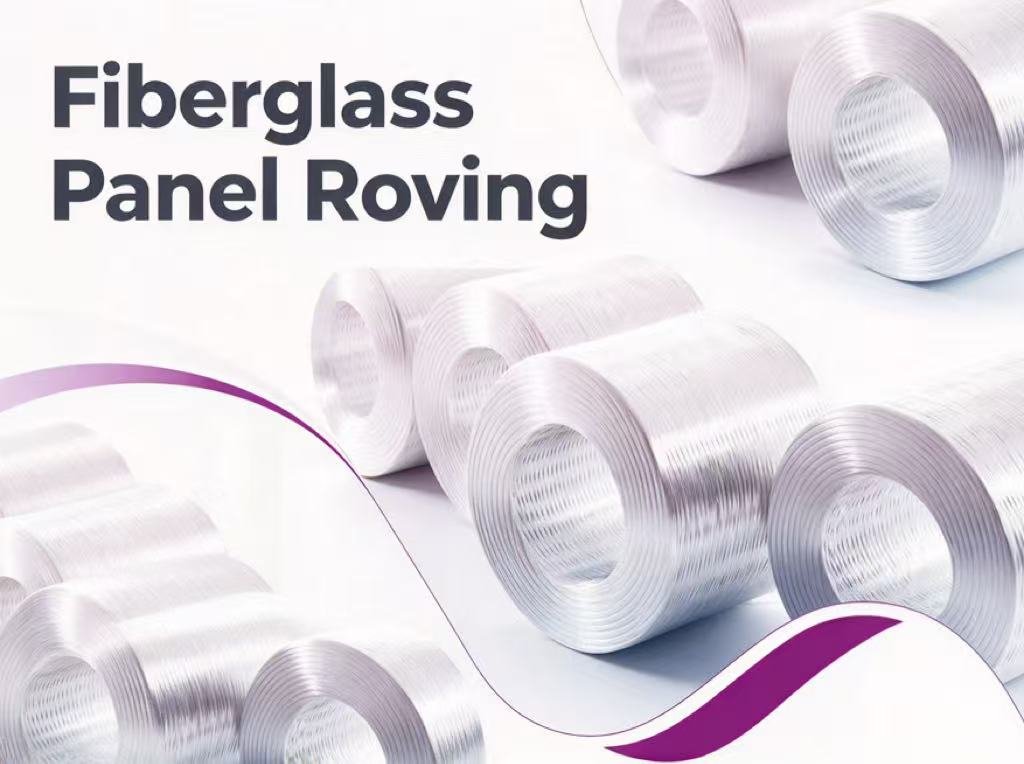
For pipes, storage tanks and structural profiles produced via filament winding, start with high-qualityfiberglass direct roving for its uniform tension and continuous single-strand structure.
For high-pressure heavy-load products, upgrade to high tensile fiberglass roving to boost structural strength and safety factors. Dedicated filament winding fiberglass roving adds enhanced abrasion resistance for high-speed production equipment.
For SMC Compression Molding: Focus On Resin Wet-Out Speed
For sheet molding compound production, choose assembled fiberglass roving or professional SMC fiberglass roving.
The combined strand structure and fast-wetting sizing disperse evenly in molding compounds, ensuring consistent isotropic strength across finished parts. Faster wet-out also shortens mixing and molding cycles, keeping high-volume lines running at full speed.
Low-cost tapes often use cheap rubber-based adhesives that lose adhesion over time, especially when exposed to temperature fluctuations or moisture. This leads to bubbling, edge lifting, and eventual joint failure—all of which require full rework to fix.
For Spray-Up Forming: Look For Clean Chopping Performance
For spray-up forming processes, use purpose-matchedfiberglass spray up roving for clean cutting and uniform fiber dispersion.
This grade is the industry standard for sanitaryware, boat hulls and decorative FRP panels, as it delivers a smooth surface finish and consistent strength distribution with minimal post-processing work.
For Construction Reinforcement: Insist On Alkali Resistance
Its protective coating withstands the high-pH environment of cement and mortar, preserving long-term structural integrity. Using standard roving in these applications leads to rapid fiber degradation and premature cracking within just a few years.
For Modified Plastics: Choose Precision-Cut Short Fibers
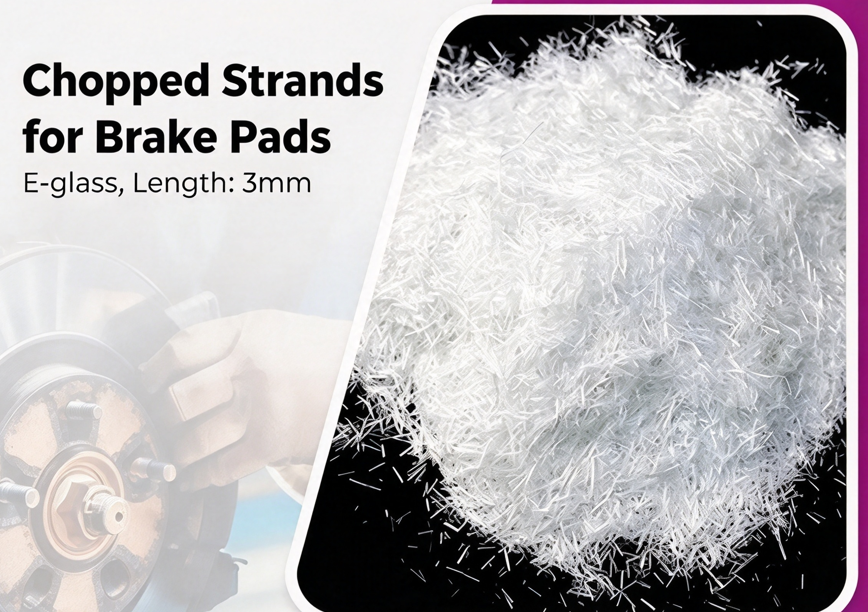
For modified plastics and short-fiber reinforcement applications, precision-cut chopped fiberglass roving delivers consistent fiber length and excellent dispersion.
Evenly distributed fibers uniformly improve the mechanical properties of plastic parts, including tensile strength, impact resistance and dimensional stability. Inconsistent fiber length leads to uneven part performance and higher defect rates.
Three Quality Traps In Cheap Fiberglass Roving You Should Avoid
Uneven Filament Tension: The Invisible Structural Weakness
Budget fiberglass direct roving frequently has loose and tight filaments mixed within the same strand. While the total weight per spool meets the spec, only a portion of fibers actually bear load under stress.
This leads to unpredictable part strength and sudden structural failure, even when the total fiber content matches design requirements. For safety-critical products like pressure vessels, this inconsistency creates serious liability risks.
Thin, Low-Grade Sizing: The Root Of Poor Bonding Performance
Without proper annealing and drying processes, roving retains internal stress and absorbs ambient moisture easily. This causes excess fuzz, breakage and poor impregnation during processing.
This issue is especially impactful forchopped fiberglass rovingand fine-count roving grades, where even small moisture changes disrupt production consistency. Roving that performs well on delivery may perform poorly after just a few months of warehouse storage.
How To Vet A Fiberglass Roving Supplier For Long-Term Partnership
Choosing a roving supplier is a long-term strategic decision, not a one-time price-based purchase. Focus on three core criteria to find a partner that grows with your business.
Full Product Portfolio: One-Stop Sourcing For All Your Needs
A capable supplier should offer a complete range from standardfiberglass direct roving to specialty grades including high tensile fiberglass roving, alkali-resistant fiberglass roving and chopped fiberglass roving.
Consolidating sourcing to one partner simplifies quality management and procurement workflows, and creates more leverage for pricing and lead time negotiations as your order volume grows.
Traceable Quality Control: Batch Data You Can Verify
Reputable suppliers provide full batch test reports for every shipment, including tensile strength, alkali retention rate, moisture content and sizing compatibility data.
Look for ISO 9001 certification and compliance with ASTM, EN and REACH standards to eliminate cross-border trade compliance risks. Every batch should be fully traceable from raw material melt to finished spool.
Technical Support: More Than Just A Material Vendor
Beyond standard products, a strong supplier can customize linear density, sizing formulations and special coatings for your unique application.
Their technical team should also support process optimization and troubleshooting, helping you reduce scrap rates, improve line speeds and resolve production issues quickly. This turns a raw material vendor into a true technical partner.
In Conclusion
Fiberglass roving is far more than a basic raw material — it is the foundation of your product’s strength, durability and production efficiency. Most composite quality issues trace back to mismatched or low-quality roving, and fixing that one choice delivers cascading benefits across your entire operation.
By matching the right roving grade to your production process, avoiding the hidden traps of cheap supplies and partnering with an experienced, quality-focused manufacturer, you can cut scrap rates, reduce downtime and deliver more reliable, longer-lasting products to your customers. For composite manufacturers competing on quality and cost efficiency, choosing the right fiberglass roving is one of the highest-return investments you can make.
Do you want to know the technical parameters and TDS of products?
You can leave the specifications and contact information you need~ Our technicians will immediately organize the exclusive information for you and send it to your email!
Interested in this specification?
You can leave your contact information here, and we will send you detailed specifications and application cases to make your purchase clearer~
Contact us via email
You can leave a message about the fiberglass and other composite materials you are interested in/looking for.
We will send you a clear quotation (including product price + shipping cost) within 12 hours.
How can we help you?
You can leave a message about the fiberglass materials you are interested in/looking for.
We will send you a clear quotation (including product price + shipping cost) within 12 hours.