Add a header to begin generating the table of contents
Introduce
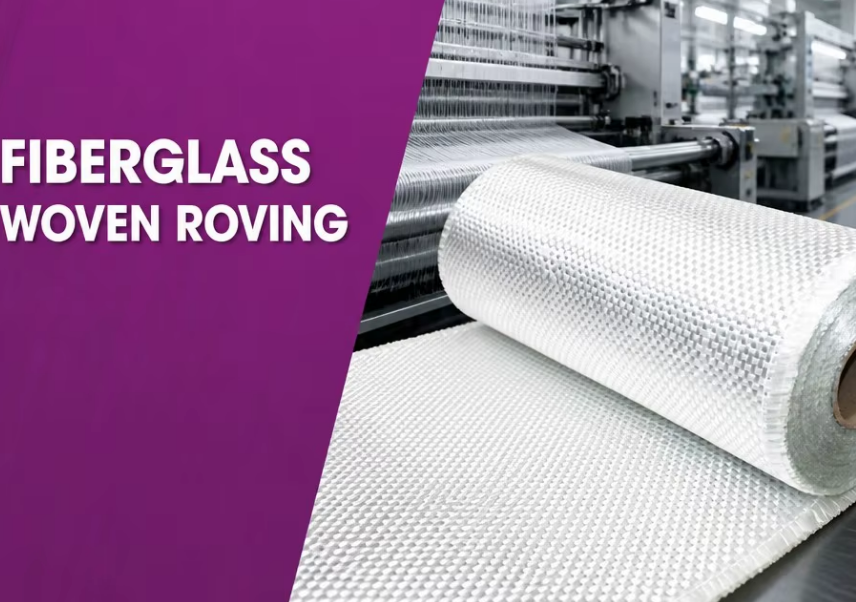
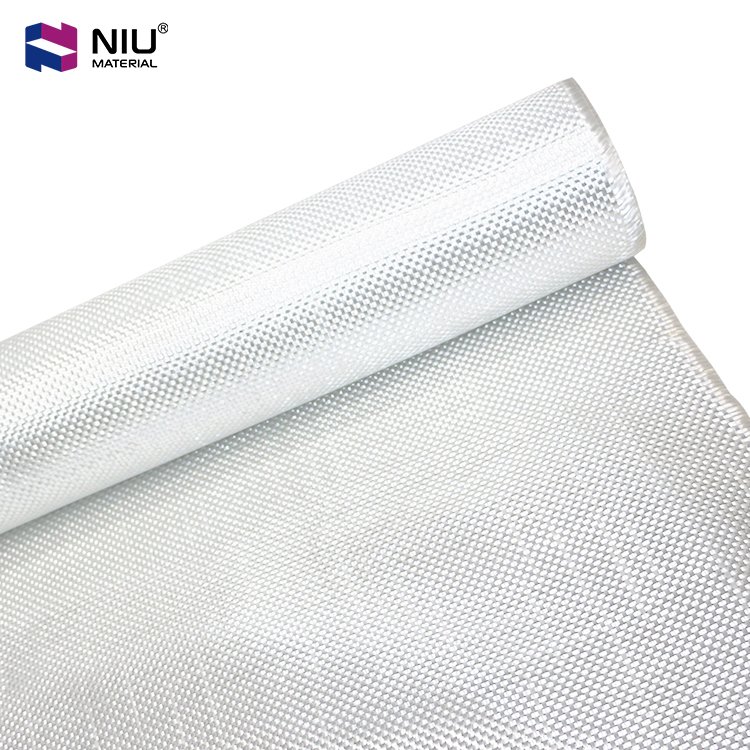
A composite part can look simple from the outside, but its performance is often decided layer by layer inside the laminate. That is where fiberglass woven roving becomes important. Made by interlacing continuous glass fiber rovings in the warp and weft directions, woven roving provides a structured reinforcement layer for composite manufacturing. Its 0°/90° construction gives manufacturers a practical way to build reinforcement into larger composite structures.
One Fabric, More Than One Market
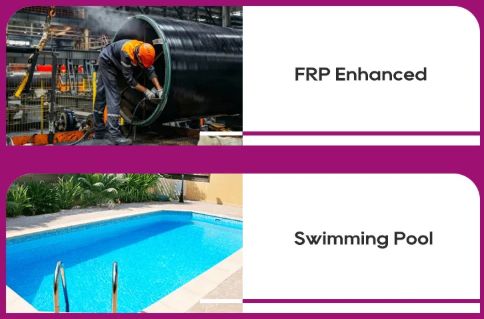
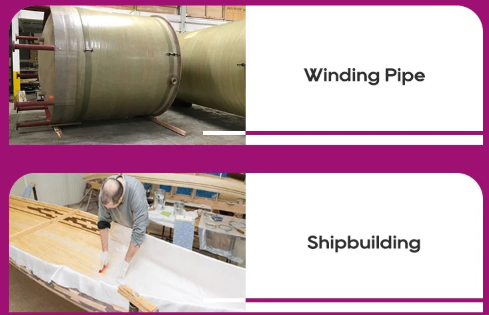
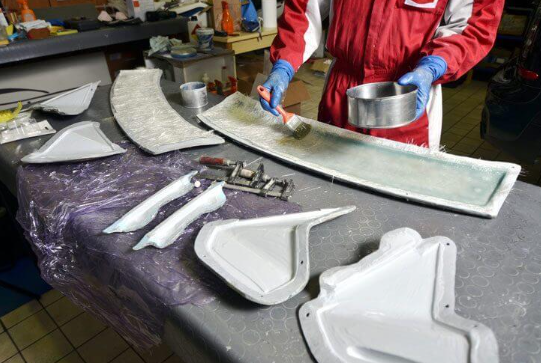
The value offiberglass woven roving is not limited to one finished product. It is used in composite manufacturing for applications such as tanks, piping and molded structures, with hand lay-up and compression molding among the processes listed for woven roving products.
For buyers, this versatility matters because one reinforcement material can potentially support different product lines when the fabric weight, resin compatibility and processing requirements are properly matched.
GRP Pipes Need More Than a Strong Surface
Inside a GRP pipe, reinforcement is part of the composite structure rather than simply an outer covering. fiberglass woven rovingcan be incorporated into laminate structures where manufacturers need a continuous woven reinforcement layer. Glass fiber reinforcement is widely used in pipe and tank composite systems, while different glass products are selected according to the forming process and performance requirements.
For pipe manufacturers, the practical question is therefore not simply “Is the fabric strong?” It is whether the selected fabric works smoothly with the resin system, laminate design and production process.
Cooling Towers Put the Laminate to Work
Cooling tower components often involve large composite surfaces and demanding operating environments. In these structures, fiberglass woven roving can serve as one reinforcement layer within a resin-based laminate, helping manufacturers build up the composite structure according to the required design.
The important point is that woven roving should not be selected in isolation. Resin type, layer sequence, total laminate thickness and the final operating environment all influence the finished composite.
Automotive Composites Demand a Different Balance
Automotive composite parts bring another set of requirements. Weight, shape, surface quality, processing efficiency and mechanical performance all need to work together. fiberglass woven rovingcan be part of the reinforcement strategy for composite components, but the final material system must be designed around the specific component and molding process.
Glass fiber reinforcement is already used across transportation and automotive composite systems, including structural and semi-structural components.
The Weave Matters More Than It Looks
At first glance, woven roving may simply look like a roll of square-patterned fabric. But the weave is part of its function.fiberglass woven roving is produced by interlacing continuous rovings in two principal directions, creating a stable fabric structure rather than a random fiber layer.
This makes the fabric structure itself an important purchasing consideration. Buyers should look beyond the fabric appearance and confirm weight, width, weave construction, resin compatibility and the requirements of their manufacturing process.
From 200 GSM to Heavy-Duty Reinforcement
Different composite products require different reinforcement strategies. fiberglass woven rovingcan be supplied in different fabric weights and widths so manufacturers can select a reinforcement level appropriate to their laminate design.
A lighter fabric may be useful when the production system requires easier handling or multiple reinforcement layers, while heavier fabrics can help build laminate thickness more efficiently. The actual selection should always be based on the final laminate structure rather than choosing a specification only by price.
When One Material Serves Multiple Product Lines
For composite manufacturers producing pipes, tanks, cooling tower components, panels or other molded products, purchasing efficiency matters. A properly selectedfiberglass woven roving can become a standardized reinforcement material across multiple product lines, provided that the resin systems and manufacturing requirements are compatible.
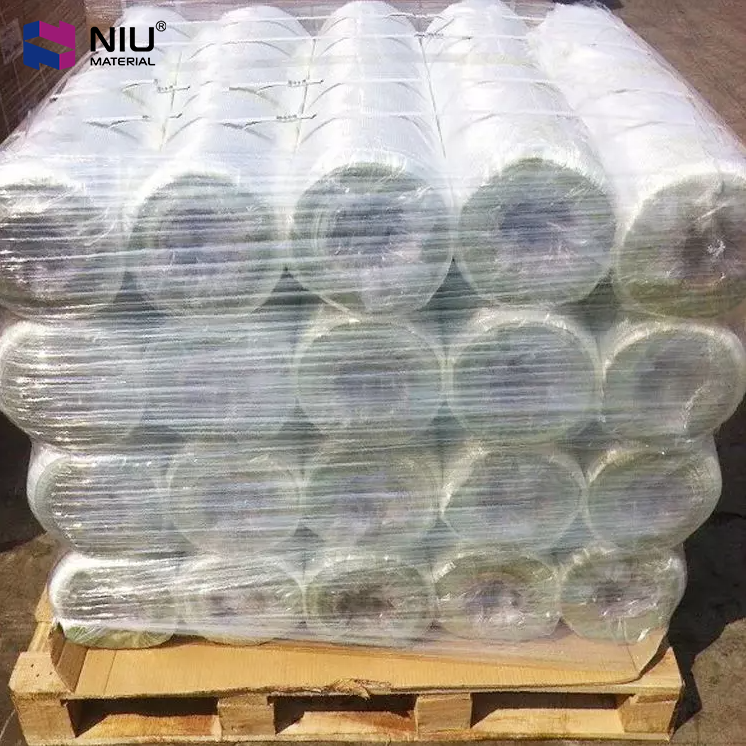
This is where a reliable supply relationship becomes valuable. Stable fabric construction, consistent weight, predictable roll packaging and clear product specifications can make routine purchasing easier.
In Conclusion
From GRP pipes and tanks to cooling tower components, panels and automotive composite parts, reinforcement requirements can change from one project to another.fiberglass woven roving gives composite manufacturers a structured glass-fiber fabric option for building laminate reinforcement, while the final specification should be selected around the resin, process and product design.
For buyers, the best starting point is a clear technical conversation: application, resin, process, GSM, width and quantity. Once these details are clear, choosing the right woven roving becomes much more straightforward.
Do you want to know the technical parameters and TDS of products?
You can leave the specifications and contact information you need~ Our technicians will immediately organize the exclusive information for you and send it to your email!
Interested in this specification?
You can leave your contact information here, and we will send you detailed specifications and application cases to make your purchase clearer~
Contact us via email
You can leave a message about the fiberglass and other composite materials you are interested in/looking for.
We will send you a clear quotation (including product price + shipping cost) within 12 hours.
How can we help you?
You can leave a message about the fiberglass materials you are interested in/looking for.
We will send you a clear quotation (including product price + shipping cost) within 12 hours.