Carbon Fiber Cloth: Choose the Right Reinforcement for Your Composite Project
Table of Contents
Add a header to begin generating the table of contents
Introduce
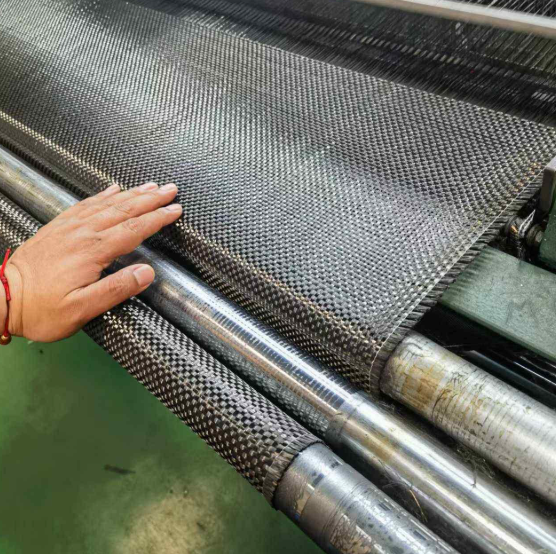
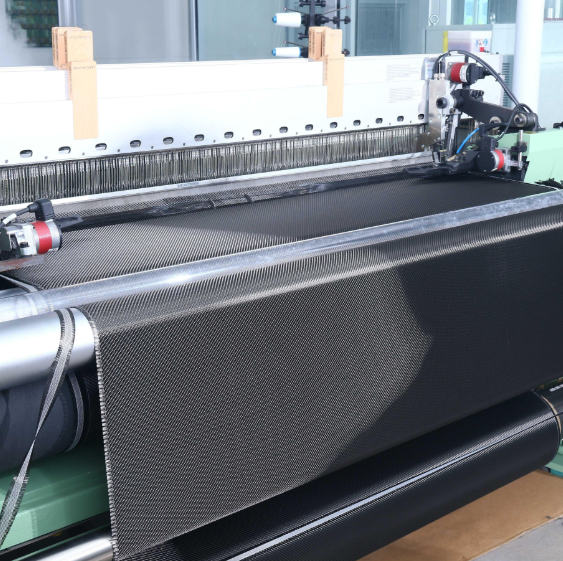
For composite manufacturers, the final part often gets all the attention—but the real performance decision is made much earlier. Choosingcarbon fiber cloth as the reinforcement can change how a composite structure balances weight, stiffness, strength, and design flexibility. Instead of treating reinforcement as a simple fabric layer, manufacturers increasingly evaluate it according to the final application, resin system, production process, and required structural performance.
When Weight Becomes the Problem
When a structure needs to become lighter without simply removing material, reinforcement becomes a critical part of the solution. Carbon-fiber-reinforced polymer composites are widely studied and used where high specific strength and stiffness are important, including aerospace, automotive, marine, rail, wind energy, and other demanding applications.
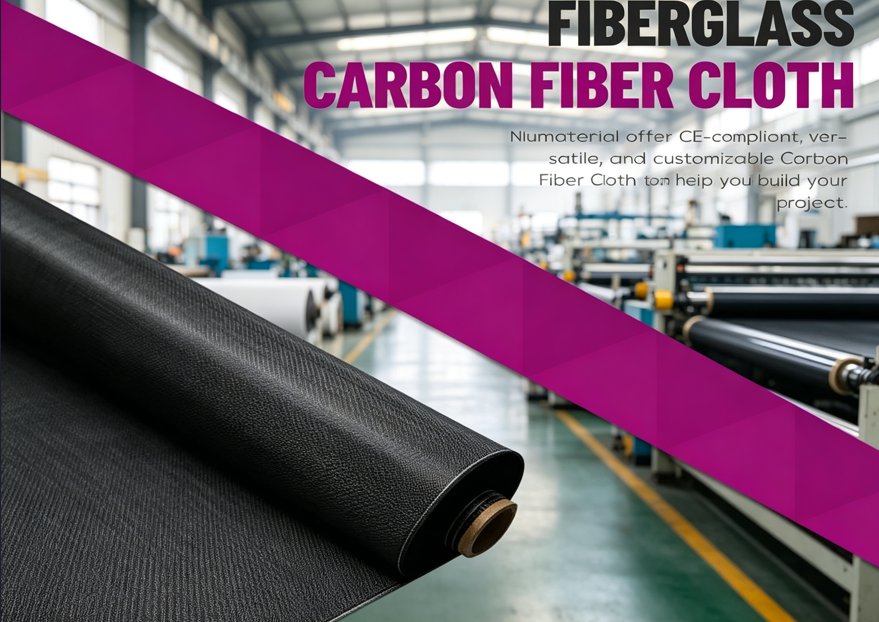
In these systems,carbon fiber cloth provides the continuous fiber architecture that can carry load after being impregnated with a compatible resin.
Automotive Parts Need More Than Appearance
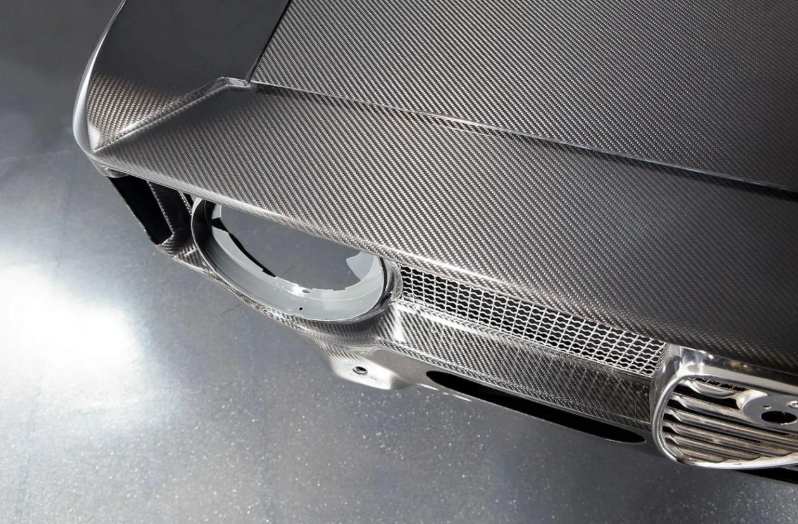
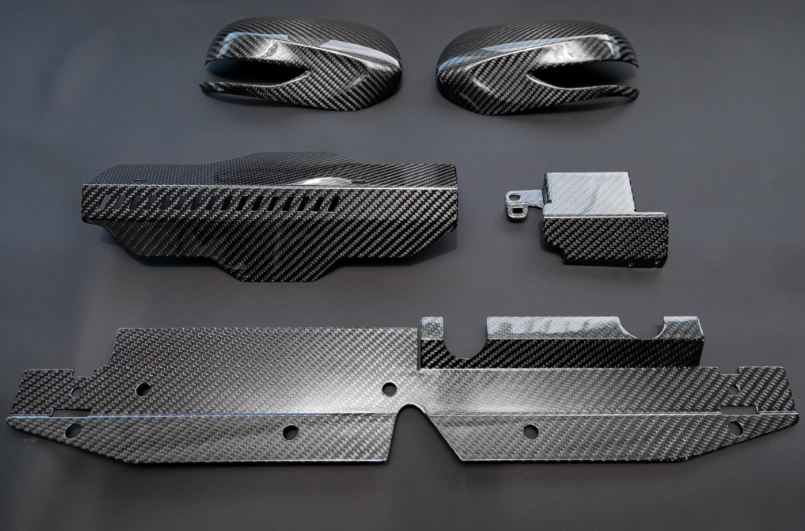
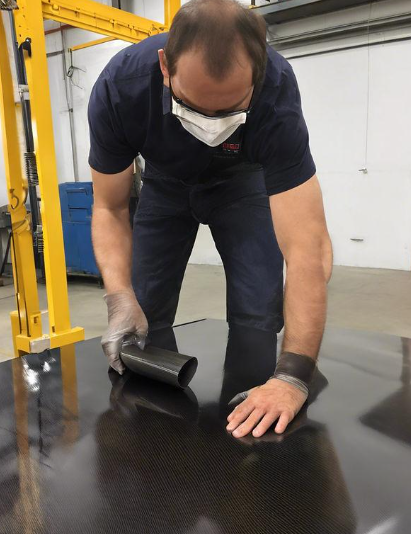
The familiar black woven pattern is visually distinctive, but appearance is only one reason manufacturers use carbon fiber cloth. Carbon-fiber composites are used in automotive and motorsport components where reducing mass and maintaining stiffness are important, including body panels, structural components, hoods, spoilers, and interior parts.
The actual fabric construction and resin system should be selected according to the component geometry and manufacturing process.
Marine Projects Push Material Selection Further
Marine structures face a different combination of requirements. Weight matters, but the reinforcement must also work within the selected resin and laminate design.
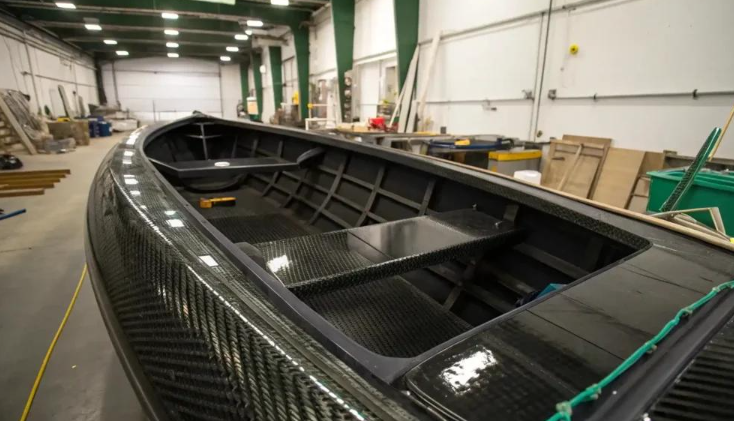
Carbon fiber cloth is used in marine composite structures such as hulls, decks, masts, and other lightweight components, while repair applications may require additional consideration of moisture, temperature changes, and protective coatings.
Wind Energy Changes the Scale
As composite structures become larger, material efficiency becomes increasingly important. Carbon-fiber composites have been investigated and adopted in wind-energy applications, particularly where their higher specific modulus can support longer and more slender blade designs.
For these projects,carbon fiber cloth is only one part of a larger material system that also includes resin, laminate architecture, manufacturing equipment, and quality control.
The Weave Changes the Way Fabric Works
Not every composite structure needs the same fabric architecture. Plain weave, twill, satin, and other constructions can provide different handling, drape, and resin impregnation characteristics.
This is why choosingcarbon fiber cloth should involve more than simply asking for “carbon fiber fabric.” Tow size, weave, areal weight, width, and the intended resin system can all affect the final manufacturing process.
Toray, for example, describes carbon fabrics as sheet-form textile reinforcements designed for resin impregnation and lists multiple application areas.
The Resin Is Part of the Decision
A fabric does not create a finished composite by itself. During manufacturing, the reinforcement must be properly combined with a suitable resin system so that the resin wets the fibers and transfers loads through the composite structure.
For epoxy-based lay-up and infusion processes, carbon fiber cloth is commonly used as a dry reinforcement before resin impregnation. The final laminate performance therefore depends on the interaction between fiber, fabric architecture, resin, fiber volume, and curing process.
Repair Is Another Growing Opportunity
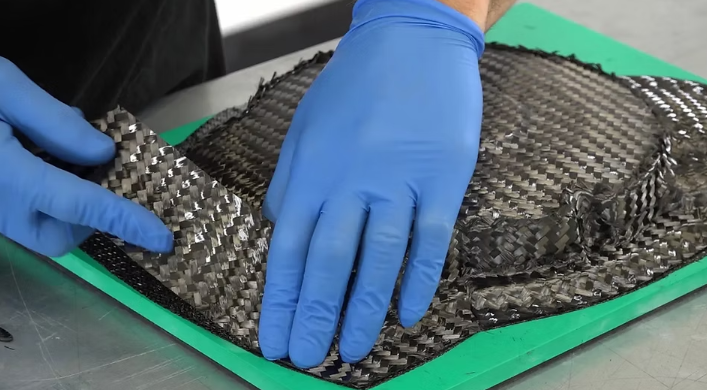
Composite repair requires a different way of looking at reinforcement. Instead of manufacturing a new component, technicians may need to restore damaged areas while controlling the repaired structure’s geometry and service requirements.
Carbon-fiber reinforcement is used in repair practices across industries including marine, wind, automotive, and aerospace, although repair procedures vary significantly by application. carbon fiber cloth can therefore become part of a carefully designed repair laminate rather than simply a replacement layer.
Sports Products Demand a Different Balance
The sports market often combines performance requirements with strict limits on weight and product design.
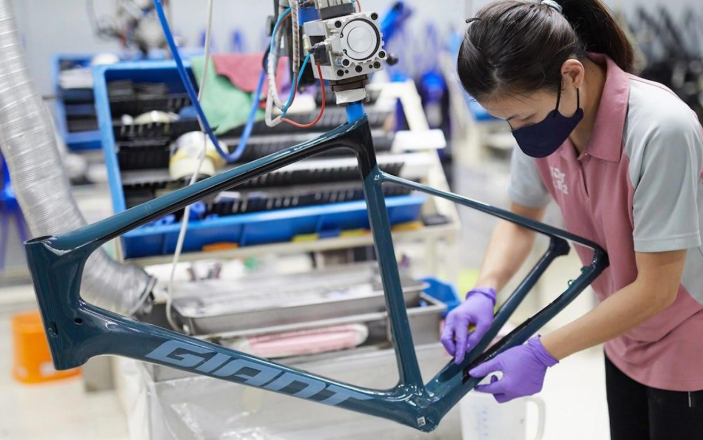
Bicycle frames, tennis rackets, paddles, helmets, and other sporting products can use carbon-fiber-reinforced composites. For these products, carbon fiber cloth may be selected according to the desired stiffness, shape, surface finish, and molding process rather than simply choosing the highest-strength material available.
One Fabric Cannot Serve Every Project
A bicycle frame, a marine hull, a structural repair project, and an automotive panel do not necessarily need the same reinforcement specification.
The right carbon fiber cloth depends on the required mechanical direction, geometry, laminate design, resin system, and production method. A supplier that can discuss these variables with the buyer can help turn a generic material inquiry into a more practical specification.
The Right Specification Creates the Difference
The strongest composite solution is not necessarily the one with the most complicated specification.
It is the one that fits the manufacturing process and the final part. From automotive panels and marine structures to wind-energy components, sporting goods, aerospace components, and structural strengthening, carbon fiber cloth continues to serve as a flexible reinforcement option when lightweight composite design is required.
In Conclusion
Choosing reinforcement is not simply about finding a stronger fabric.
It is about finding the right combination of fiber, weave, weight, resin, process, and application. For manufacturers looking to reduce weight while maintaining the required structural performance,carbon fiber clothoffers a versatile route into advanced composite manufacturing—provided that the fabric specification is matched carefully to the project.
Do you want to know the technical parameters and TDS of products?
You can leave the specifications and contact information you need~ Our technicians will immediately organize the exclusive information for you and send it to your email!
Interested in this specification?
You can leave your contact information here, and we will send you detailed specifications and application cases to make your purchase clearer~
Contact us via email
You can leave a message about the fiberglass and other composite materials you are interested in/looking for.
We will send you a clear quotation (including product price + shipping cost) within 12 hours.
How can we help you?
You can leave a message about the fiberglass materials you are interested in/looking for.
We will send you a clear quotation (including product price + shipping cost) within 12 hours.