How to Source High-Performance Fiberglass Roving & Cut Composite Production Defects for Global Industrial Buyers
Table of Contents
Add a header to begin generating the table of contents
Introduce
In the global composite manufacturing landscape, plant managers and bulk procurement teams typically prioritize finished part design, resin formulas and mold precision. Yet seasoned raw material specialists agree: the structural integrity and long-term durability of your end product rests entirely on its core reinforcing base — fiberglass roving.
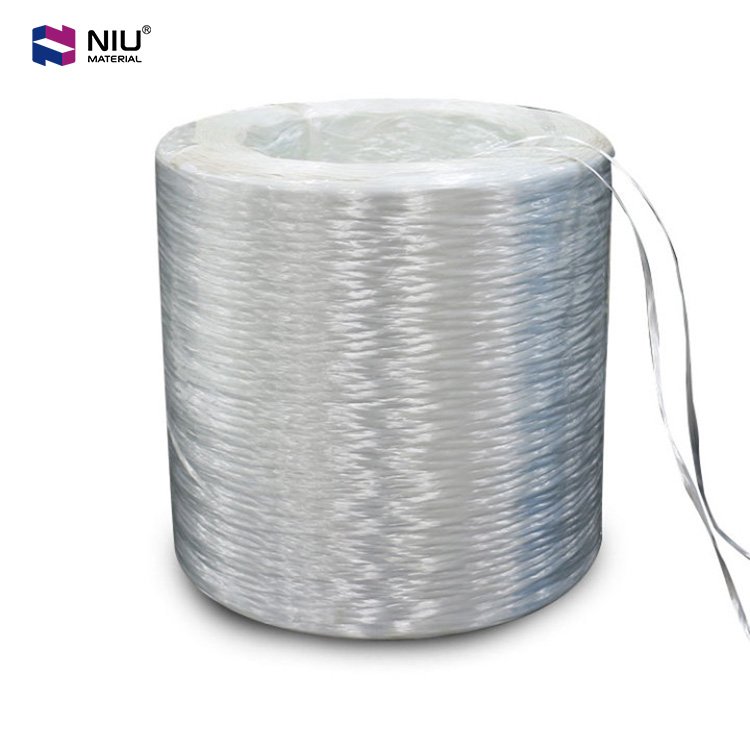
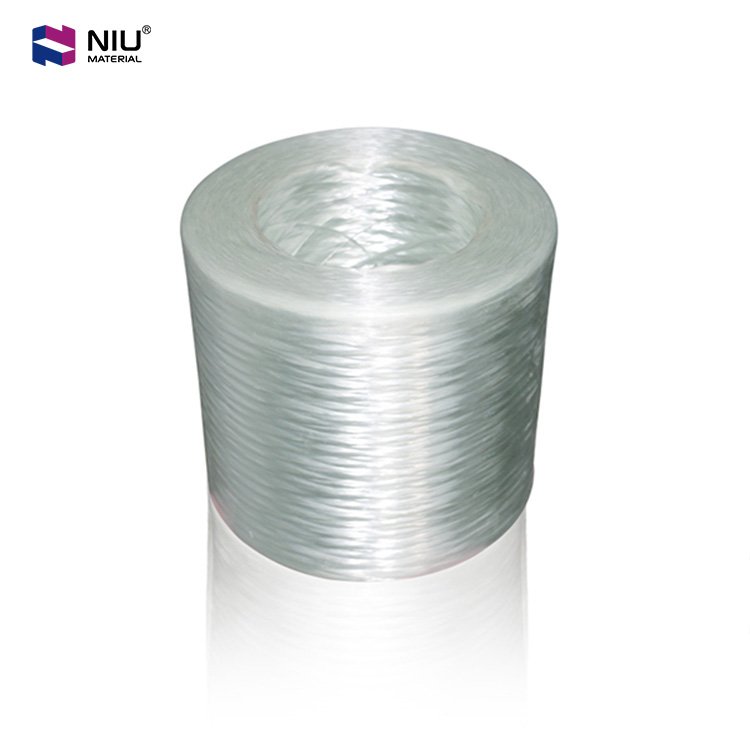
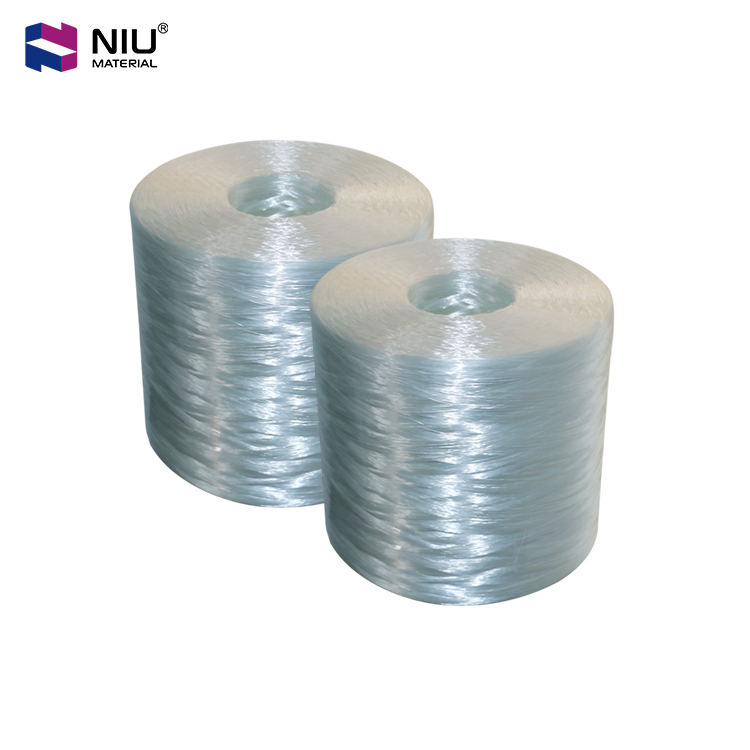
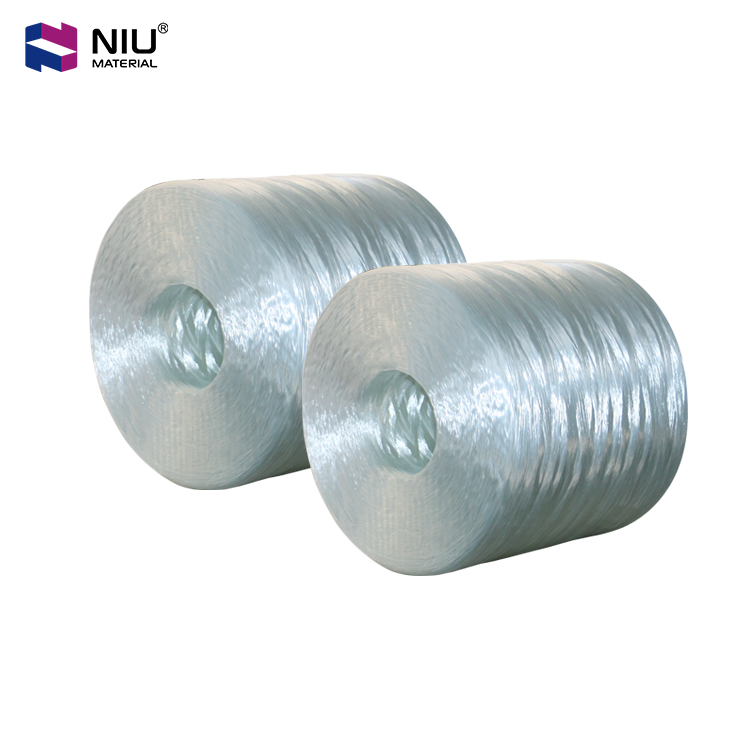
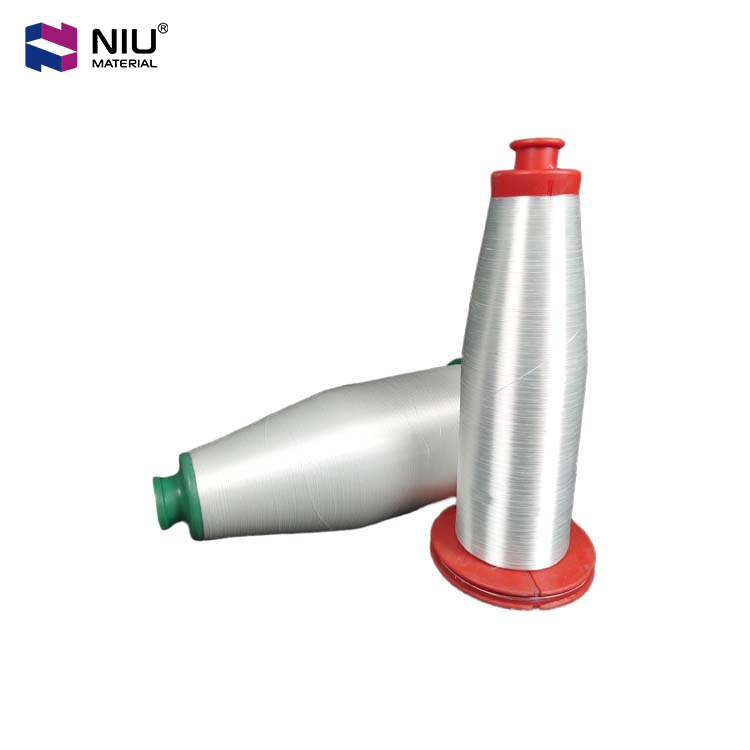
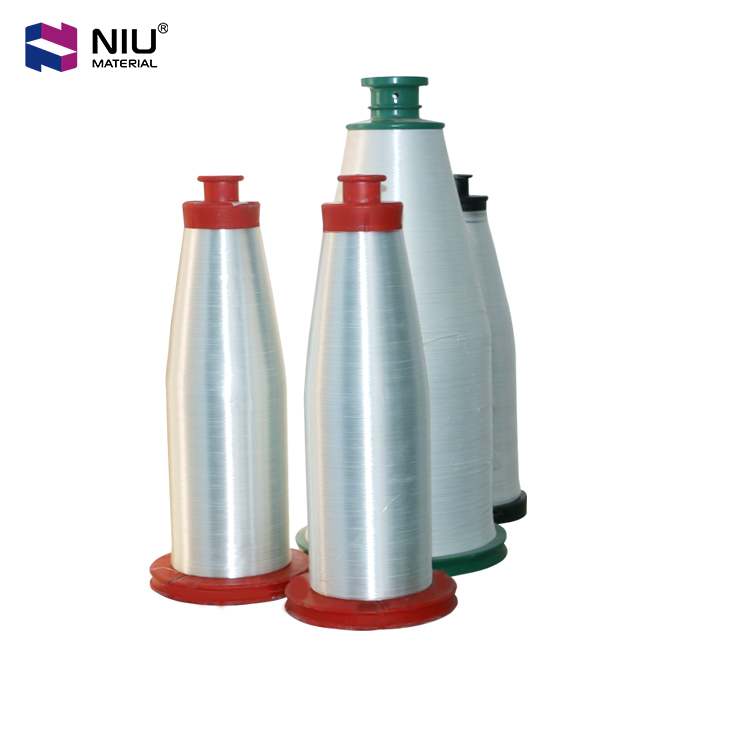
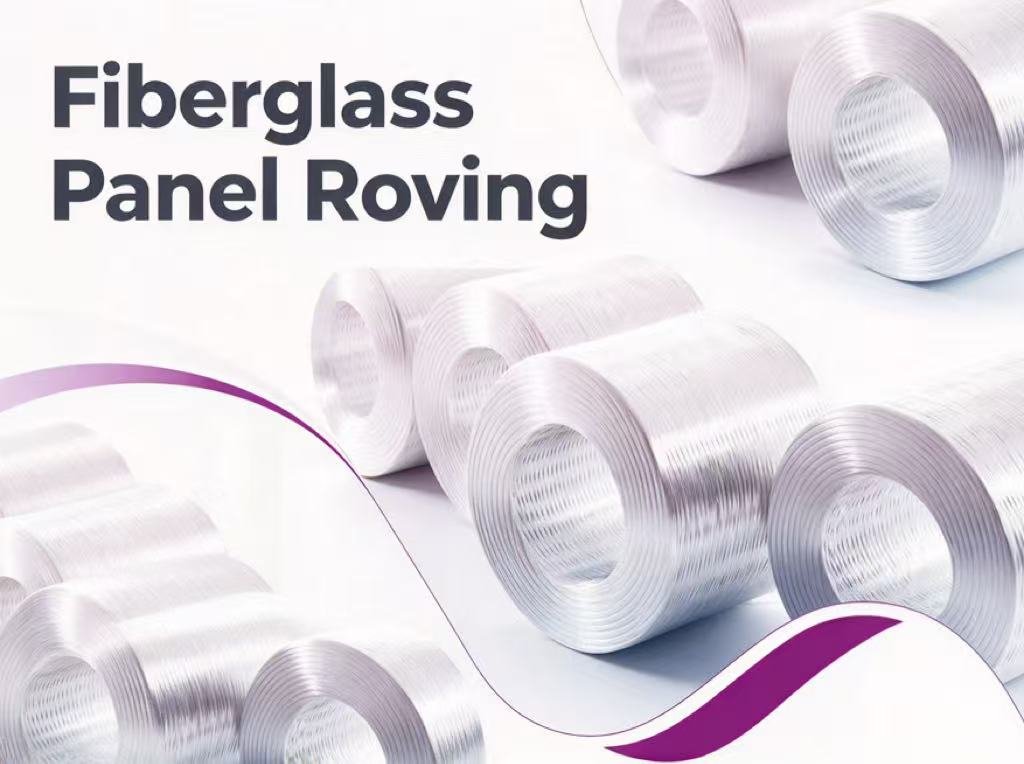
A qualified bulk batch offiberglass roving delivers consistent tensile strength, uniform resin impregnation, stable dimensional performance and low processing waste for pultrusion, filament winding and compression molding lines. Mismatched roving grades or poorly formulated sizing agents trigger batch delamination, uneven part thickness and hidden long-term structural failure. This actionable sourcing playbook breaks down how to select matchedfiberglass roving variants, verify factory quality control standards and lock in reliable bulk supply for cross-border B2B importers.
Core Grades of Industrial Fiberglass Roving & Their Unique Pros & Cons
Material grade selection is your most critical sourcing decision — there is no universal one-size-fits-all fiberglass roving for all manufacturing lines. Match roving composition and sizing type to your production process and operating environment first.
Pros: Extremely low filament breakage rate, uniform tension across the full spool, minimal fuzz generation, perfect for non-stop pultrusion and winding.
Cons: Narrower tex range compared to assembled roving, higher requirement for creel alignment.
Pros: Superior resistance to dilute acids and chemical solvent erosion, stable filament structure in long-term underground or chemical lining applications.
Cons: Lower tensile modulus than E-grade, higher unit cost for mass orders.
Best for: Chemical storage tank lining, wastewater treatment pipes, anti-corrosion grating production.
5 Non-Negotiable Sourcing Criteria for Bulk Fiberglass Roving Orders
Sourcing qualified fiberglass roving requires multi-dimensional cross-verification before confirming ton-level wholesale contracts. These five metrics eliminate batch failure risks entirely.
Sizing Compatibility & Resin Wet-Out Test
Mandatory 72-hour immersion test with your production resin system. Measure roving weight change, impregnation speed and interlaminar shear strength. Reputable suppliers provide third-party lab reports for each batch of fiberglass roving to prove sizing compatibility. Skipping this step risks full-batch composite delamination and customer returns.
Tex Count Uniformity & Spool Length Calibration
Tex value defines roving thickness and reinforcement coverage. 1200–2400tex fiberglass roving suits standard pultrusion profiles; 4800–9600tex roving fits heavy pipe winding. Excessive tex variation causes uneven resin saturation and inconsistent part wall thickness, leading to structural weak points and material waste.
Filament Diameter & Fuzz Index Control
Standard industrial fiberglass roving uses 11–17μm single filaments. Excess fine filaments and high fuzz cause chopper blockages and surface defects on finished parts. Professional manufacturers control fuzz index below 10mg/1000m for pultrusion-grade roving.
Global Regulatory Compliance Certifications
For EU, US and Australian shipments, your fiberglass roving must meet RoHS, REACH and relevant fire-safety standards. For food-contact composite applications, food-grade sizing certification is mandatory. Confirm full material traceability and test certificates before deposit payment.
Customized Fiberglass Roving Matching Guide by End Industry Application
Wind Power & New Energy Manufacturers
Prioritize high-modulus direct-wound fiberglass rovingfor blade spar caps and structural components. For blade shell infusion processes, compatible sized E-glass fiberglass roving delivers balanced strength and cost efficiency.
Chemical Pipe & Storage Tank Producers
Standardize bulk procurement ofC-glass fiberglass roving. Its acid-resistant glass composition prevents long-term filament degradation in corrosive fluid transport and storage systems.
Pultrusion Profile Factories
High-volume continuous production relies on direct-wound fiberglass roving with tight tex tolerance. Its low breakage rate and consistent tension maximize line speed and reduce scrap for window profiles, cable trays and structural shapes.
Automotive & Aerospace Composite Suppliers
High-load structural components require S-glass fiberglass rovingfor maximum tensile reinforcement, reducing part weight while extending fatigue life by over 25% compared to standard E-glass.
Construction & Sanitaryware FRP Workshops
Cost-effective mass production uses general-purpose spray-up fiberglass roving, perfect for decorative panels, bathtub molding and wall reinforcing grid manufacturing.
Factory QC Perspective: Hidden Defects in Low-Quality Fiberglass Roving
When you order tons of uncertified cheap fiberglass roving, hidden manufacturing flaws emerge only after mass processing:
Uneven sizing coating leads to partial resin rejection and interlayer delamination;
Uncontrolled filament tension causes frequent breakage on high-speed lines;
Impurities in molten glass create brittle weak filaments that snap under load;
Poorly wound spools cause tangling, yarn waste and unplanned production halts.
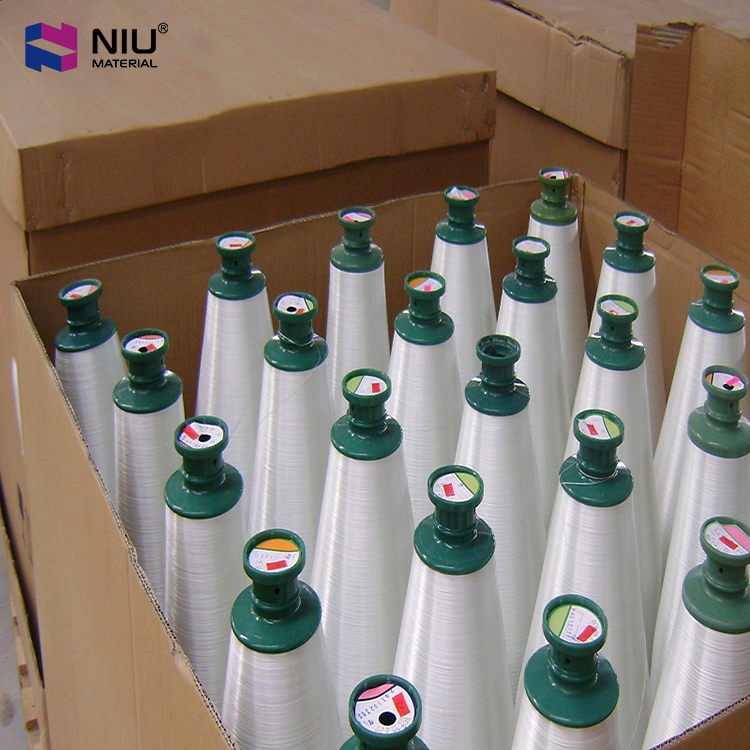
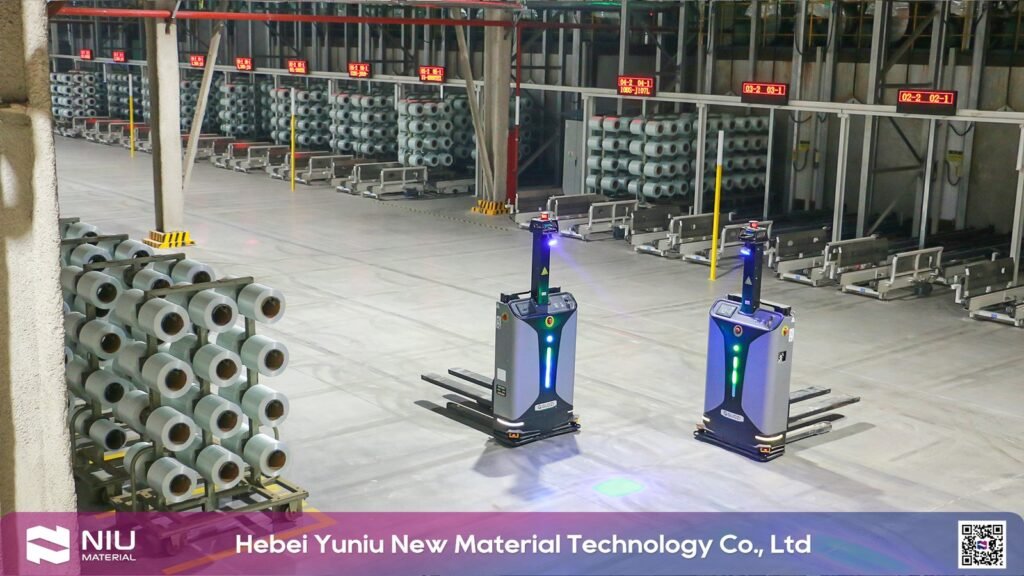
Our integrated fiberglass factory operates 14 automated drawing and winding production lines, with full-process QC from glass melting to finished spool packaging. Every pallet of fiberglass roving passes tensile, impregnation and dimensional testing before warehouse delivery. We deliver a complete fiberglass raw material ecosystem, not just standalone loose spools.
Why Partnering With a Professional Integrated Fiberglass Manufacturer Cuts Your Supply Risks
One-Stop Raw Material Matching Solution
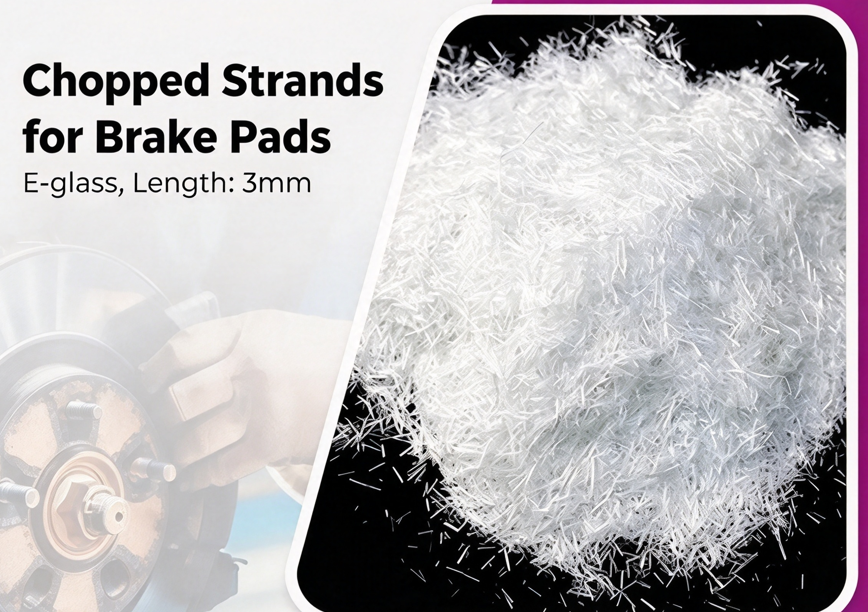
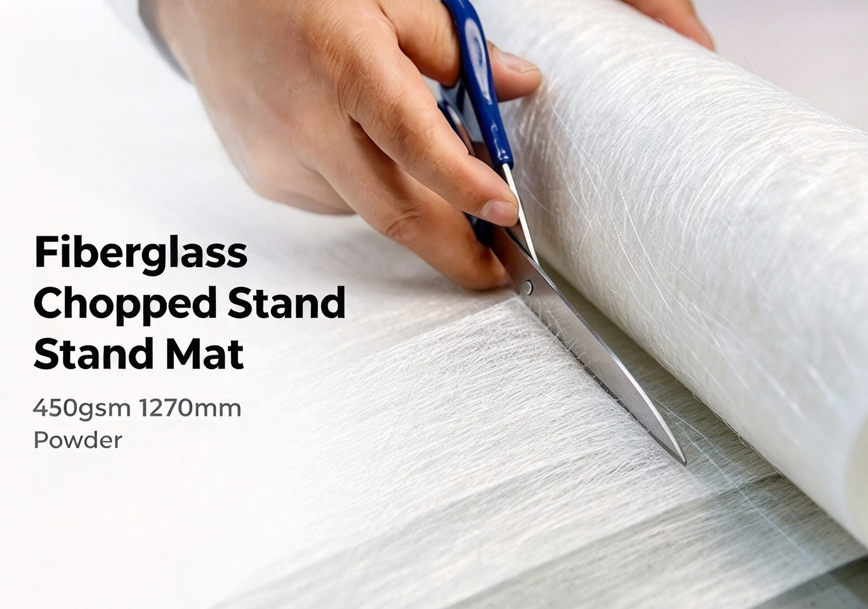
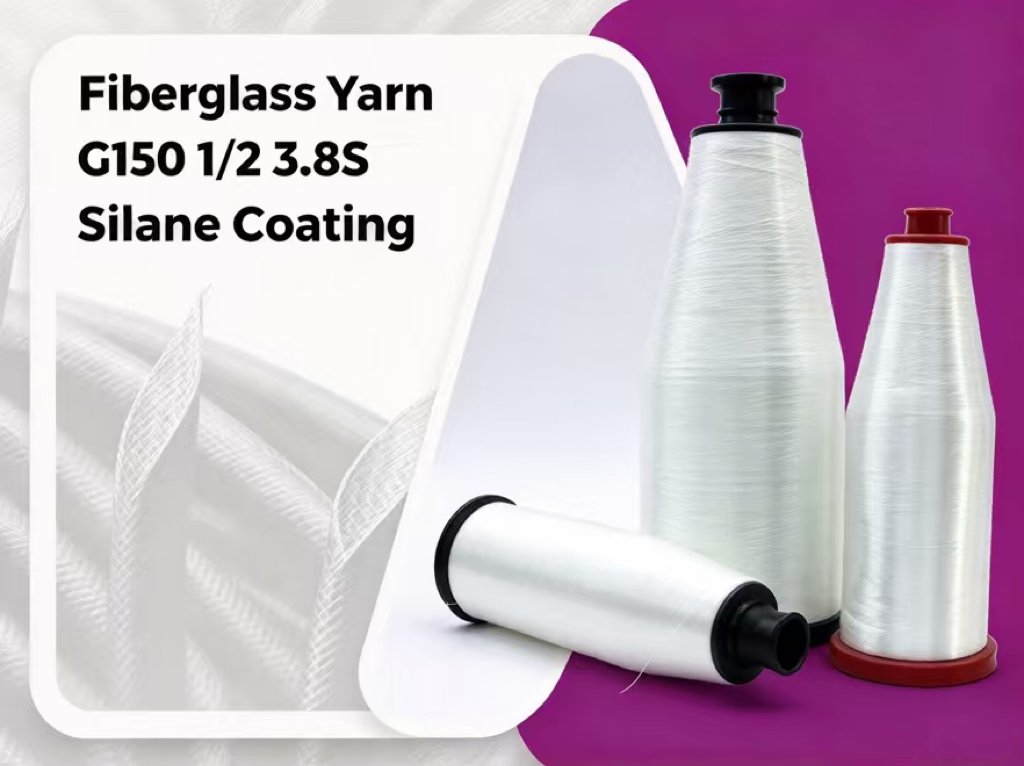
Sourcing fiberglass roving, chopped strands and woven fabrics from separate small factories creates mismatches between roving sizing, resin compatibility and process parameters. An integrated supplier calibrates all supporting fiberglass materials to match your production line, eliminating processing failure risks.
Global Market Customization Capacity
We tailorfiberglass rovingformulations for regional market demands: low-halogen sizing for EU electrical clients, high-corrosion resistance coating for Southeast Asian chemical manufacturers, high-strength S-grade roving for North American aerospace factories. Custom tex counts, spool packaging and private labeling are fully supported.
Stable Bulk Supply Chain for Large-Scale Orders
The global fiberglass composite material market is projected to exceed $152 billion by 2030. Factories with in-house melting and drawing lines guarantee fixed lead times and stable pricing, unlike middlemen who face frequent stock shortages and price volatility.
Conclusion
Choosing the right bulk fiberglass roving requires a combination of materials science, manufacturing process logic, and a long-term brand cost strategy. From affordable E-grade fiberglass roving (for building reinforcement) to high-performance S-grade fiberglass roving (for new energy components), your chosen roving grade ensures finished product quality and secures repeat orders from customers.
As you expand your cross-border manufacturing and sales in Europe, North America, and Southeast Asia, remember that the stability of your raw materials is the cornerstone of your product’s core competitiveness. Partnering with a fiberglass manufacturer with a complete supply chain provides access to decades of experience in bulk roving sourcing, comprehensive customization support, and guaranteed on-time bulk shipments. Don’t underestimate the importance of this fundamental raw material—fiberglass roving—start with every spool of fiber to create exceptional products.
Do you want to know the technical parameters and TDS of products?
You can leave the specifications and contact information you need~ Our technicians will immediately organize the exclusive information for you and send it to your email!
Interested in this specification?
You can leave your contact information here, and we will send you detailed specifications and application cases to make your purchase clearer~
Contact us via email
You can leave a message about the fiberglass and other composite materials you are interested in/looking for.
We will send you a clear quotation (including product price + shipping cost) within 12 hours.
How can we help you?
You can leave a message about the fiberglass materials you are interested in/looking for.
We will send you a clear quotation (including product price + shipping cost) within 12 hours.