Secure Reliable Fiberglass Fine Yarn Supply For Your Insulation Production
Table of Contents
Add a header to begin generating the table of contents
Introduce
Brazil’s booming electrical infrastructure and home appliance markets have driven surging demand for fiberglass electrical insulation tubing. However, local manufacturers have long struggled with frequent yarn breakage and unstable insulation performance when using domesticfiberglass fine yarn, leading to inflated production costs and compliance risks.
Before partnering with us, the Brazilian manufacturer faced three persistent pain points rooted in low-quality domestic fiberglass fine yarn, which severely restricted production efficiency and product compliance.
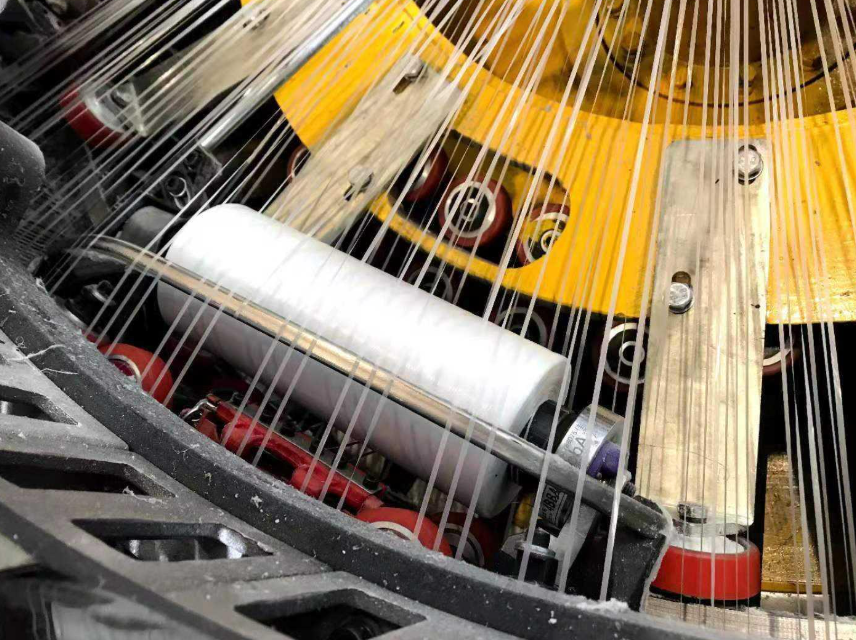
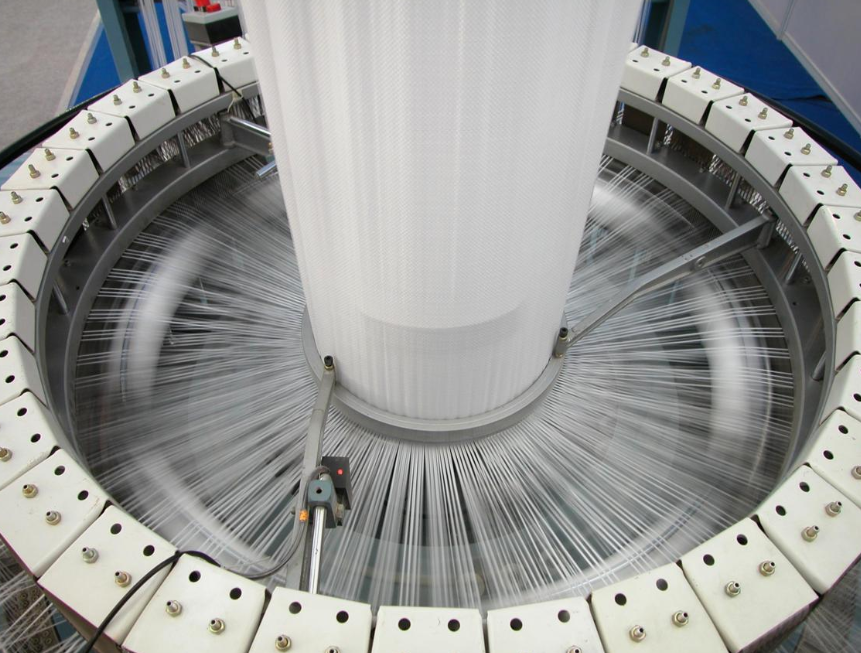
Frequent yarn breakage and low production efficiency: Domestic fine yarn had inconsistent tensile strength and high hairiness, causing frequent breakage during high-speed circular weaving. Each break required machine shutdown for re-threading, dragging down overall production efficiency by nearly 30% and increasing labor and material waste.
Unstable insulation performance and compliance risks: Domestic yarn had uneven coating and high moisture content, leading to inconsistent dielectric strength of finished insulation tubing. This created risks of failing local electrical safety standards, resulting in high rejection rates and potential market access barriers.
Distrust of imported product adaptability: After repeated failures with domestic suppliers, the client was cautious about imported fine yarn. They worried about mismatched yarn specifications, poor adaptability to existing weaving equipment and processes, and high trial-and-error costs.
Our Targeted Solutions With Precision-Engineered Fiberglass Fine Yarn
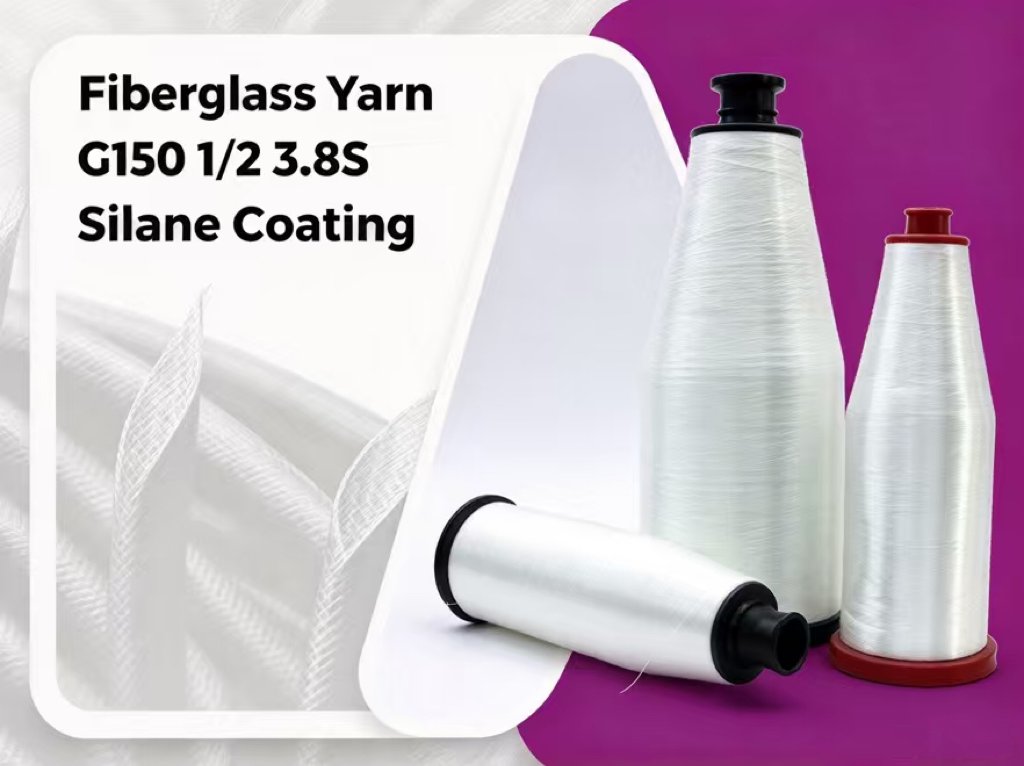
Centered on our G75 and G150fiberglass fine yarn with silane + starch dual coating, we delivered three targeted solutions to address each pain point at the source, based on reverse sampling and process matching of the client’s production line.
Process-Matched Specifications to Eliminate Frequent Yarn Breakage
To solve the core problem of yarn breakage, we conducted reverse sampling and testing based on the client’s high-speed circular weaving process, and locked in the optimal specification parameters.
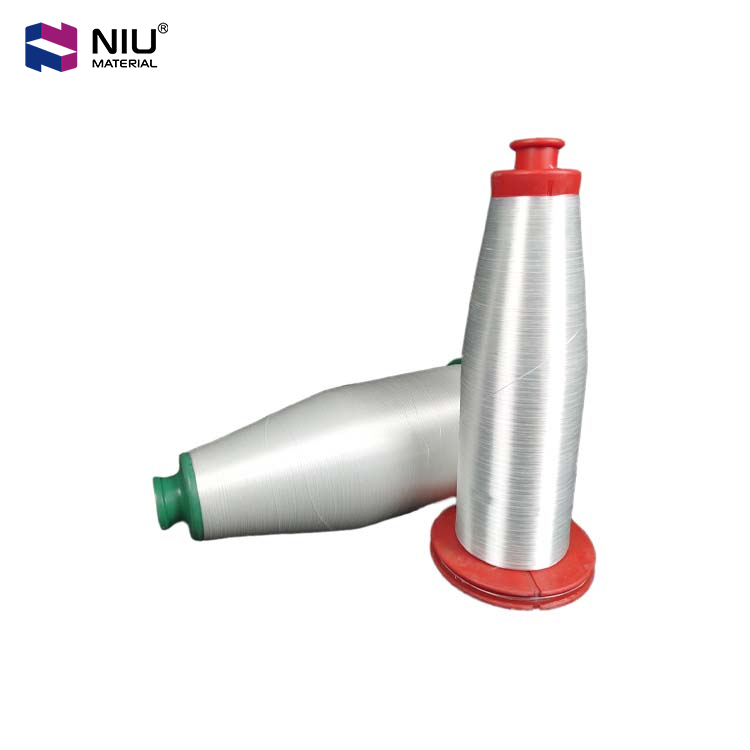
Our G75 fine yarn (TEX138) and G150 fine yarn (TEX66) are engineered with precise twist settings (147.7 twists for G75, 146.6 twists for G150), high uniform tensile strength (67.4N for G75, 67.3N for G150) and precisely controlled oil content (0.97% for G75, 0.85% for G150). The optimized twist matches the tension of local weaving equipment, while high and consistent tensile strength resists breakage during high-speed operation.
The controlled oil content and smooth yarn surface reduce friction with machine parts, further cutting breakage frequency and extending equipment service life.
Dual Coating Formula & Strict Moisture Control for Stable Insulation Performance
Targeted at insulation stability issues, our fiberglass fine yarn adopts a silane + starch dual coating system with strict moisture control. The silane primer improves fiber-resin bonding and enhances overall dielectric stability, while the starch top coating ensures smooth yarn passage through weaving machines.
We enforce strict moisture control (0.05% for G75, 0.04% for G150), far lower than domestic products, eliminating insulation fluctuations caused by high moisture content. This ensures that the finished insulation tubing maintains stable dielectric strength, fully meets local electrical safety standards, and reduces product rejection rates.
Verified Data & Case Backing to Reduce Trial Risks
To address the client’s distrust of imported products, we provided full sets of test data and verified industry cases to eliminate their concerns. We shared detailed parameter test reports including linear density, twist, tensile strength, moisture content and insulation performance, and provided sample yarns for on-machine trials.
We also introduced successful application cases of the same specifications in other South American electrical insulation manufacturers, proving the product’s adaptability to local processes. This greatly reduced the client’s trial cost and risk, and accelerated the confirmation and landing of cooperation.
Verified Production & Quality Outcomes
After three months of on-machine verification and mass production, our G75 and G150 fiberglass fine yarn fully met the client’s production and performance requirements, and we became their designated long-term supplier. Key improvements include:
Yarn breakage frequency during high-speed weaving dropped by over 85%, and overall production efficiency increased significantly.
The dielectric stability of finished insulation tubing was greatly improved, the rejection rate was reduced sharply, and products fully complied with local electrical safety standards.
The client established solid trust in our product quality, and the two sides reached a long-term stable procurement cooperation agreement.
Besides electrical insulation tubing, our G75 and G150fiberglass fine yarnare suitable for a wide range of electrical insulation and textile reinforcement scenarios.
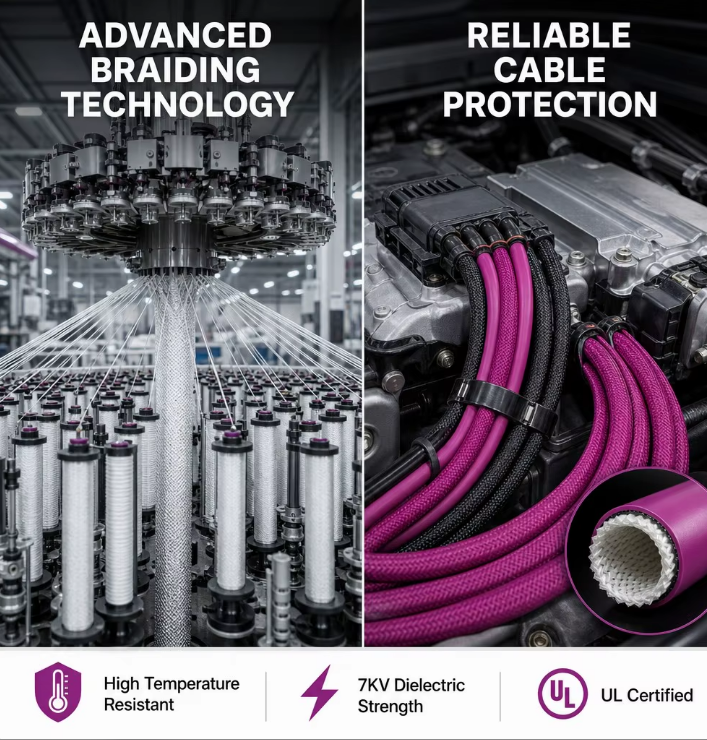
They can be used for manufacturing insulating cloths, motor windings, cable cores, electrical appliance insulating parts, fireproof fabrics and more. They adapt to various processes such as circular weaving, warp knitting and braiding.
As a professional manufacturer, we can also customize fine yarn products with different specifications, coatings and twists according to different process and performance requirements.
Why Choose Us As Your Fiberglass Fine Yarn Manufacturer
As a professional fiberglass fine yarnmanufacturer focusing on the South American market, we stand out with three core competitive advantages:
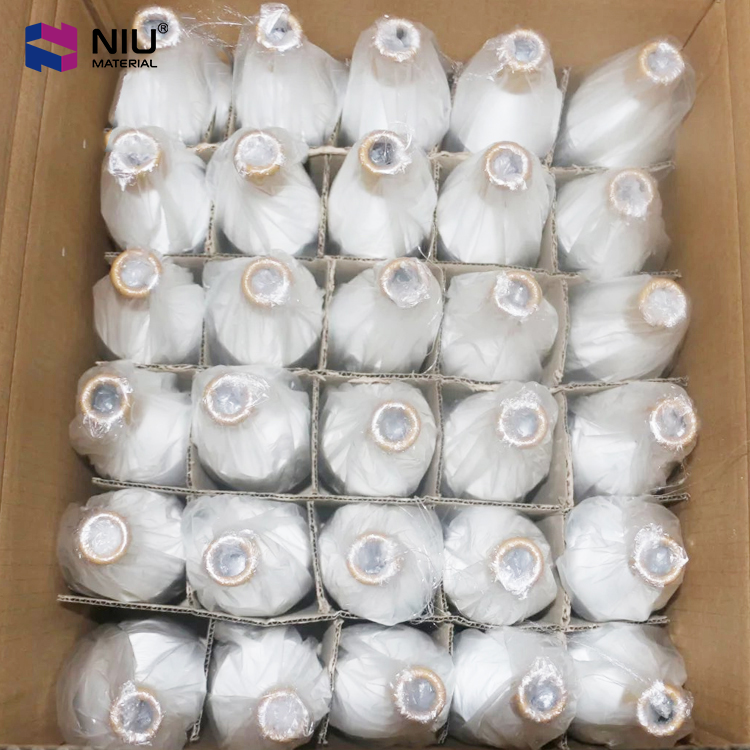
Strict and stable quality control: Full-process quality management from glass melting to finished yarn ensures every bobbin of fine yarn meets consistent performance standards, with official test reports provided for each batch.
Customized R&D capability: Our professional R&D team can conduct reverse matching according to your process and product requirements, and customize parameters such as linear density, twist, coating and moisture content.
In Conclusion
Our G75 & G150 silane-starch coated fiberglass fine yarnis a proven high-performance solution for electrical insulation tubing production, solving core pain points including frequent breakage, unstable insulation performance and high trial costs.
If you are an electrical insulation manufacturer or fiberglass textile trader in Brazil or South America looking for a reliable fine yarn supplier, welcome to contact us today to request samples, obtain detailed technical datasheets or get a customized bulk quote.
Do you want to know the technical parameters and TDS of products?
You can leave the specifications and contact information you need~ Our technicians will immediately organize the exclusive information for you and send it to your email!
Interested in this specification?
You can leave your contact information here, and we will send you detailed specifications and application cases to make your purchase clearer~
Contact us via email
You can leave a message about the fiberglass and other composite materials you are interested in/looking for.
We will send you a clear quotation (including product price + shipping cost) within 12 hours.
How can we help you?
You can leave a message about the fiberglass materials you are interested in/looking for.
We will send you a clear quotation (including product price + shipping cost) within 12 hours.