
- fiberglassnicole@gmail.com
- +86-13933702587
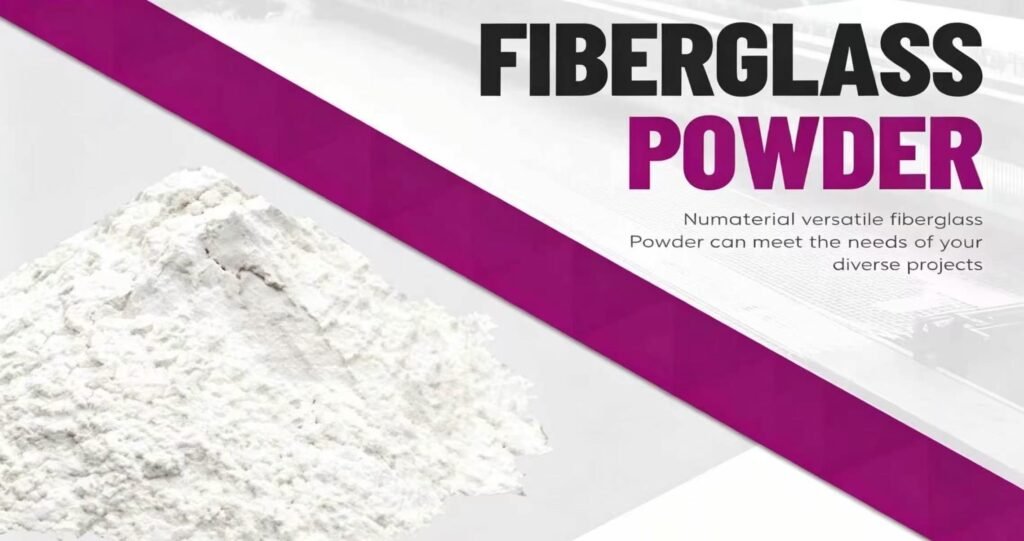
If you’ve struggled with poor dimensional stability, low impact strength, or inadequate wear resistance in your modified plastic, coating, or friction material products, you’re far from alone. Many formulation engineers adjust resin ratios or add expensive additives, yet overlook the most cost-effective way to upgrade overall performance: choosing the right reinforcing filler.
Fiberglass powder, made from high-quality glass fibers through precision grinding and classification processes, is a high-performance inorganic filler that balances reinforcement, dimensional stability and cost efficiency. Unlike ordinary mineral fillers that only increase volume, micron-sized glass fiber powder delivers measurable improvements in rigidity, heat resistance, wear resistance and dimensional stability for end products, making it a staple in advanced material formulations.
From automotive modified plastics to electronic insulation components, from industrial coating formulations to friction material production, upgrading to application-specific ultrafine fiberglass powder helps brands reduce material costs, improve product performance and gain a stronger competitive edge in the market. This guide walks you through grade differences, application scenarios and sourcing tips to help you unlock the full potential of this versatile filler.
High-purity fiberglass micro-powder inherits the excellent mechanical and physical properties of glass fiber itself. It has high rigidity, good heat resistance, stable chemical properties, and excellent electrical insulation. When added to resin systems, it not only acts as a filler to reduce costs, but also significantly improves the comprehensive performance of the material.
Compared with mineral fillers, fiberglass powder has a lower density. Under the same weight addition ratio, it can achieve a larger volume filling effect, and the product has lighter weight while maintaining strength. Its needle-like and rod-like particle structure also provides better reinforcement effect, which can effectively improve the shrinkage rate and dimensional stability of the product, and reduce the deformation rate of finished parts.
In addition, high-quality fiberglass powder can be surface-modified according to different resin systems to improve compatibility with the matrix resin, avoid the problem of poor material dispersion, and make the product performance more uniform and stable.
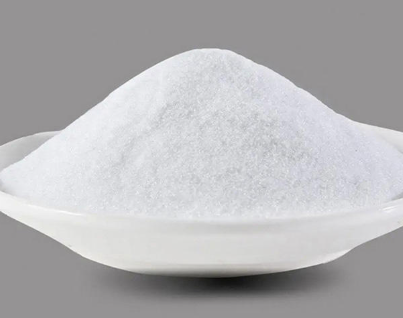
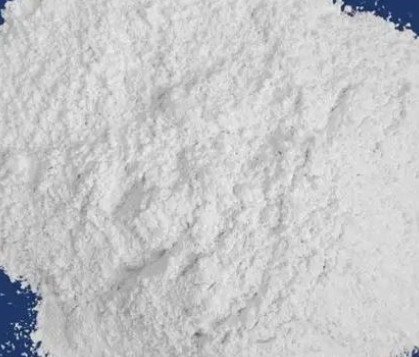
Just like large-format wine bottles come in different sizes and shapes for different scenarios, fiberglass powder is also divided into multiple grades and specifications according to particle size, purity and surface treatment, each designed for targeted application scenarios. The table below summarizes the core parameters of the most common commercial grades.
| Grade Name | Typical Particle Size Range | Purity | Core Feature | Primary Application |
|---|---|---|---|---|
| General Filling Grade | 300 – 800 mesh | ≥98% | Balanced performance, cost-effective | General modified plastics, general industrial coatings |
| Ultrafine Reinforcing Grade | 1000 – 3000 mesh | ≥99% | Good dispersion, obvious reinforcement effect | Engineering plastics, precision injection molded parts |
| Insulation-Grade | 500 – 2000 mesh | ≥99.5% | Excellent electrical insulation, low dielectric loss | Electronic components, electrical insulation parts |
| Wear-Resistant Modified Grade | 400 – 1500 mesh | ≥98.5% | High hardness, improved wear resistance | Friction materials, brake pads, wear-resistant parts |
| Coating Special Grade | 800 – 2500 mesh | ≥99% | Good suspension, improved coating hardness | Industrial coatings, anti-corrosion coatings, ink additives |
| Low-Dielectric Electronic Grade | 1000 – 3000 mesh | ≥99.8% | Stable dielectric properties, low water absorption | 5G components, electronic packaging materials |
Note: Particle size, purity and surface treatment can be customized according to specific formula requirements and application scenarios.
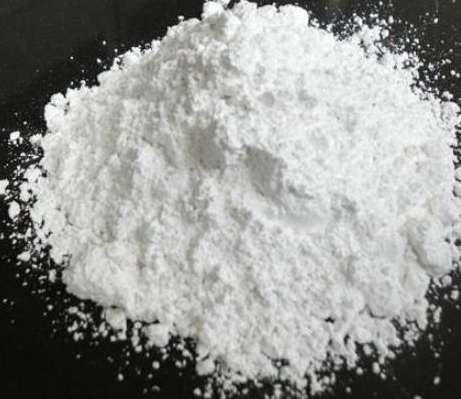
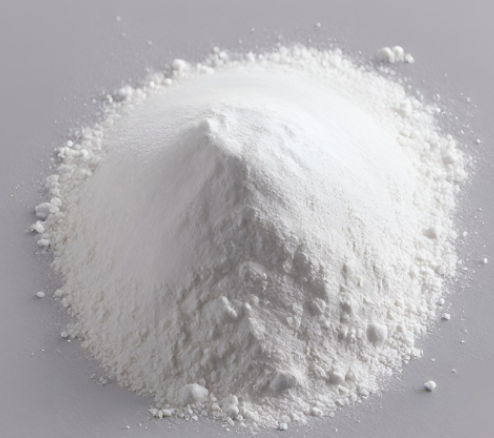
The value of fiberglass powder is far more than just a common filler. It plays an irreplaceable role in many segmented industries, and each field makes use of different performance advantages of this material.
This is the largest application field of fiberglass powder. In automotive interior and exterior parts, bumper brackets, engine peripheral parts and other products, glass fiber filler powder for modified plastics is used to replace part of the short glass fiber or mineral filler, which can take into account the strength and appearance quality of the product.
Its excellent dimensional stability can reduce the deformation rate of injection molded parts, improve the qualification rate of products, and good processing fluidity also helps to improve production efficiency and reduce the scrap rate of complex parts.
In the electronic and electrical industry, insulation-grade fiberglass powder and low-dielectric grade products are core filling materials for insulating parts, switch housings, relay bases and high-frequency components.
It not only provides reliable electrical insulation performance and ensures the safety of products in long-term operation, but also improves the heat resistance and flame retardant properties of materials, and meets the strict safety requirements of the electronic and electrical industry.
Fiberglass powder for coatings is widely used in industrial anti-corrosion coatings, floor coatings, insulating coatings and printing inks. It can improve the hardness, scratch resistance and wear resistance of the coating film, and reduce the shrinkage of the coating film during curing.
At the same time, its stable chemical properties can improve the acid and alkali resistance and weather resistance of the coating, extend the service life of the coating, and reduce the frequency of later maintenance and repainting.
In the friction material industry, wear-resistant fiberglass filler powder is an important raw material for brake pads, clutch plates and various wear-resistant parts. It can improve the friction coefficient stability and wear resistance of friction materials, reduce wear during use, and extend the service life of products.
In the building materials industry, fiberglass powder is added to artificial stone, ceramic tiles and thermal insulation materials, which can improve the strength and crack resistance of products, reduce shrinkage during curing and molding, and improve the dimensional accuracy and durability of finished products.
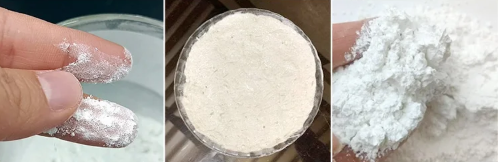
For industrial buyers and formulation engineers, fiberglass powder of different suppliers may look similar in appearance, but the actual use effect varies greatly. Paying attention to the following technical indicators can help you avoid low-quality products that affect formula performance.
Particle size is the core parameter that determines the performance of fiberglass powder. High-quality ultrafine fiberglass powder has a concentrated particle size distribution and uniform particle size, which can ensure stable dispersion and consistent performance in the resin system.
Products with too wide particle size distribution will have uneven performance of the finished product. Too many large particles will affect the surface finish of the product, and too many ultra-fine particles will easily agglomerate, which will increase the difficulty of dispersion and affect production efficiency.
The purity of fiberglass powder directly affects its electrical insulation, chemical stability and mechanical properties. High-purity fiberglass micro-powder has extremely low impurity content, no iron, heavy metal and other harmful impurities, and stable performance.
For electronic and food contact grade products, impurity content is a key indicator that must be strictly controlled. Low-purity products contain too many impurities, which will not only reduce the insulation and wear resistance of the product, but also bring hidden safety hazards in special application scenarios.
High-quality fiberglass powder usually provides targeted surface treatment options. According to different matrix resins such as polyolefin, polyamide and polyester, corresponding coupling agent treatment is carried out to improve the interfacial bonding force between fiberglass powder and resin.
Surface-treated fiberglass powder has better dispersion in the resin system, is not easy to agglomerate, and the product has more uniform performance and better mechanical properties. When sourcing, you should communicate your resin system and process requirements with the supplier to choose the most suitable surface treatment scheme.
Fiberglass powder is easy to absorb moisture in the air, and too high moisture content will affect its dispersion and bonding performance in the resin, and even cause bubbles and defects in the product during processing.
High-quality products will go through drying and sealed packaging treatment to control the moisture content at a low level, ensuring stable performance during the shelf life. For production scenarios with high requirements, products with moisture-proof packaging can be selected to avoid performance degradation caused by moisture absorption during storage and transportation.
Sourcing fiberglass powder in bulk is not just about comparing unit prices. Supply stability, customization capabilities, quality control systems and logistics solutions will all directly affect your production progress and operating costs.
For standard specification products, bulk orders usually start from whole pallets or tons, which are suitable for regular inventory replenishment of distributors and mass production of conventional products. For special formula requirements, customized services such as particle size, purity, surface treatment and packaging are often required.
A reliable supplier should have flexible MOQ for custom orders, and support customized services such as particle size grading, surface treatment formula adjustment and special packaging. This allows you to get products that fully match your formula needs without excessive inventory pressure.
For industrial production, the quality consistency of each batch of raw materials is crucial. High-quality fiberglass powder suppliers should have a strict quality management system, and each batch of products is tested for particle size, purity, moisture content and other indicators before leaving the factory.
Reputable suppliers can provide complete batch test reports and full traceability from raw fiber production to finished product processing. This ensures consistent performance of each batch of products and eliminates quality risks for cross-border trade and large-scale production.
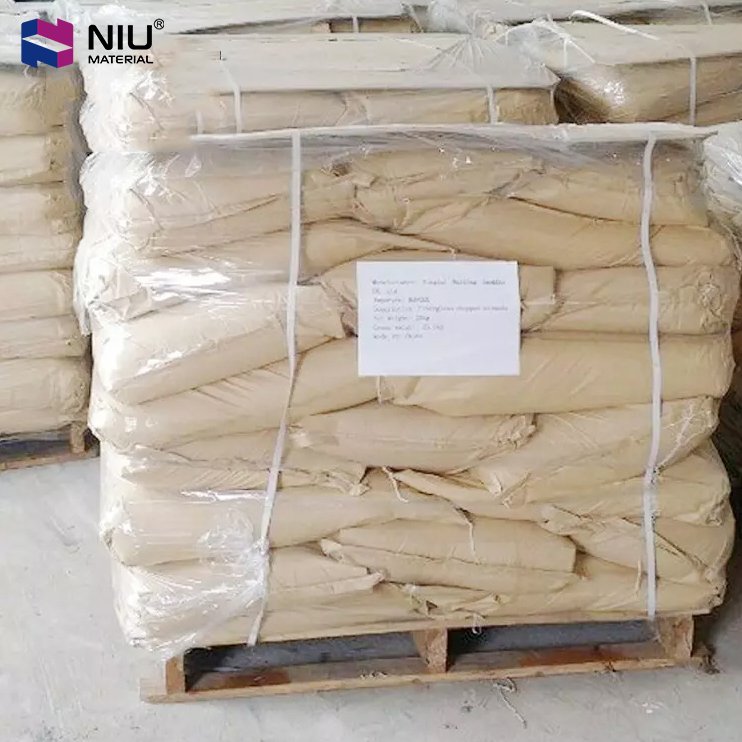
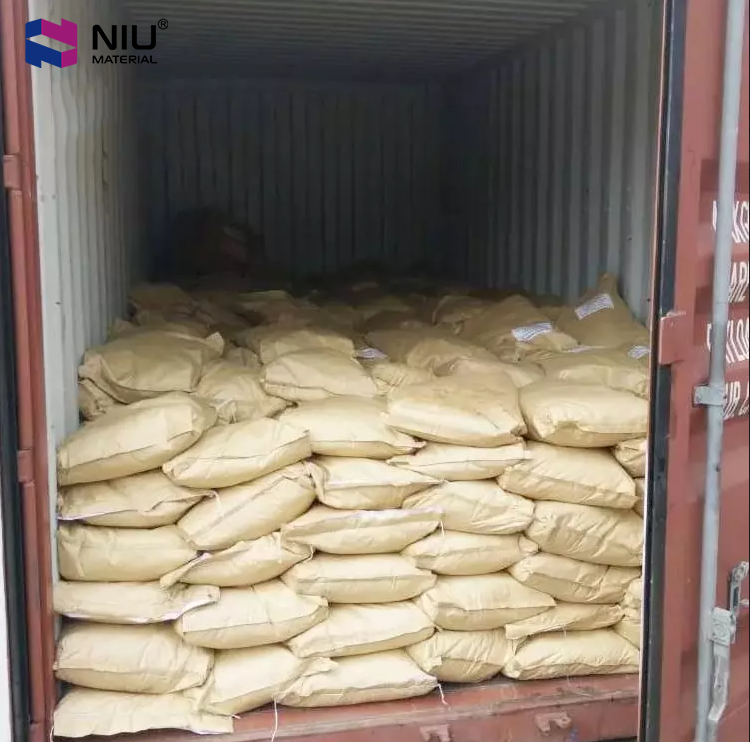
Fiberglass powder is a fine powder material, so the sealing and moisture-proof performance of the packaging are very important. Professional suppliers usually use inner film bags plus outer woven bags or paper-plastic composite bags, and palletize with stretch film to avoid moisture absorption and powder leakage during transportation.
For large-scale production projects with tight schedules, on-time delivery is critical. When selecting a supplier, you should evaluate its production capacity, production scheduling flexibility and international logistics experience to ensure that goods can be delivered to the designated location on time and in good condition.
Fiberglass powder is far more than an ordinary cost-reducing filler — it is a high-performance raw material that comprehensively improves the rigidity, heat resistance, dimensional stability and wear resistance of materials. From general-purpose filling grades to high-end electronic low-dielectric grades, products of each grade are designed to solve specific pain points in different industries.
For distributors, modified plastic manufacturers, coating enterprises and electronic material suppliers, choosing the right grade of fiberglass powder and cooperating with a reliable supplier can help you reduce comprehensive formula costs, improve product performance and gain a stronger competitive advantage in the market.
Whether you need standard bulk ultrafine fiberglass powder or custom-formulated low-dielectric fiberglass powder for special projects, a professional fiberglass product manufacturer can provide the technical support and production capacity you need to help you optimize your material formula and create higher-quality end products.

If you have any questions
Please contact us for free consultation and product quotation

You can leave the specifications and contact information you need~ Our technicians will immediately organize the exclusive information for you and send it to your email!
You can leave your contact information here, and we will send you detailed specifications and application cases to make your purchase clearer~