AR Fiberglass Roving: How to Choose the Right Grade for GRC and Composite Projects
Table of Contents
Add a header to begin generating the table of contents
Introduce
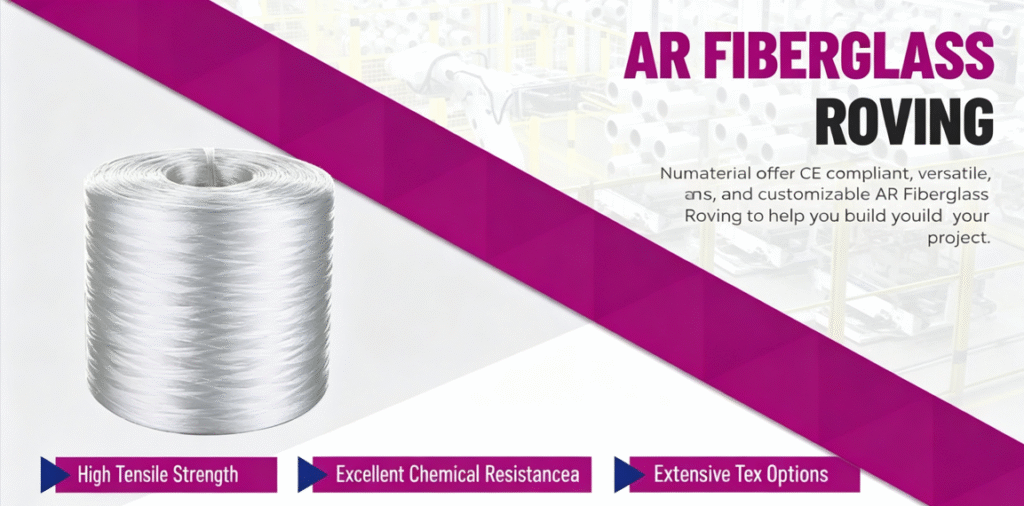
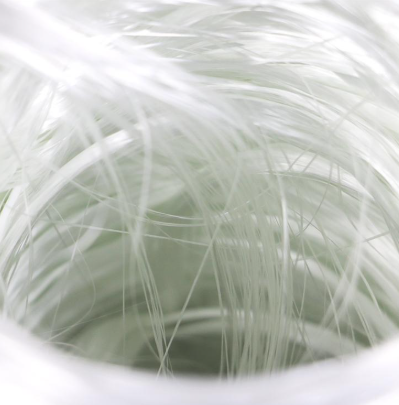
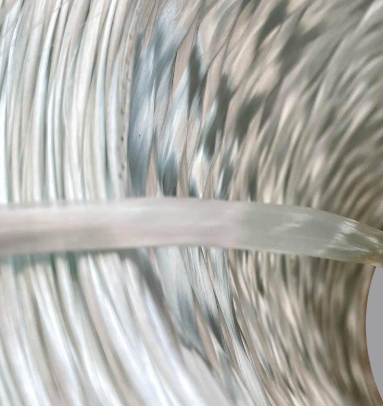
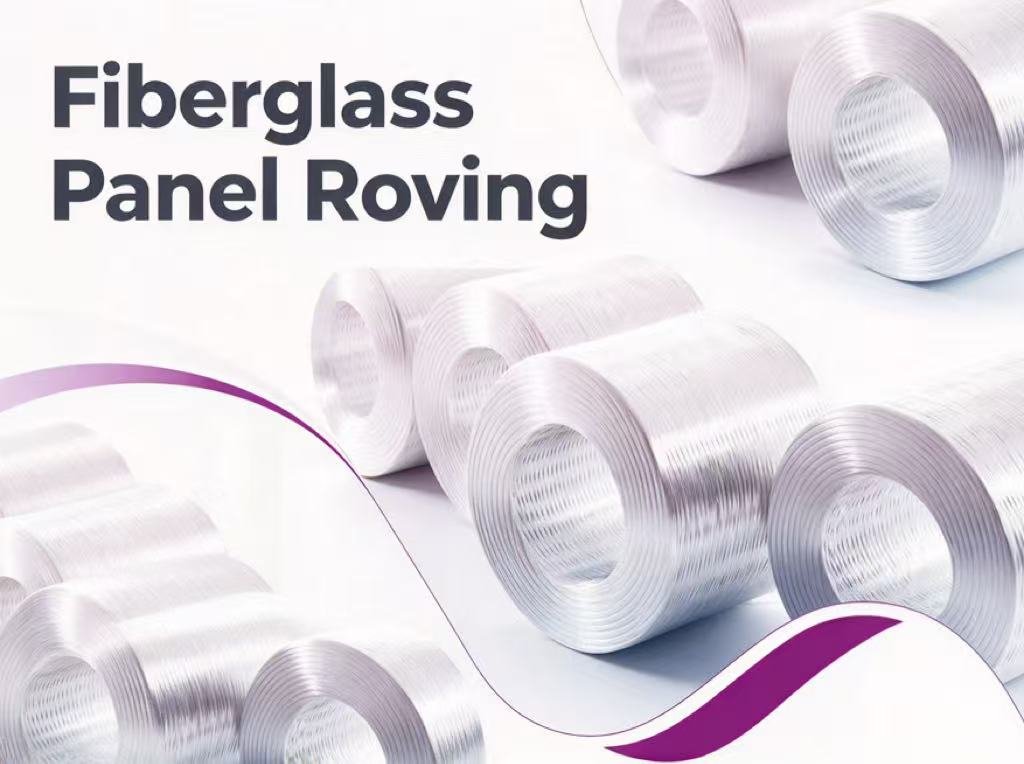
AR fiberglass roving has become an important reinforcement material for manufacturers working with GRC, cement-based composites, and other high-alkalinity applications. Unlike ordinary fiberglass reinforcement, AR fiberglass roving is specially developed to maintain its reinforcing function in alkaline environments.
For buyers, however, choosing the right product is not simply about looking at the roving type. Fiber content, strand structure, compatibility with the matrix, application requirements, and production consistency can all influence the final composite.
In this guide, we will look at the key factors behindAR glass fiber roving, common applications, product selection, and purchasing considerations before placing a bulk order.
Start With the Right Fiber
The first decision is understanding why the project needs an alkali-resistant reinforcement. Cement and concrete-based materials create an alkaline environment that can affect conventional glass fibers over time. This is why alkali resistant fiberglass roving is widely selected for GRC and similar applications.
AR glass fiber is manufactured with a zirconia-containing glass composition designed for improved resistance to alkaline conditions. When properly selected and processed, alkali resistant glass fiber can provide reinforcement throughout the service life of the composite.
For manufacturers producing architectural panels, decorative components, concrete products, or other cement-based composites, this makesAR fiberglass rovinga practical reinforcement choice.
Find the Grade That Fits Your Process
Not every project requires the same roving construction. Depending on the manufacturing process, buyers may need different tex values, strand structures, sizing systems, and package formats.
For spray-up, pultrusion, winding, premix, or other composite processes, the correct AR fiberglass roving should provide good handling and resin or cement matrix compatibility. In GRC production, the roving must also work smoothly with the cementitious system and cutting or mixing process.
A professional supplier should be able to provide different specifications according to the customer’s equipment and application instead of offering only one standard product.
Where AR Roving Makes the Difference
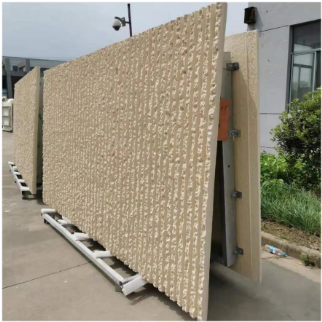
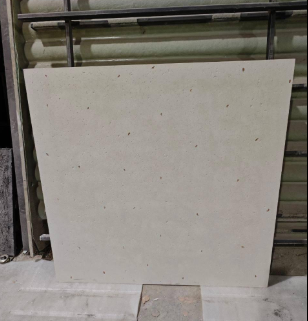
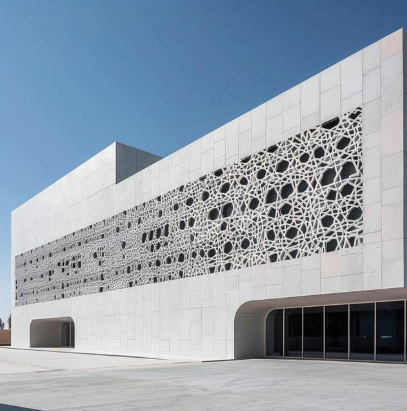
One of the most important markets for GRC fiberglass rovingis glass fiber reinforced concrete. It can be incorporated into architectural panels, decorative elements, facade components, landscaping products, and other cement-based products.
The reinforcement helps manufacturers develop cement-based products with improved crack control, structural integrity, and design flexibility. Because GRC products are often designed with relatively thin sections, appropriate fiber reinforcement becomes particularly important.
Beyond GRC,fiberglass roving for GRC can also be relevant to precast cement products and selected composite applications where resistance to alkaline environments is required.
Strength Starts With Fiber Distribution
The performance of a reinforced composite depends not only on fiber strength but also on how evenly the fibers are distributed throughout the matrix.
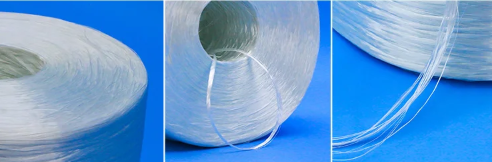
A well-designed AR glass fiber rovingshould provide stable strand integrity during handling while allowing the fibers to disperse effectively during the intended manufacturing process.
For GRC manufacturers, consistent fiber distribution can help reduce weak areas within the composite. This is why factors such as strand quality, sizing, chopping behavior, and compatibility with the cement matrix should be evaluated together.
Choose by Application, Not Just Price
Price is important in bulk purchasing, but the lowest-costalkali resistant fiberglass roving is not necessarily the most economical option for a production line.
A better purchasing decision considers fiber consumption, production speed, waste rate, handling performance, and final product quality. If a slightly higher-grade roving improves processing stability and reduces production waste, the overall cost may actually be lower.
For GRC manufacturers, the bestAR fiberglass yarnis the one that matches the formulation and production process while maintaining consistent quality from batch to batch.
Consistency Matters at Scale
Small differences in fiber quality may not be obvious when ordering a few samples, but they can become significant when a factory processes several tons of reinforcement material.
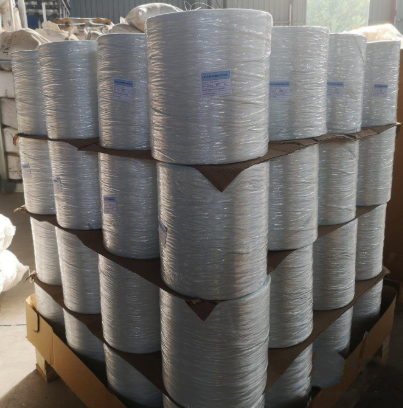
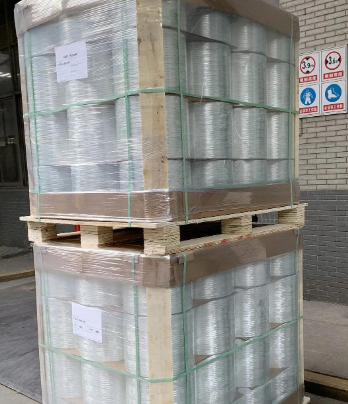
For long-term projects, buyers should look at production consistency, package condition, moisture protection, labeling, and batch traceability. A reliable supplier ofAR fiberglass roving for GRC should be able to maintain stable specifications across repeated orders.
Quality documentation can also make international procurement easier. Depending on the project and market, buyers may request technical data sheets, test reports, quality certificates, and other relevant documentation.
Make the Right Choice Before Ordering
Before purchasing AR glass fiber roving, buyers should confirm several details with the supplier.
Buyer Checklist: Application Glass type Tex specification Sizing system Strand structure Package type MOQ Loading quantity Technical documents Sample availability.
For projects involving alkali resistant glass fiber, buyers should also explain the cement or composite formulation, production equipment, target product, and expected annual consumption. This allows the supplier to recommend a more suitable specification instead of simply quoting a standard grade.
Turn Your Specification Into a Reliable Supply
Choosing the right reinforcement is only the first step. For manufacturers, long-term supply stability is equally important.
A professionalAR fiberglass roving manufacturer should be able to support sample testing, specification confirmation, bulk production, packaging, and repeat orders. This is especially important for GRC manufacturers whose formulations and production parameters depend on consistent reinforcement.
At Hebei Yuniu Fiberglass Manufacturing Co., Ltd., we focus on supplying fiberglass reinforcement materials for international composite and construction markets. Our team can discuss your application, required specification, packaging requirements, and estimated quantity before recommending the appropriate product.
If you are sourcing AR fiberglass roving, GRC fiberglass roving, or other alkali resistant fiberglass reinforcement materials, send us your required specification and application. We can help you evaluate a suitable option for your project.
Final Checklist: Is Your AR Roving Ready for Production?
Before placing a bulk order, make sure you have confirmed the application, glass type, tex, sizing, package, MOQ, delivery requirements, and technical documentation. The rightAR fiberglass roving suppliershould be able to answer these questions clearly and provide samples for evaluation when necessary.
For GRC, cement-based composites, and other alkaline environments, selecting a suitable reinforcement can make a significant difference in production consistency and final product quality.
Contact Hebei Yuniu Fiberglass Manufacturing Co., Ltd. with your required AR fiberglass roving specification, application, and quantity for a product recommendation and quotation.
Do you want to know the technical parameters and TDS of products?
You can leave the specifications and contact information you need~ Our technicians will immediately organize the exclusive information for you and send it to your email!
Interested in this specification?
You can leave your contact information here, and we will send you detailed specifications and application cases to make your purchase clearer~
Contact us via email
You can leave a message about the fiberglass and other composite materials you are interested in/looking for.
We will send you a clear quotation (including product price + shipping cost) within 12 hours.
How can we help you?
You can leave a message about the fiberglass materials you are interested in/looking for.
We will send you a clear quotation (including product price + shipping cost) within 12 hours.