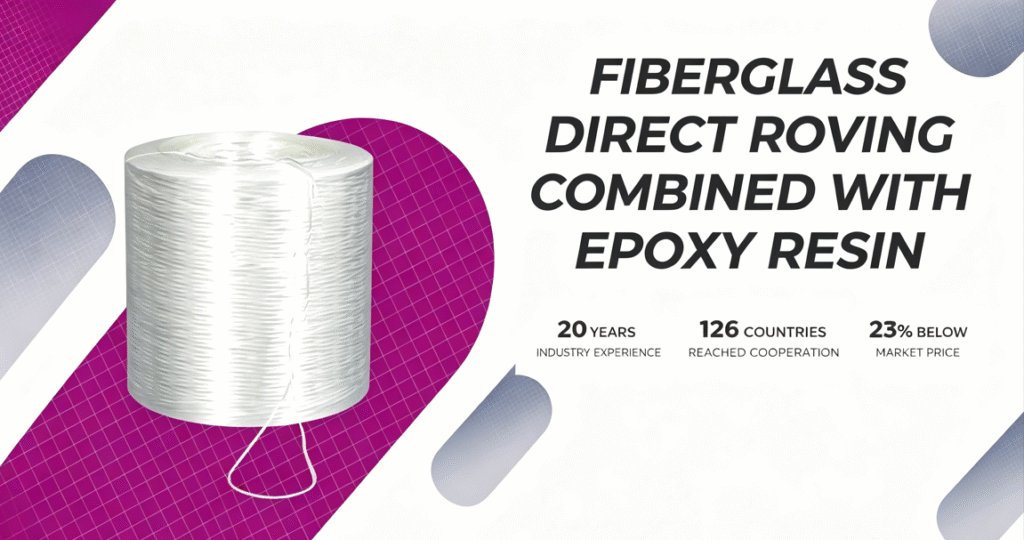
Epoxy Fiberglass Direct Roving: The Right Choice for High-Performance Composites
Table of Contents
Add a header to begin generating the table of contents
Introduce
When composite manufacturers look for reinforcement materials, the choice is rarely based on fiber strength alone. Epoxy fiberglass direct roving also affects resin wet-out, processing stability, fiber distribution, surface quality, and the final performance of the composite. For applications such as pultrusion, filament winding, and structural profiles, choosing the right roving can directly influence production efficiency and product reliability.
Whether you are sourcing fiberglass direct roving for a new composite project or looking for a stable material for continuous production, the right specification needs to match your resin system and processing technology. This guide covers key properties, common specifications, processing applications, quality considerations, and purchasing factors to help manufacturers select a suitable epoxy compatible fiberglass roving.
The Numbers That Matter
For composite production, specifications are more than numbers on a technical data sheet. Fiberglass roving tex determines how much fiber is delivered during processing, while filament diameter, strand integrity, moisture content, and sizing formulation influence handling and resin impregnation.
Different production lines may require different tex levels. Common direct roving specifications can include 1200, 2400, 4800, and higher tex options, depending on the application and equipment. The final selection should be based on the required fiber loading, production speed, resin viscosity, and forming method rather than simply choosing the largest or smallest tex.
Common Specifications for Production Planning
Specification
Typical Consideration
1200 Tex
Suitable for lighter reinforcement and certain profiles
2400 Tex
Balanced option for many composite applications
4800 Tex
Higher fiber delivery for structural production
9600 Tex
Designed for applications requiring high reinforcement loading
Final specifications should be confirmed according to the customer’s equipment and application.
Where Performance Starts to Show
The value ofepoxy fiberglass direct roving becomes clearer during processing. A suitable sizing system helps the glass fibers work effectively with epoxy resin, supporting fast and consistent wet-out. Good strand integrity can also reduce fuzz and fiber breakage during continuous processing.
For manufacturers, these details matter because unstable fiber feeding can create production interruptions, uneven fiber distribution, or surface defects. A well-designed epoxy resin fiberglass roving should provide stable unwinding, consistent tension, good strand integrity, and reliable compatibility with the selected epoxy system.
Built for Continuous Production
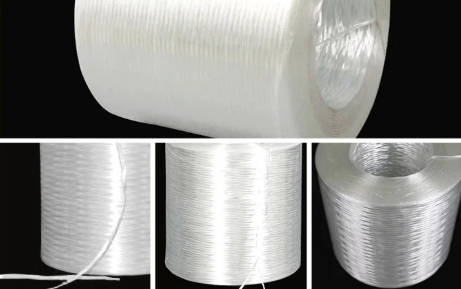
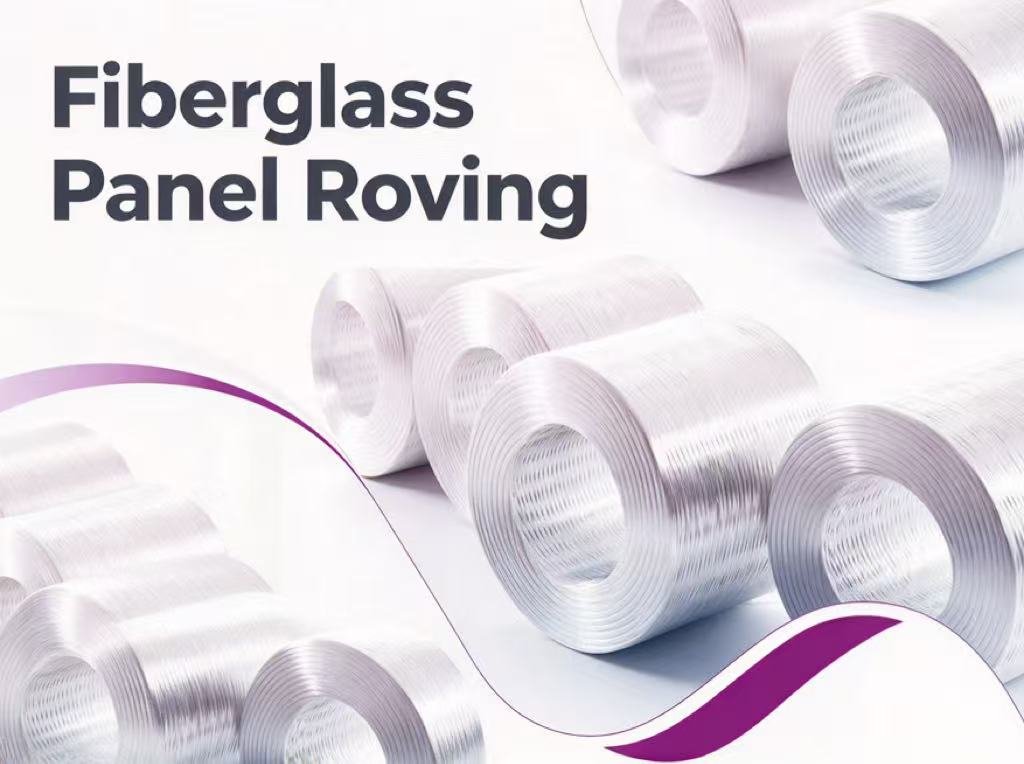
One of the strongest advantages ofdirect fiberglass rovingis its suitability for continuous composite manufacturing. Unlike materials that require additional strand assembly before processing, direct roving is supplied as a continuous single-end strand wound onto a bobbin.
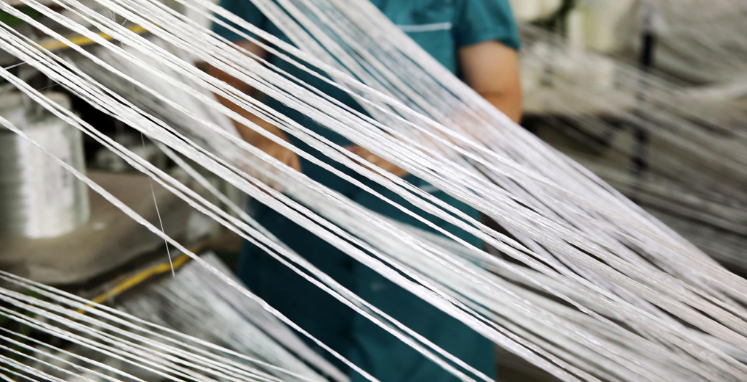
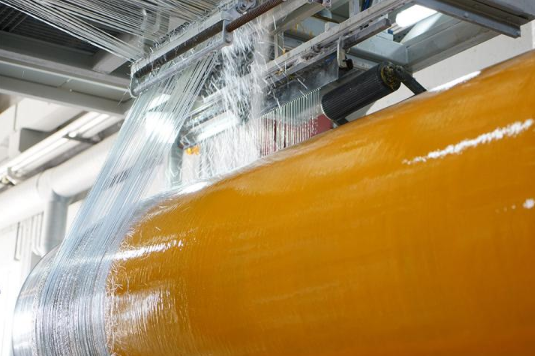
This structure makes it suitable for processes where continuous fiber placement is important. In pultrusion, for example, multiple rovings can be guided from creels through a resin bath and into a forming die. In filament winding, the roving can be continuously delivered onto a rotating mandrel according to a controlled winding pattern.
Three Routes, One Strong Reinforcement
Pultrusion for Consistent Profiles
Epoxy fiberglass roving for pultrusion is commonly selected when manufacturers need continuous reinforcement in products with a constant cross-section. The process can produce FRP profiles, rods, structural components, cable trays, gratings, and other composite products.
The continuous fiber structure provides a practical way to achieve high fiber content while maintaining consistent production. For demanding structural applications, the compatibility between the sizing and epoxy resin is particularly important because it contributes to effective resin impregnation and fiber-matrix bonding.
Filament Winding for Cylindrical Structures
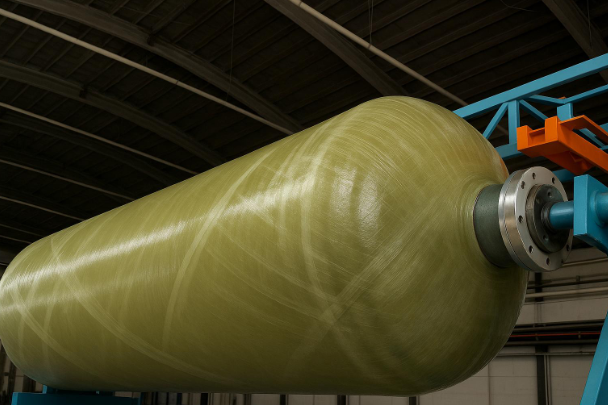
Fiberglass direct roving for filament winding is designed for continuous fiber placement around a mandrel. Depending on the winding angle and product design, manufacturers can create pipes, tanks, pressure vessels, and other cylindrical composite structures.
Stable tension and smooth unwinding are especially important in this process. If the roving feeds unevenly, the final laminate may show variations in fiber distribution. A consistent roving package therefore supports both production efficiency and repeatable composite quality.
Weaving and Fabric Conversion
Some epoxy compatible fiberglass roving is also used as the starting reinforcement for woven or multiaxial fabrics. The direct strand structure allows manufacturers to convert the roving into different reinforcement architectures according to the final composite design.
This makes direct roving useful for manufacturers that produce more than one type of reinforcement material and need a flexible raw material for different production lines.
Strength Meets Processability
The main reason manufacturers selecthigh strength fiberglass rovingis its ability to reinforce polymer matrices without adding excessive weight. Glass fibers offer a strong reinforcement network, while the epoxy matrix binds the fibers together and transfers loads through the composite structure.
However, tensile strength alone does not determine whether a roving is suitable. During high-speed production, manufacturers also need consistent tension, low fuzz, good strand integrity, and reliable resin wet-out. These processing characteristics can be just as important as the final mechanical properties.
From Profiles to Infrastructure
The flexibility ofepoxy fiberglass direct rovingallows it to serve a wide range of composite manufacturing applications. Depending on the formulation and specification, it can be used for:
FRP structural profiles
Fiberglass rods and reinforcement bars
Filament-wound pipes
Chemical storage tanks
Pressure vessels
Cable trays
FRP gratings
Industrial structural components
Electrical insulation components
Composite transportation structures
The combination of continuous reinforcement and epoxy resin makes these materials particularly attractive when manufacturers need lightweight construction, dimensional stability, corrosion resistance, and long-term durability.
What Makes a Roving Production-Ready?
A goodepoxy fiberglass reinforcement should be evaluated before it reaches the production line. Manufacturers should review the technical data sheet and confirm several important factors.
First, check the glass type and sizing compatibility. A roving designed specifically for epoxy systems can provide more predictable resin wet-out than a product developed for another resin system. Second, review the tex, filament diameter, moisture content, loss on ignition, and tensile performance.
Packaging also deserves attention. Consistent bobbin dimensions and stable winding can help reduce feeding problems during automated processing. For large-volume production, packaging consistency becomes an important part of supply-chain stability.
A Better Starting Point for Your Next Composite Project
The right epoxy resin fiberglass roving is more than a reinforcement material. It becomes part of the entire production system, from fiber feeding and resin impregnation to forming, curing, and final composite performance.
For manufacturers working with pultrusion, filament winding, woven reinforcement, or other continuous composite processes, a stable direct roving can help create a more predictable manufacturing process. The key is to match the roving specification, sizing system, packaging, and processing technology with the actual requirements of the project.
Do you want to know the technical parameters and TDS of products?
You can leave the specifications and contact information you need~ Our technicians will immediately organize the exclusive information for you and send it to your email!
Interested in this specification?
You can leave your contact information here, and we will send you detailed specifications and application cases to make your purchase clearer~
Contact us via email
You can leave a message about the fiberglass and other composite materials you are interested in/looking for.
We will send you a clear quotation (including product price + shipping cost) within 12 hours.
How can we help you?
You can leave a message about the fiberglass materials you are interested in/looking for.
We will send you a clear quotation (including product price + shipping cost) within 12 hours.