Why Premium Gypsum Boards Rely on Fiberglass Gypsum Roving for Superior Performance
Table of Contents
Add a header to begin generating the table of contents
Introduce
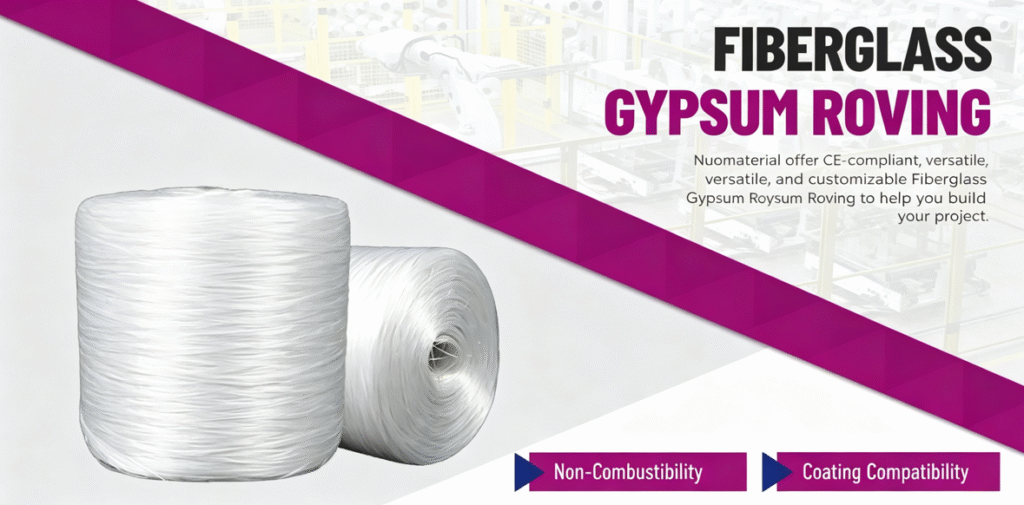
Fiberglass Gypsum Roving occupies a unique position in the modern building materials supply chain. It is functional enough to form the structural backbone of gypsum panels, yet specialized enough to elevate standard drywall into high-performance building solutions. A manufacturer may sourcegypsum board reinforcementmaterials for improved impact resistance, while contractors specify reinforced gypsum for fire-rated assemblies and moisture-prone areas. In every case, the reinforcing material does critical work. While paper backing and traditional additives are still common in gypsum production, more premium gypsum brands continue to integrate Fiberglass Gypsum Roving because of its unmatched tensile performance, long-term durability, and strong alignment with modern green building standards.
Fiber reinforcement also delivers practical manufacturing benefits. This article explains why fiberglass roving works so well for gypsum board production, which specifications and grades deserve attention, and what B2B procurement teams should evaluate before placing a bulk order.
The Growing Demand for High-Performance Gypsum Building Materials
The global building materials market has undergone a major shift in recent years. Architects, developers, and regulators are increasingly focused on products that deliver durability, fire safety, moisture resistance, and structural reliability — moving far beyond basic mass-market drywall standards.
High-performance gypsum products have benefited directly from this trend. Instead of settling for standard gypsum boards that only meet minimum requirements, many project teams now look for solutions with:
Enhanced mechanical strength
Improved moisture resistance
Proven fire retardant performance
Sustainable, low-carbon material composition
Fiberglass Gypsum Rovingis one of the core reinforcing materials that makes this upgrade possible.
Many leading gypsum manufacturers position their premium lines around durability and engineering performance. They focus on the material science behind the panel, whether it comes from optimized fiber distribution, high-purity gypsum core, or advanced curing processes.
Reinforcement plays an essential role in communicating and delivering these values. A well-formulated continuous filament roving can immediately improve panel consistency and load-bearing capacity. Compared with ordinary chopped fiber or paper reinforcement, continuous roving provides more uniform stress distribution that professional builders associate with premium quality.
For distributors and fabricators, consistent high-performance reinforcement also improves product consistency and reduces field complaints. A reliable fiber specification can help product lines stand out among dozens of competing gypsum brands.
This is why demand for specialty drywall manufacturing reinforcements continues to grow. Gypsum companies are not only looking for raw materials; they are looking for material solutions that support their brand reputation for quality.
A Reinforcement Backbone Engineered for Gypsum Core Integration
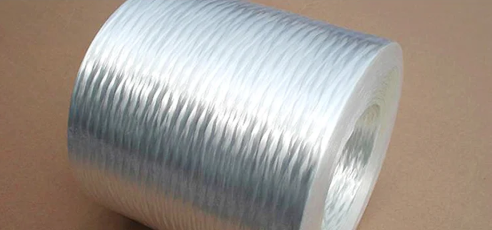
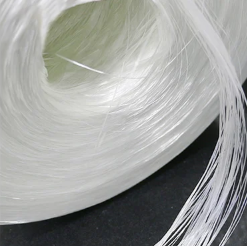
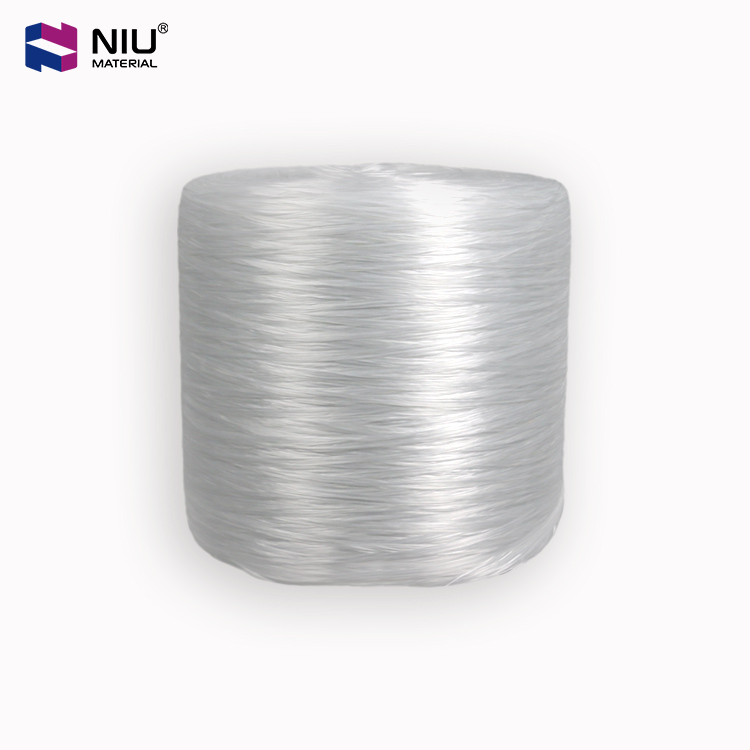
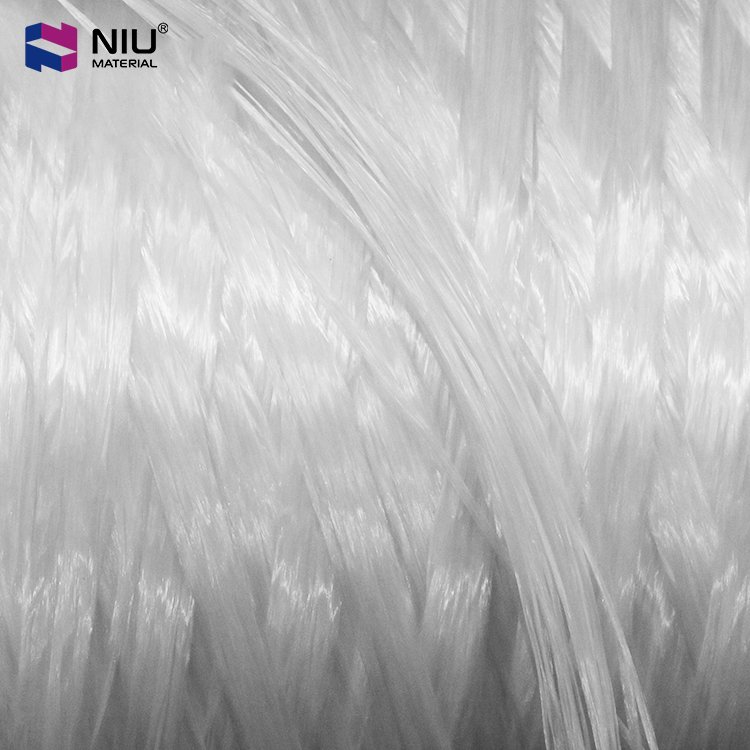
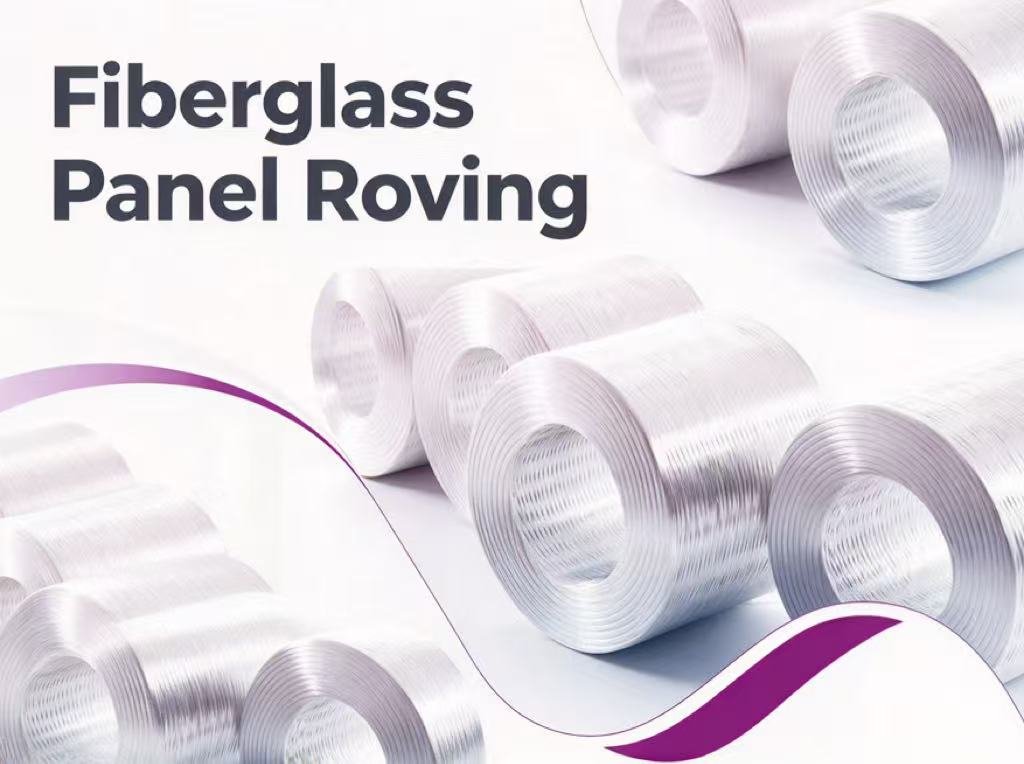
Fiberglass Gypsum Roving is one of the most widely recognized structural reinforcements for modern gypsum panels. Although it falls under the broader category of glass fiber reinforcements, gypsum-specific roving is formulated with specialized sizing designed to bond seamlessly with the gypsum core. Traditional gypsum reinforcement relied heavily on paper facers and basic chopped fibers.
Because of its proven track record in high-strength gypsum, alkali-resistant glass fiber roving has a strong connection with premium drywall technology. Many brands intentionally specify continuous roving to highlight their commitment to structural performance.
Incorporating fiberglass roving into gypsum production creates a measurable performance difference that resonates with specifiers. Uniform fiber alignment, consistent filament diameter, and purpose-built sizing help manufacturers deliver predictable strength across every panel.
For this reason, many companies producing high-grade gypsum boards choose reinforcement materials that perform differently from standard fiber options. The roving becomes part of the product’s structural identity.
Popular product forms include direct roving for automated chopping lines, as well as assembled multi-end roving when brands need higher throughput and greater uniform dispersion across the panel width.
Why Leading Gypsum Manufacturers Choose Fiberglass Gypsum Roving
Fiberglass Roving Boosts Tensile Strength and Impact Resistance
Glass fiber is inherently strong and does not degrade or soften when exposed to gypsum chemistry. That matters for core bonding, nail pull resistance, impact strength, and flexural performance. It gives the gypsum panel a dependable structural foundation, although sizing formulation, fiber length, dispersion uniformity, core density, and curing conditions must still be managed as part of the full production process.
Fiberglass Gypsum Roving Elevates Product Grade and Market Position
Fiber reinforcement adds immediate structural credibility. Continuous roving profiles suit high-performance fire-rated boards, while chopped roving layers work well for standard moisture-resistant panels. Uniform fiber distribution improves surface flatness, and alkali-resistant glass fiber grades can extend service life in high-humidity and exterior sheathing applications. Embedded fiber grids or reinforced edges can become a recognizable product feature.
The aim is not reinforcement for its own sake. The material must still run smoothly on the forming line, bond properly with the gypsum slurry, and meet cost targets for large-volume production.
Fiberglass Roving Supports Sustainable Building Goals
Glass fiber is an inorganic material that does not release harmful VOCs and can contribute to the long service life of buildings, reducing renovation waste. Yet fiber weight per panel, transportation distance, recycled content availability, and local construction waste systems still affect the overall environmental result.
Brands should therefore avoid overstated green claims. Focus on measurable performance gains, document material content, and align with recognized green building standards where applicable.
A credible sustainability story is practical: use a durable reinforcement material, optimize fiber dosage, and be transparent about the product’s actual contribution to building longevity.
Fiberglass reinforcement works particularly well for projects pursuing LEED, BREEAM, or other green building certifications. These applications are not right for every product, but they show that material selection can support a more responsible built environment.
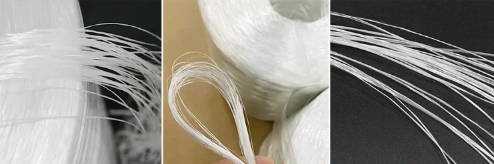
Modern gypsum lines run at high speeds and demand consistent material feeding. Experienced fiberglass manufacturers know that this is not just a question of “strong fiber.” The roving linear density, filament count, sizing compatibility, chopping performance, and static control must all match the production line parameters. Manufacturers should validate the roving performance with their existing choppers and forming equipment. Direct roving is familiar for high-volume lines; assembled roving can improve dispersion uniformity. Special low-fuzz roving grades create cleaner production environments but need early qualification for line speed and fiber yield.
The practical rule is simple: select the roving grade and production setup together. A high-strength fiber paired with the wrong sizing is an expensive production issue.
Common Specifications of Fiberglass Gypsum Roving for Gypsum Production
2400–3000 Tex Roving: Standard for Conventional Gypsum Lines
The 2400 to 3000 tex range works well for standard high-speed gypsum board lines, common wallboard production, and general-purpose reinforcement. Mid-range tex Fiberglass Gypsum Roving balances chopping efficiency and fiber dispersion, and lets manufacturers achieve reliable strength improvement without adjusting major line parameters. These specifications also fit most existing chopper setups and represent the most widely adopted entry-level premium reinforcement option.
The 4400 to 4800 tex format is a high-performance reinforcement standard. For structural gypsum boards, fire-resistant panels, and exterior sheathing products, this heavier roving delivers greater tensile strength per layer and supports reduced fiber dosage by weight. It provides enough reinforcement for demanding applications while remaining compatible with standard chopping equipment. For many premium product launches, it is the practical middle ground between performance gain and production cost.
6000+ Tex Roving: Specialty Reinforcement for Industrial Gypsum Panels
6000 tex and heavier roving works for industrial gypsum panels, ceiling systems, acoustic boards, and specialty structural products. It gives the formulator more load-bearing capacity per fiber pass and can create a robust reinforcement structure for thick-panel designs. However, heavier roving should be planned with chopper capability, dispersion uniformity, slurry penetration, and board weight targets in mind. Premium performance should feel engineered, not like unnecessary added weight.
Key Factors When Selecting Fiberglass Gypsum Roving for Gypsum Lines
Roving Uniformity and Production Consistency
Consistent linear density is an efficient form of production stability. A narrow tolerance in tex value ensures uniform fiber dosage across the board width. Low fuzz and low static roving helps reduce line downtime and fiber waste. Consistent filament diameter also improves uniform dispersion and bonding with the gypsum core. Brands should test a roving grade on their actual production line before committing. Does it chop cleanly? Does it disperse evenly in the slurry? Does it maintain consistent feeding at full line speed? Does it match the intended board weight target? A custom formulation should have a genuine purpose, such as improving strength efficiency or reducing production waste. It should not become an over-engineered material that raises cost without measurable benefit.
Sizing Compatibility and Core Bonding Performance
The sizing formulation affects fiber dispersion, core adhesion, board strength, and production environment. Standard gypsum roving sizing is optimized for neutral to slightly alkaline gypsum slurry. Specialty sizing can be developed for high-alkali formulations or special curing processes, but they should be checked early for supply reliability and production compatibility.
Share technical details with the fiber supplier before trial production. A helpful brief includes board design target, gypsum slurry chemistry, line speed, chopper model, curing temperature, humidity control, target markets, and end-use conditions. It is much easier to select the correct sizing at the start than to troubleshoot bonding issues after full production begins.
Manufacturing Consistency for Large-Volume Supply
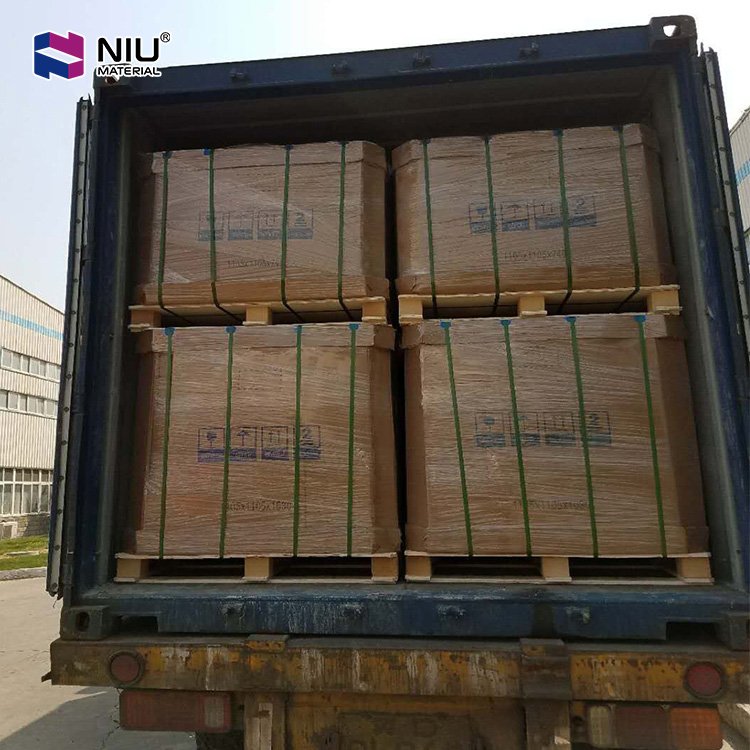
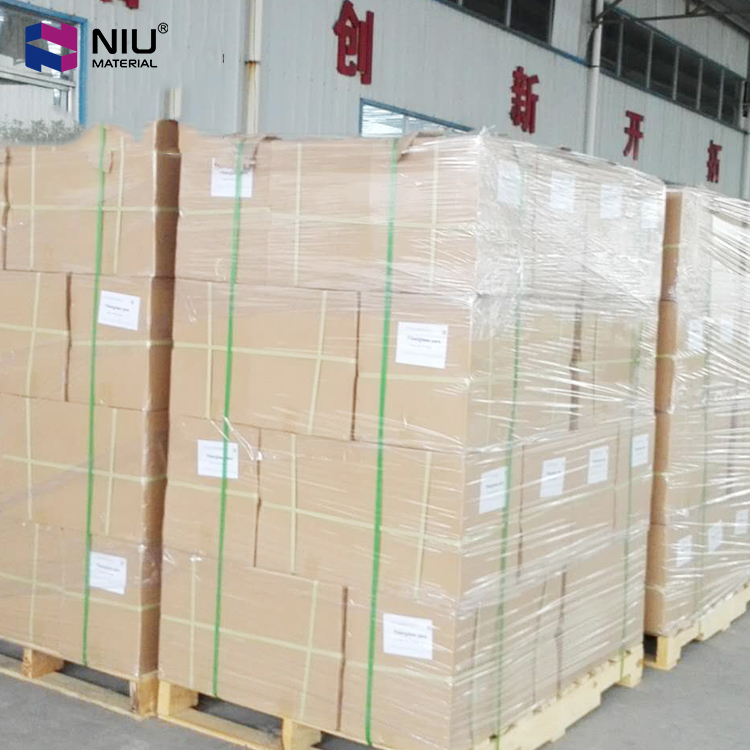
Consistency is where material supply becomes an operations issue. For bulk Fiberglass Gypsum Roving orders, buyers need stable tex values, dependable filament count, clean package forming, consistent sizing, suitable palletization, and agreed quality expectations across production lots. A few perfect sample spools do not guarantee a smooth year-long supply.
This also matters for companies sourcing fiberglass roving wholesale. Stock standard grades can shorten qualification time and reduce procurement cost. A custom program may require a longer schedule and larger order commitment, but it can create stronger product differentiation and exclusive supply security. Both routes are useful. The correct route depends on launch timing, expected volume, differentiation needs, and supply chain strategy.
Why Partnering with the Right Fiberglass Roving Supplier Matters
A fiber supplier should be more than a company that ships spools of roving. The right partner understands gypsum manufacturing, offers clear material specifications, explains customization options, and communicates frankly about lead times and tolerance ranges. That support can prevent a mismatch between roving and chopper equipment, a dispersion problem on the forming line, or a packaging design that causes damage in transit.
For example, manufacturers specializing in composite material performance can support gypsum brands with tailored solutions for standard wallboard, high-performance fire panels, and specialty industrial gypsum. Whether the project calls for a standard drywall manufacturing roving format, a standout high-strength design, or custom fiber specifications for a full product line upgrade, the goal is the same: deliver a reinforcement material that performs reliably, runs efficiently on the line, and can grow with the brand.
Do you want to know the technical parameters and TDS of products?
You can leave the specifications and contact information you need~ Our technicians will immediately organize the exclusive information for you and send it to your email!
Interested in this specification?
You can leave your contact information here, and we will send you detailed specifications and application cases to make your purchase clearer~
Contact us via email
You can leave a message about the fiberglass and other composite materials you are interested in/looking for.
We will send you a clear quotation (including product price + shipping cost) within 12 hours.
How can we help you?
You can leave a message about the fiberglass materials you are interested in/looking for.
We will send you a clear quotation (including product price + shipping cost) within 12 hours.