Beyond Separate Layers: How Fiberglass combo Mat Completes Lamination in One Pass
Table of Contents
Add a header to begin generating the table of contents
Introduce
FRP lamination looks simple on paper: gel coat, reinforcement, resin, and more reinforcement until the wall is thick enough. In practice, every layer must work with the ones beside it.
A mat that does not bond to the roving, a roving that bridges a corner, or a mismatch in wet-out speed can force rework hours later. Fiberglass combo Mat was developed to remove that coordination problem by joining the two most common reinforcement layers in a single stitched roll.
What Makes Up a Fiberglass combo Mat?
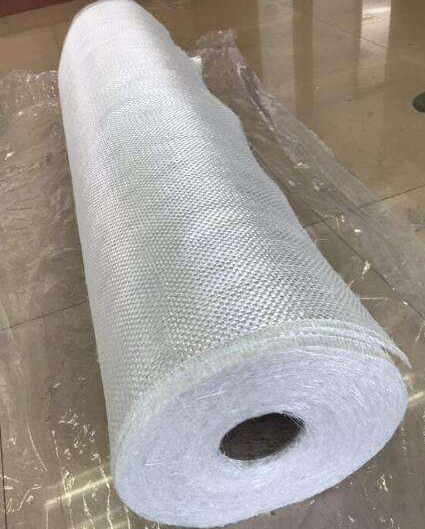
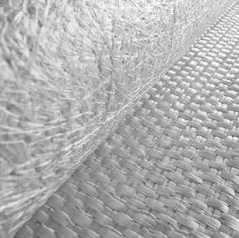
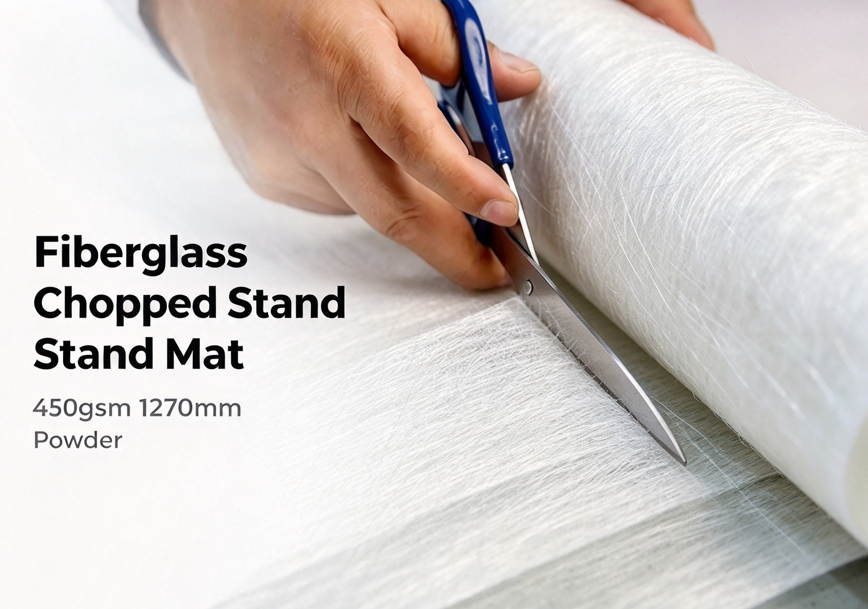
A Fiberglass combo Mat contains two working layers: a woven roving fabric for bidirectional strength and a chopped strand layer for gap filling and bonding, stitched together with polyester yarn.
Because both layers are joined mechanically before the resin touches them, the fabricator no longer aligns two separate rolls by hand. The chopped side of theFiberglass combo Mat sits against the mold surface or the previous laminate, while the roving side carries the structural load.
Why the Two Layers Must Be Coordinated
The chemistry of lamination favors Fiberglass combo Matbecause its chopped layer solves problems the roving cannot.
A bare woven roving leaves valleys where resin pools and air hides; the chopped layer of aFiberglass combo Matfills those valleys, pushes out trapped air during rolling, and gives the next layer a mechanically strong surface to bond to.
In effect, the chopped half behaves like the cap and finish of the whole package — the same role a well-matched closure plays in a complete product system.
Marine Applications: Hulls That Need Both Speed and Strength
Boatbuilders choose Fiberglass combo Mat for large hulls, decks, and superstructures because one stitched roll replaces the traditional alternation of separate mat and roving layers.
The chopped side of a Fiberglass combo Mat forms a resin-rich, corrosion-resistant surface layer that protects the laminate, while the roving side delivers the stiffness and impact resistance a hull needs in service. Repair teams use the same product for patches and resurfacing, where conformability and bond strength decide whether a repair lasts.
Tanks, Pipes, and Chemical Duty
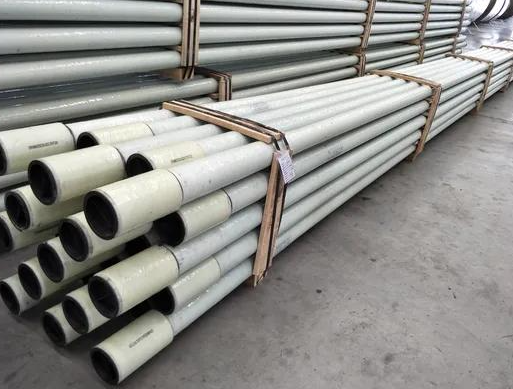
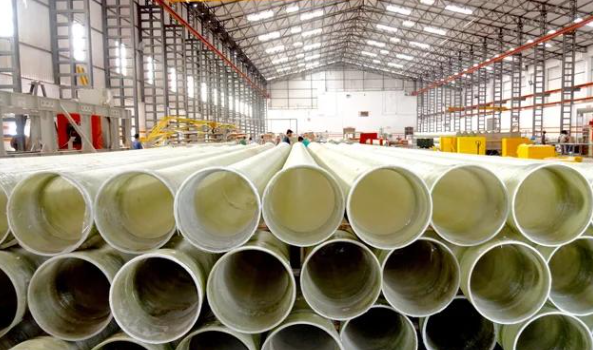
For corrosion service, Fiberglass combo Mat builds the two-part wall a chemical vessel needs: the chopped layer holds resin to form the dense barrier against acids and alkalis, and the roving layer provides the hoop and axial strength. Storage tanks, chemical vessels, and anti-corrosion pipes are wound or hand-laminated with Fiberglass combo Mat because it delivers both functions in one pass, cutting lamination time on large-diameter work.
The same construction appears in cooling towers and industrial ducting, where chemical resistance and stiffness must coexist.
Custom Fiberglass Adhesive Tape Solutions for Diverse Industry Needs
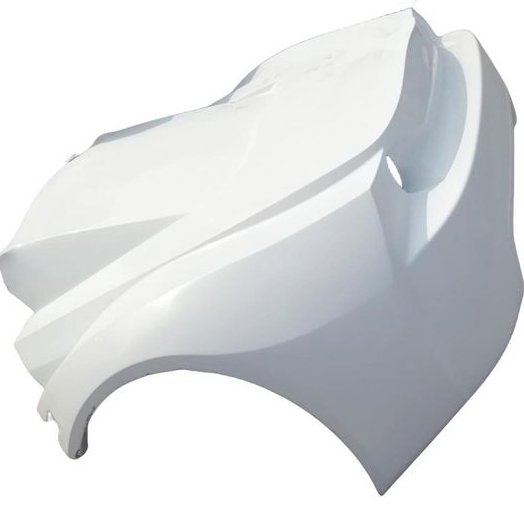
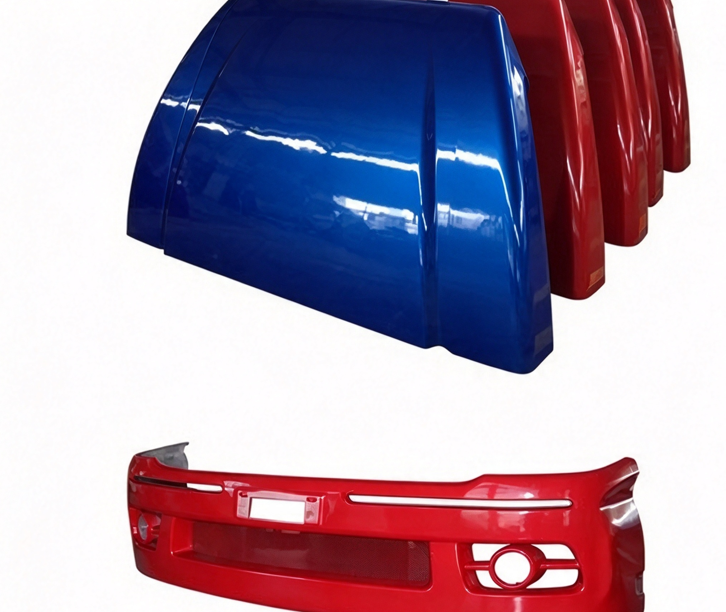
Beyond boats and tanks, Fiberglass combo Matstrengthens automotive body parts, refrigerated truck panels, and structural sections where a smooth surface must sit over a stiff core.
Wind energy equipment and sports facilities also use the product, relying on the chopped layer to fill curved molds and the roving layer to carry load. In every case, the key advantage of Fiberglass combo Mat is unchanged: one roll that coordinates the two reinforcement jobs a laminate needs, instead of two rolls that must be coordinated on the shop floor.
Which Processes and Resins Accept It?
Fiberglass combo Mat works wherever its stitched construction can stay flat and wet out cleanly.Hand lay-up and spray-up are the classic routes, but vacuum infusion, RTM, and pultrusion also accept the product when the resin system is chosen correctly.
Unsaturated polyester, vinyl ester, and epoxy resins are all compatible withFiberglass combo Mat; the sizing on both the roving and the chopped strand layer must match the resin so that the fibers wet out in the same time window. Weight ratios from 350 to 1700 g/m² cover everything from cosmetic skins to structural tank walls.
What to Verify Before You Order
Buying Fiberglass combo Mat is straightforward, but a few checks decide whether the roll performs on your line. Confirm the weight ratio of the roving layer to the chopped layer, inspect the stitch spacing and yarn quality, and ask how the roll behaves at the width you need (commonly 1250 mm or wider).
Check wet-out time against your resin and verify that theFiberglass combo Mat lies flat without wrinkling during unrolling. A supplier that can recommend the right construction — and supply trial rolls before volume orders — is the partner your lamination line needs.
In Conclusion
Fiberglass combo Mat turns the coordination problem of FRP lamination into a solved one. The chopped layer fills, bonds, and protects; the roving layer carries the load; and the stitch holds them together until the resin takes over.
For hulls, tanks, pipes, and transport panels, Fiberglass combo Mat delivers the complete reinforcement system in a single roll — fewer steps, fewer errors, and no compromise on strength. Contact our team for samples, datasheets, and construction advice.
Do you want to know the technical parameters and TDS of products?
You can leave the specifications and contact information you need~ Our technicians will immediately organize the exclusive information for you and send it to your email!
Interested in this specification?
You can leave your contact information here, and we will send you detailed specifications and application cases to make your purchase clearer~
Contact us via email
You can leave a message about the fiberglass and other composite materials you are interested in/looking for.
We will send you a clear quotation (including product price + shipping cost) within 12 hours.
How can we help you?
You can leave a message about the fiberglass materials you are interested in/looking for.
We will send you a clear quotation (including product price + shipping cost) within 12 hours.