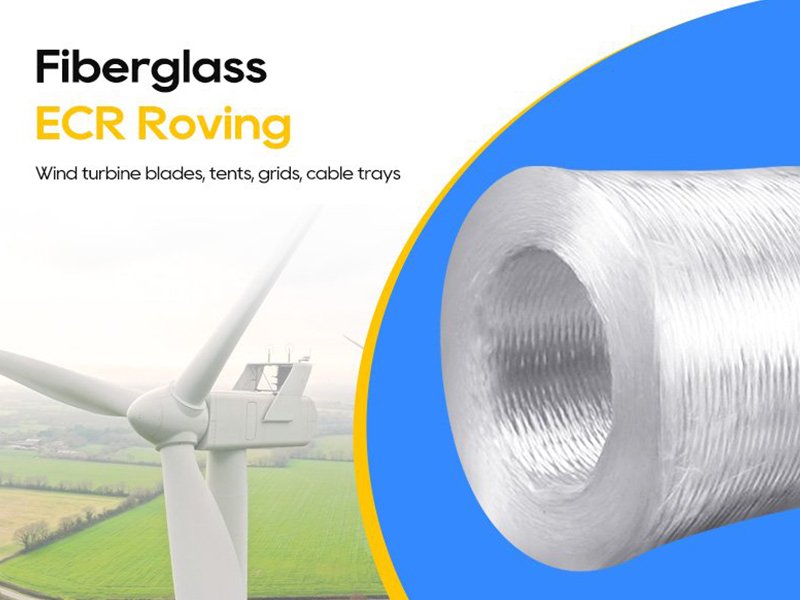
Why 70% of Composite Plants Waste Their Fiberglass Roving
Table of Contents
Add a header to begin generating the table of contents
Introduce
In this guide, we’ll break down the science behind roving performance degradation, explain why premium direct fiberglass roving is the most reliable investment for your production line, and walk through practical steps for proper handling and storage—whether you’re managing a small workshop inventory or a large-scale industrial supply chain.
Does Fiberglass Roving Lose Performance? Understanding Roving Degradation
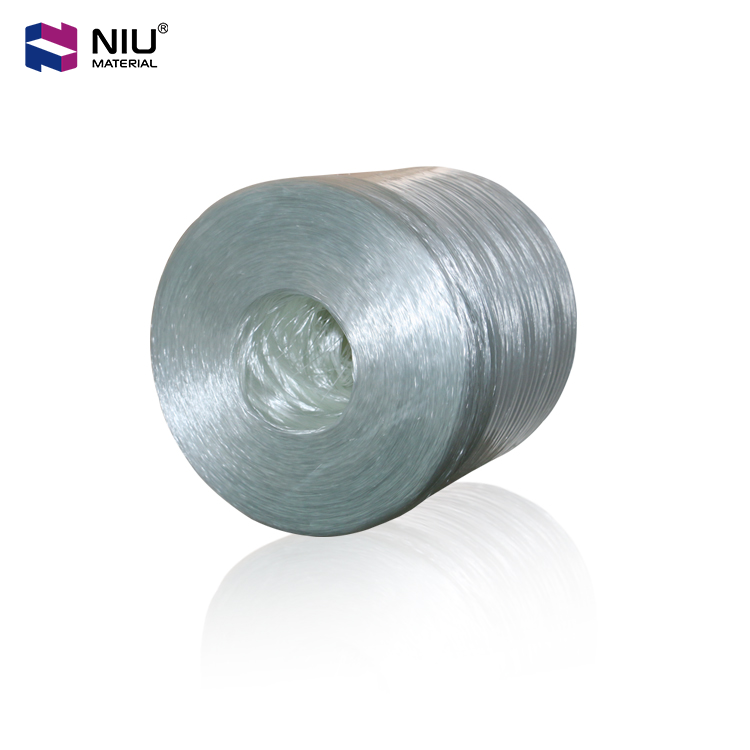
The short answer is yes—but not in the way steel rusts or wood rots.Fiberglass rovingrarely becomes structurally unusable overnight, but it can degrade in performance, leading to wasted materials, rejected parts, and hidden production costs. Instead of breaking down completely, roving loses its optimal processing characteristics: it develops excess fuzz, suffers reduced tensile strength, and resists proper resin wet-out.
Fiberglass Roving Doesn’t “Spoil,” But It Loses Critical Performance
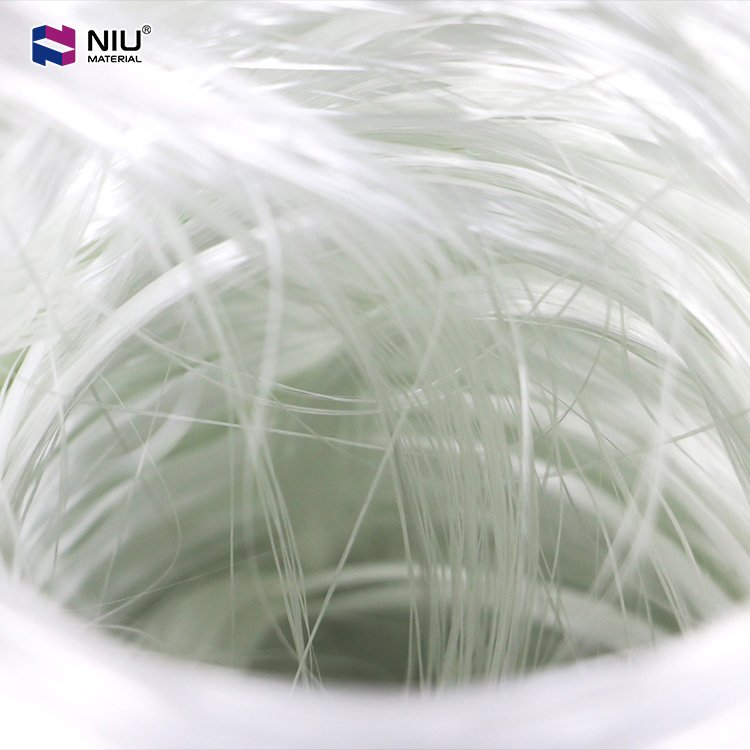
Think of fiberglass roving as a precision-engineered bundle of thousands of individual glass filaments, coated with a specialized sizing agent to bond with resin. These filaments and their sizing are what deliver the legendary strength and compatibility of composite materials. However, they are highly sensitive to environmental stressors. When exposed to excess moisture, the sizing layer can break down, causing poor resin adhesion and weak final parts. When rubbed or abraded during handling, filaments break, creating fuzz that clogs dies, disrupts winding processes, and creates weak points in finished products.
Research shows that performance degradation accelerates dramatically with temperature and humidity spikes. For every 10°C rise in storage temperature and 10% increase in relative humidity, the rate of sizing degradation can nearly double. If you’re storing your pultrusion fiberglass roving spools near a hot extrusion line or in an unventilated warehouse, you’re essentially fast-tracking performance loss and throwing away material value.
How Long Does Roving Stay at Peak Performance?
Peak processability is a moving target. Generally, direct fiberglass roving delivers its best performance within 6 to 12 months of manufacturing when stored correctly. After this window, the sizing chemistry begins to slowly break down, and filament integrity can decline, especially in subpar storage conditions.
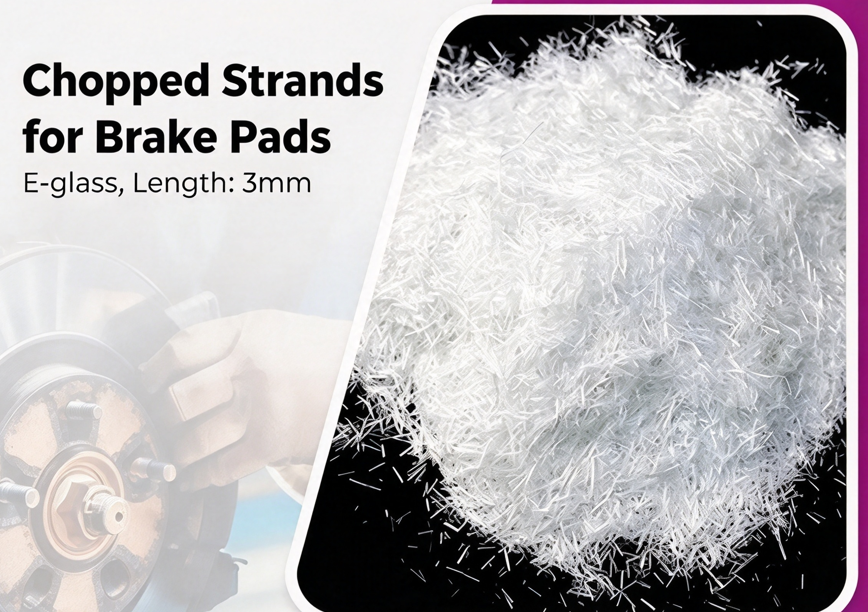
For cut or processed roving (such as chopped strands for SMC), the timeline is even shorter. Because cutting exposes more filament ends to air and moisture, processed roving can start to lose its optimal wet-out properties in just a few months. This is why proper packaging and airtight spool protection are non-negotiable for anyone who cares about production efficiency and part quality.
Opened or partially used spools: Best consumed within 1–2 months to avoid moisture damage and fuzz buildup
Why Premium Fiberglass Roving Is Non-Negotiable for Consistent Production
Premium Roving Delivers Consistent Filament Integrity and Low Fuzz
When shopping for reinforcement materials, you’ll find budget roving, mid-tier options, and premium-grade fiberglass roving. While each has its buyers, high-quality roving offers a unique set of long-term cost and performance benefits. This is why it’s the top choice for leading composite fabricators, wind energy manufacturers, and FRP product brands.
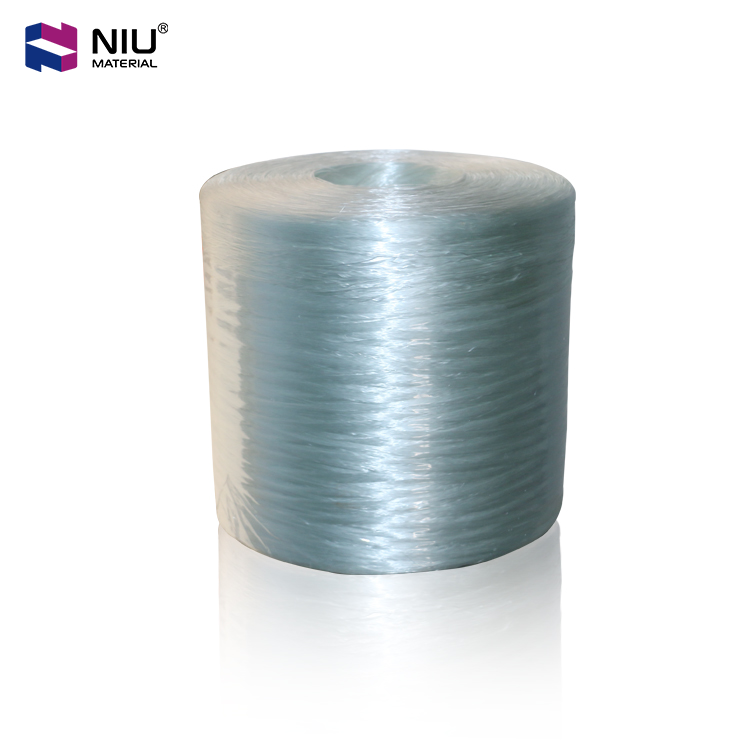
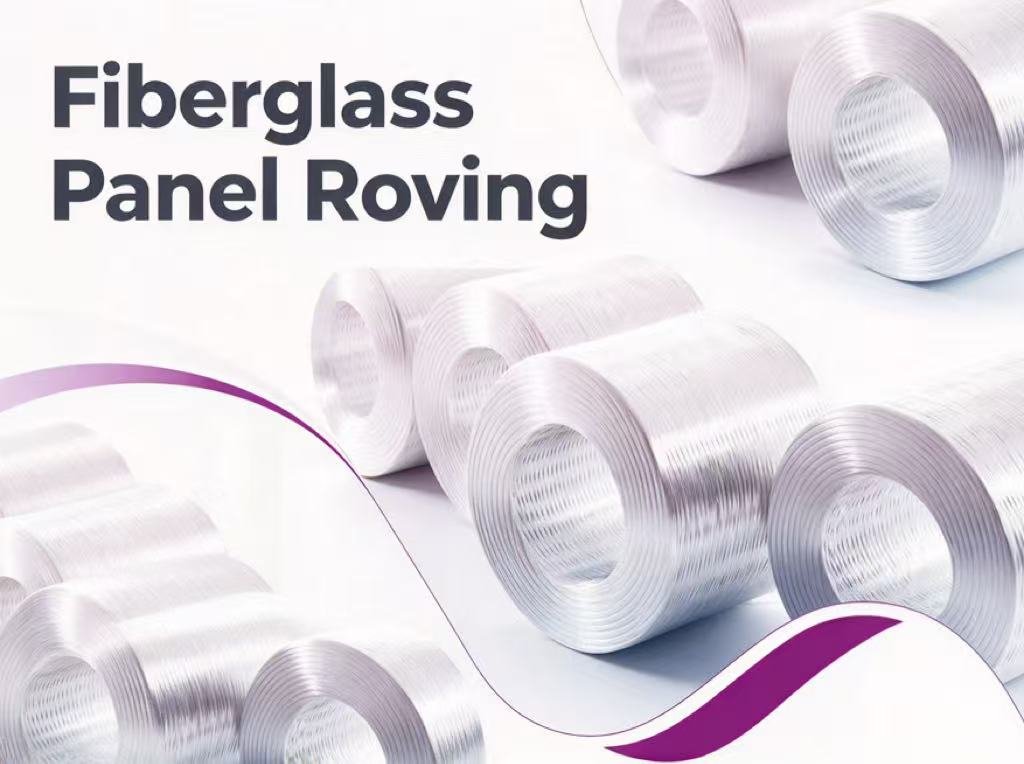
High-grade pultrusion fiberglass roving is manufactured with precise tension control and uniform sizing coating. Each filament is evenly aligned and protected, resulting in smooth processing, minimal fuzz, and reliable strength across every meter of roving. There’s no hidden waste from broken strands or rejected parts—every spool delivers predictable, repeatable performance.
The biggest driver of composite part strength is the bond between glass fiber and resin. Budget fiberglass roving often uses a one-size-fits-all sizing that works poorly with polyester, vinyl ester, and epoxy resins alike. This leads to delamination, weak interlaminar shear strength, and premature part failure.
Premium high-strength fiberglass roving comes with application-specific sizing formulas tailored to pultrusion, filament winding, SMC, and other processes. This specialized coating creates a strong chemical bond between glass and resin, unlocking the full tensile strength of the fiber and ensuring your finished parts meet industry strength and durability standards.
How to Handle and Store Fiberglass Roving the Right Way
Getting the most out of your fiberglass roving isn’t just about buying a premium product—it’s about protecting that investment from the moment it arrives at your facility. Here’s a step-by-step framework to keep your roving performing at its best.
Step 1: Match the Roving Grade to Your Exact Process
Not allfiberglass rovingis created equal, and using the wrong type for your process is the fastest way to waste money. Before you stock inventory, confirm:
Process type: Pultrusion requires pultrusion fiberglass roving with high abrasion resistance; filament winding needs smooth, low-tension filament winding roving; SMC production calls for dedicated SMC fiberglass roving with fast-cutting properties.
Resin system: Match the roving sizing to your resin (polyester, vinyl ester, epoxy) for maximum bond strength.
Linear density: Choose the right tex (weight per 1000m) for your product design to avoid over-engineering or under-strength parts.
Step 2: Inspect and Seal Spools Upon Delivery
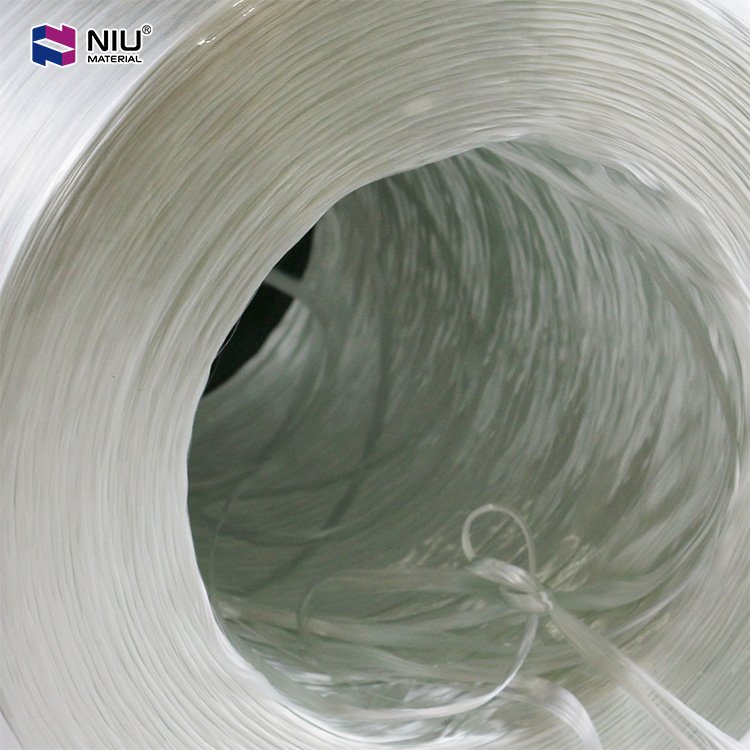
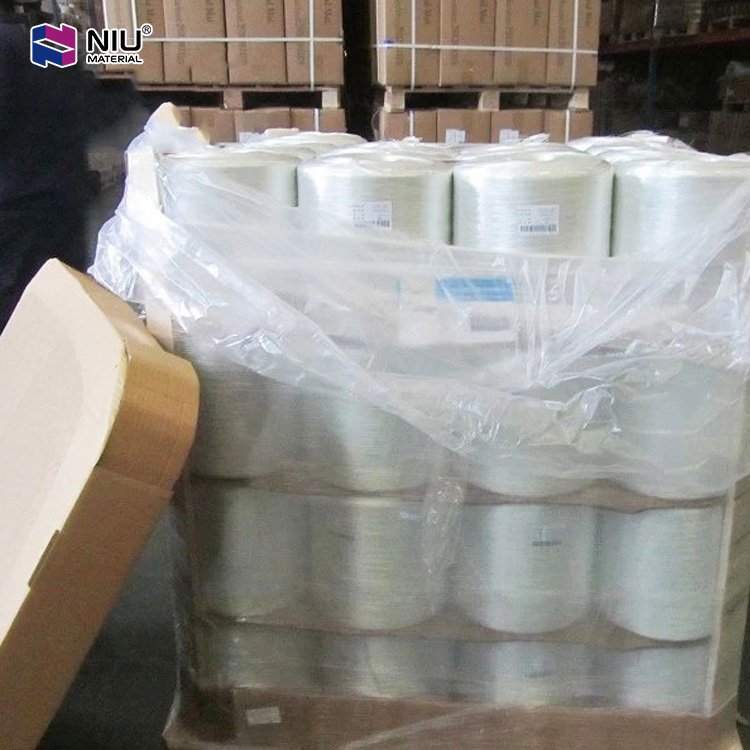
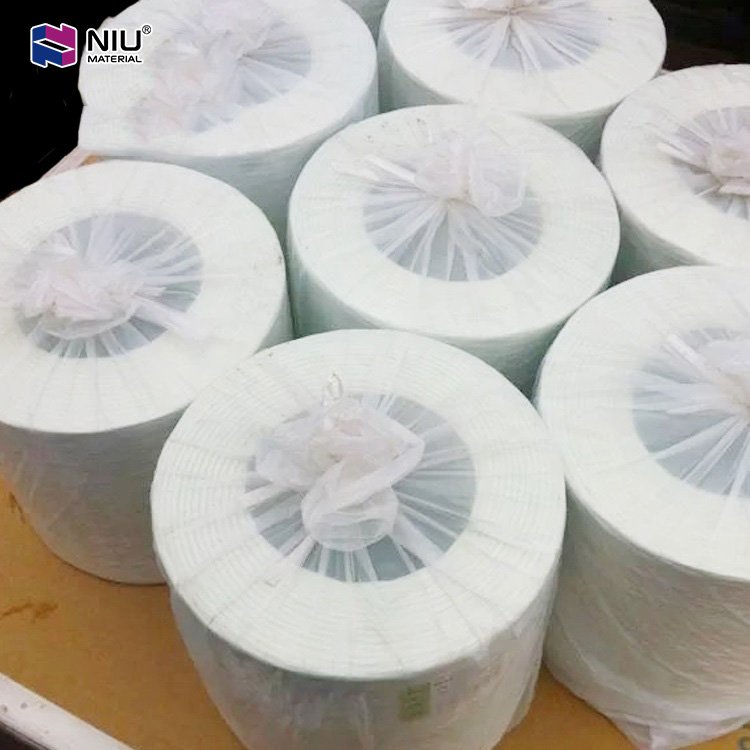
This might seem obvious, but many factories skip this critical step. When a shipment ofE-glass fiberglass roving arrives, inspect every spool for damage to the protective wrapping. Even a small tear in the plastic wrap can let moisture seep in and degrade the sizing over time. If a spool is damaged, seal it immediately with plastic wrap or move it to priority use. For partially used spools, always reseal the plastic wrap tightly between shifts.
Step 3: Store in a Cool, Dry, Dark Environment
While plastic wrapping provides a strong barrier, long-term exposure to heat, humidity, and direct UV light will slowly degrade even the bestalkali-resistant fiberglass roving.
Keep storage area temperature between 15–25°C with relative humidity below 65%.
Store spools away from windows, heating vents, and production machinery that generates excess heat.
Keep spools upright on pallets, not directly on concrete floors, to prevent moisture absorption from the ground.
For facilities in humid climates, use dehumidifiers in storage areas to extend roving shelf life.
Step 4: Avoid Abrasion and Unnecessary Handling
Every time a spool is dragged, dropped, or rubbed against hard surfaces, filaments break and fuzz forms. Always move spools with proper lifting equipment, and never roll them across concrete floors. On the production line, ensure all guide eyes and rollers are smooth and free of burrs to prevent filament abrasion as direct fiberglass roving feeds into the process.
How Niumaterial Industrial Supports Fabricators with Premium Roving Solutions
At Niumaterial Industrial, we know the global fiberglass supply chain inside and out. Based in Hebei, China, we’ve spent years mastering fiberglass manufacturing and quality control, with advanced production lines and a strict quality management system. We partner with businesses of all sizes—from local composite workshops to large global wind energy and construction distributors.
Our fiberglass roving products meet the highest international standards, including ISO 9001 and ASTM compliance, so you can trust that every spool delivers consistent, safe, high-performance reinforcement. We don’t just sell roving; we provide tailored material solutions. Whether you need specialized alkali-resistant fiberglass roving for GRC panels, high-performance pultrusion fiberglass roving for FRP profiles, or bulk SMC fiberglass roving for molded parts, we can handle it. We also offer custom tex options, private labeling, and technical support to match your exact production needs.
We serve industries across construction, automotive, aerospace, marine, and renewable energy. For composite brands selling in Europe, North America, or Southeast Asia, having a reliable, experienced fiberglass supplier is the key to long-term success. We make sure your reinforcement materials are as reliable and high-quality as the finished products you build.
In Conclusion
Using and storing fiberglass rovingcorrectly is a simple but powerful way to protect your material investment and respect the engineering that goes into every composite part. By shielding roving from moisture, heat, abrasion, and improper handling, you ensure every finished part delivers the strength, durability, and finish your customers expect. For businesses, smart roving selection and management are a smart investment in your production efficiency and brand reputation.
Whether you’re sourcing material for a single production line or looking for a long-term wholesale partner for your composite brand, remember: the quality of your roving defines the quality of your product. Choose premiumE-glass fiberglass rovingfor its consistency, reliability, and proven performance across every composite process. Here’s to stronger composites, less waste, and more efficient production—done the right way.
Do you want to know the technical parameters and TDS of products?
You can leave the specifications and contact information you need~ Our technicians will immediately organize the exclusive information for you and send it to your email!
Interested in this specification?
You can leave your contact information here, and we will send you detailed specifications and application cases to make your purchase clearer~
Contact us via email
You can leave a message about the fiberglass and other composite materials you are interested in/looking for.
We will send you a clear quotation (including product price + shipping cost) within 12 hours.
How can we help you?
You can leave a message about the fiberglass materials you are interested in/looking for.
We will send you a clear quotation (including product price + shipping cost) within 12 hours.