Why Your Roof Keeps Failing Early: The Untold Impact of a Quality Fiberglass Roof Mat
Table of Contents
Add a header to begin generating the table of contents
Introduce
Leaking seams, cracked waterproof layers, and shortened roof service life are among the most costly headaches for building owners and construction contractors. Many teams focus only on upgrading waterproof coatings or adjusting construction techniques, yet they overlook the most foundational component that determines long-term roof stability: the reinforcement base layer.
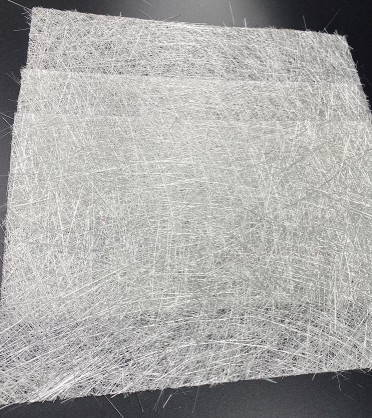
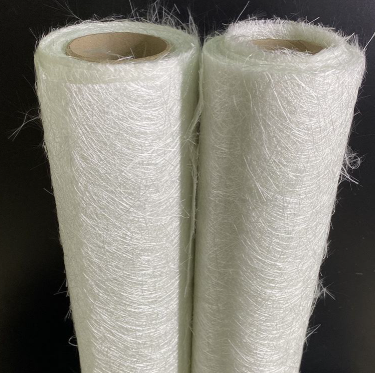
A high-quality fiberglass roof mat acts as the structural backbone of modern waterproof roofing systems. Far more than a simple underlayment, it reinforces the waterproof membrane, distributes structural stress, resists cracking from temperature changes, and extends the overall service life of the entire roof. For commercial buildings, residential projects and public infrastructure, choosing the right roofing reinforcement mat directly reduces maintenance costs and avoids unplanned repair work.
This guide breaks down everything you need to know about fiberglass roofing mats — from performance advantages and product categories to selection criteria and custom bulk sourcing. Whether you are a roofing contractor, building material distributor or project developer, understanding this core material will help you deliver more durable, reliable and cost-effective roofing solutions.
Why Fiberglass Roof Mat Is a Game-Changer for Roofing Performance
Boosting Crack Resistance Before Waterproofing Fails
The biggest cause of roof leakage is cracking of the waterproof layer caused by foundation settlement, temperature fluctuations and structural deformation. Ordinary waterproof membranes alone cannot withstand long-term stress, and cracks often appear within 2–3 years, leading to water seepage.
Roof reinforcement fiberglass mat is embedded between waterproof layers to form a high-strength reinforcement network. Its high tensile strength evenly disperses structural stress, preventing small local cracks from expanding into large-scale damage. For modified asphalt waterproofing systems and polymer waterproof membranes, adding a layer of fiberglass mat can increase the crack resistance of the waterproof layer by more than 3 times.
Extending the Overall Service Life of the Roof System
A roofing system is only as durable as its weakest layer. Low-quality base mats degrade quickly under UV radiation, high temperatures and moisture, losing their reinforcement effect and causing the entire waterproof structure to fail prematurely.
Premium non-woven fiberglass roof mat has excellent weather resistance, aging resistance and corrosion resistance. It does not rot or deteriorate in long-term humid and high-temperature environments, and maintains stable mechanical properties for more than 15 years. This directly extends the service life of the entire roof system and reduces the frequency of roof overhaul and replacement.
Improving Construction Efficiency and Finishing Quality
For construction teams, the laying quality of the base layer directly affects the progress and final effect of subsequent waterproof construction. Fiberglass roof mats have a flat surface, uniform texture, and good flexibility, so they can be laid quickly on flat roofs, sloped roofs and special-shaped surfaces.
Compared with traditional polyester mats and paper-based base materials, glass fiber roofing underlayment mathas better dimensional stability, does not shrink or deform when heated, and avoids problems such as wrinkling and hollowing after the waterproof layer is applied. This reduces rework during construction and ensures a more uniform and reliable waterproof effect.
Common Fiberglass Roof Mat Types and Their Target Applications
Just like whiskey bottles of different colors match different brand positioning, fiberglass roof mats of different specifications are designed for different roofing systems and working conditions. Below are the most widely used commercial grades and their applicable scenarios.
High Tensile Fiberglass Roofing Mat
High tensile fiberglass roofing mat is the mainstream grade for large-scale commercial roofing projects. It uses high-strength glass fiber as raw material, with high longitudinal and transverse tensile strength, and can withstand strong structural stress and temperature deformation.
It is the preferred reinforcement base material for modified asphalt waterproof membranes, self-adhesive waterproof coils and large-span roof systems. It is widely used in factory buildings, logistics warehouses and commercial complex roofs, and can effectively prevent waterproof layer cracking caused by large-area structural deformation.
Alkali-resistant fiberglass roof mat is coated with a special alkali-resistant protective layer, which can maintain stable performance in high-alkaline environments such as cement mortar and concrete base layers.
It is mainly used for rigid waterproof roofing systems, cement-based protective layers and GRC roof components. It avoids the problem of rapid fiber degradation and strength loss of ordinary fiberglass mats in alkaline environments, and is an essential reinforcement material for cement-based roofing systems.
Bitumen-Compatible Fiberglass Mat
Bitumen-compatible fiberglass mat is professionally formulated for asphalt waterproofing processes, with excellent asphalt impregnation performance and bonding fastness.
It is the core base material for SBS/APP modified asphalt waterproof membranes. After being fully impregnated with asphalt, it forms a high-strength waterproof coil with uniform thickness and stable performance, which is the mainstream solution for industrial and civil building waterproofing.
Core Factors to Evaluate When Selecting a Fiberglass Roof Mat
Matching Degree with Roofing System and Base Layer
First of all, it is necessary to clarify the type of waterproof material and the properties of the base layer. For asphalt waterproofing systems, priority should be given tobitumen-compatible fiberglass mat with good impregnation performance; for polymer waterproof membranes, products with smooth surface and good bonding performance should be selected; for cement base layers, alkali-resistant products must be selected. Mismatched materials will lead to problems such as poor bonding and delamination between the mat and the waterproof layer, which will affect the overall waterproof effect. Before finalizing the selection, it is best to conduct a matching test with the supporting waterproof material.
Tensile Strength and Dimensional Stability
Tensile strength is the core performance indicator of fiberglass roof mats. High-quality products have uniform longitudinal and transverse strength, which can resist stress in all directions. Products with too low strength are easy to tear during construction and use, and lose their reinforcing effect.
At the same time, dimensional stability under high temperature and humidity cannot be ignored. High-qualityfiberglass roof mathas a low heat shrinkage rate, and will not wrinkle or deform due to temperature changes during construction and use, ensuring that the waterproof layer is always flat and tight.
Weight Thickness and Construction Adaptability
Fiberglass roof mats of different weights and thicknesses are suitable for different construction processes and project grades. Lightweight products are suitable for sloped roofs and lightweight steel structure roofs with low load-bearing capacity; heavy-duty thick products are suitable for commercial roofs and industrial plants with higher performance requirements. In addition, the flexibility and cutting performance of the product will also affect construction efficiency. Products with good flexibility are easier to fit special-shaped structures such as corners and pipes, and the construction speed is faster and the closing effect is better.
Long-Term Weather Resistance and Service Life
Roof systems are exposed to sun, rain and temperature changes all year round, so the weather resistance of reinforcement materials is directly related to the service life of the entire system.
High-quality fiberglass roof mats have excellent UV resistance, high temperature resistance and frost resistance. They will not age and pulverize quickly in extreme climates, and can maintain stable performance for more than 10 to 15 years. For key projects with long design life, it is necessary to select products with aging resistance test reports and clear service life commitments.
Cost Performance and Total Lifecycle Cost
When purchasing, you should not only look at the unit price per square meter, but also calculate the total cost of the entire life cycle. Low-priced low-quality mats have short service life and high maintenance frequency, but the total cost is higher instead.
High-quality fiberglass roof mats have a slightly higher initial investment, but they can significantly extend the roof service life, reduce later maintenance and replacement costs, and have a higher return on investment in the long run. For large-scale projects, choosing high-quality reinforcement materials is a more cost-effective solution.
How Professional Manufacturers Produce Custom Fiberglass Roofing Mats
High-quality fiberglass roof mats do not come from simple processing, but rely on precise process control and formula adjustment at every link. Professional manufacturers mainly achieve product differentiation and customization through the following three links.
Wet Forming Process and Raw Material Ratio Control
The production of fiberglass roof mats mostly adopts the wet forming process. Glass fibers of different lengths and compositions are dispersed into a uniform fiber slurry in water, and then formed into a continuous mat body through forming, suction filtration and other processes.
The fiber length, fiber diameter and raw material ratio directly determine the basic performance of the product. For example, high-strength alkali-free glass fiber is used to make high tensile fiberglass roofing mat, and alkali-resistant glass fiber is used as raw material to produce alkali-resistant products. The precise control of the forming process ensures the uniform texture and stable performance of each roll of product.
Binder Formula and Surface Functional Treatment
The binder is the key to fixing the fiber structure and endowing the mat with different properties. Different binder formulas can create products with different hardness, flexibility, water resistance and compatibility.
For example, adding a water-repellent component to the binder can produce waterproof fiberglass roof mat; using an alkali-resistant binder formula can further improve the alkali resistance of the product. Surface treatment processes such as dipping and coating can also add functions such as asphalt compatibility and anti-static properties to the product to meet the needs of different working conditions.
Full Process Quality Control and Consistency Guarantee
For bulk engineering projects, the consistency of each roll of products is as important as the performance of a single sample. Professional manufacturers will set up multiple quality inspection links in the whole process from raw materials to finished products.
Key indicators such as gram weight, thickness, tensile strength and water absorption rate are tested online in real time to ensure that the performance deviation of each batch of products is within a strict range. For customized products, color difference, specification tolerance and surface quality will also be strictly controlled to ensure that the mass-produced products are completely consistent with the confirmed samples.
In Conclusion
A fiberglass roof mat is far more than an inconspicuous base layer under the waterproof membrane — it is the structural backbone that determines the crack resistance, service life and overall reliability of the entire roof system. From high-tensile commercial models to waterproof and alkali-resistant special models, each grade of product targets different project pain points and application scenarios.
For roofing contractors, building material distributors and project developers, choosing the right fiberglass roofing reinforcement material means fewer later leaks, lower maintenance costs and more durable engineering quality.
Whether you need standard bulknon-woven fiberglass roof mator custom-formulated alkali-resistant fiberglass roof mat for special projects, a professional fiberglass product manufacturer can provide technical support and production capacity guarantee matching your project, and help you deliver high-quality roofing solutions with both performance and cost-effectiveness.
Do you want to know the technical parameters and TDS of products?
You can leave the specifications and contact information you need~ Our technicians will immediately organize the exclusive information for you and send it to your email!
Interested in this specification?
You can leave your contact information here, and we will send you detailed specifications and application cases to make your purchase clearer~
Contact us via email
You can leave a message about the fiberglass and other composite materials you are interested in/looking for.
We will send you a clear quotation (including product price + shipping cost) within 12 hours.
How can we help you?
You can leave a message about the fiberglass materials you are interested in/looking for.
We will send you a clear quotation (including product price + shipping cost) within 12 hours.