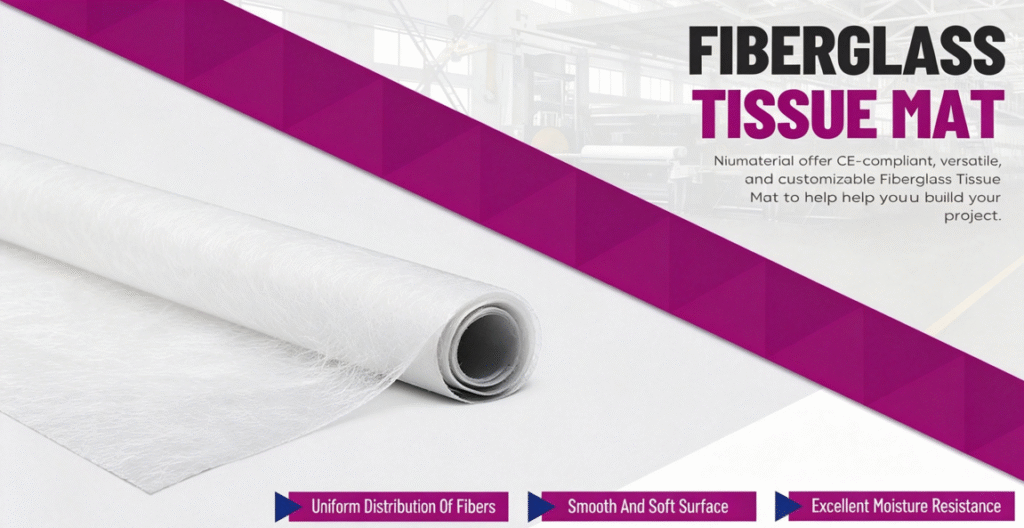
Why Is Fiberglass Tissue Mat the Detail Behind a Better Composite Surface?
Table of Contents
Add a header to begin generating the table of contents
Introduce
When manufacturers look at a finished composite product, the first thing they often notice is the surface. Is it smooth? Does it look uniform? Does the resin finish appear clean and consistent? Behind these details, there is often an important reinforcement layer that receives less attention: Fiberglass Tissue Mat.
Unlike heavier reinforcement materials designed mainly for structural buildup, a lightweight fiberglass surface mat is often selected when manufacturers want to improve surface appearance while adding a fine layer of reinforcement. This makes it particularly useful for composite products where appearance and performance need to work together.
The Difference You Can See
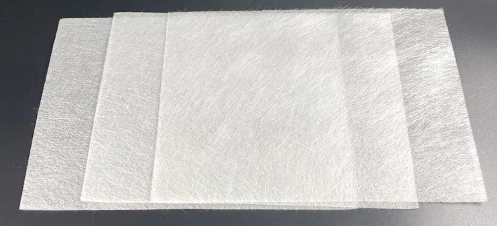
A composite surface can tell a story about the materials used inside it. A well-distributed fiberglass tissue can help create a more uniform surface layer and provide a suitable base for resin systems. For manufacturers producing visible FRP components, this can make a noticeable difference in the final appearance.
The purpose is not simply to make a product look better. The right surface tissue mat can also help create a consistent interface between the resin and the composite surface. Depending on the product design, it can contribute to surface quality, handling characteristics, and resistance to environmental exposure.
When the Surface Matters More
Not every composite product needs the same type of reinforcement. A structural component may prioritize strength and thickness, while a decorative panel, FRP housing, or molded surface may place greater importance on appearance. This is where fiberglass veil mat becomes an attractive option.
Its lightweight structure allows manufacturers to add a fine reinforcement layer without making the finished composite unnecessarily heavy. When properly selected for the resin and manufacturing process, it can support a cleaner and more consistent surface.
From a Thin Layer to a Stronger Result
The performance of afiberglass reinforcement matdepends on more than the glass fiber itself. Fiber distribution, basis weight, binder system, thickness, resin compatibility, and production consistency all influence how the material behaves during processing.
For example, a uniform fiber network can help resin spread more consistently through the mat. A suitable binder system can also influence handling and compatibility with the selected resin. These seemingly small details can become important when production volumes increase.
For manufacturers, the goal is therefore not simply to find a lightweight material. The goal is to find afiberglass composite matthat works reliably with the entire production system.
Made for More Than One Product
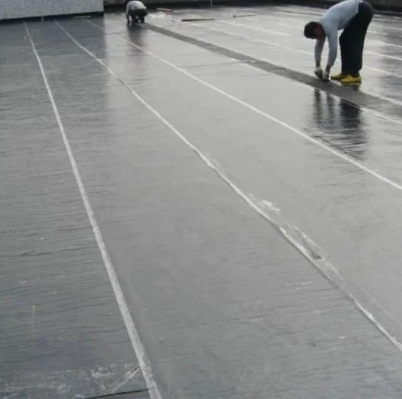
The versatility ofFiberglass Tissue Matis one of the reasons it continues to be used across different composite industries. Depending on the specification, it can be incorporated into roofing systems, waterproofing materials, FRP products, pipes, tanks, panels, and other composite structures.
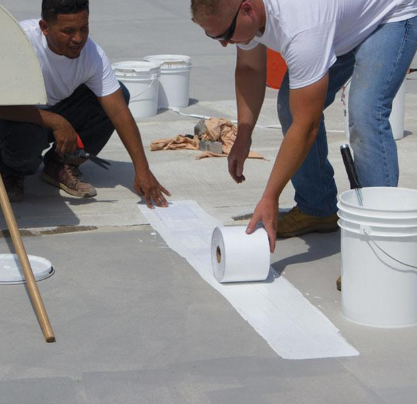
In roofing applications, a suitable fiberglass roofing tissuecan serve as a reinforcement substrate for waterproofing products. Its structure can help improve dimensional stability and provide a consistent base for subsequent processing.
Where Clean Surfaces Meet Real Performance
For FRP manufacturers, surface quality can be just as important as reinforcement. Products such as panels, covers, housings, sanitary components, and molded parts may remain visible after installation. A properly selected FRP surface mat can help create a more refined surface while working with the resin layer.
This is especially useful when the final product will be painted, coated, polished, printed, or otherwise decorated. A stable surface foundation can make subsequent finishing processes easier to manage and more consistent.
Small Specifications, Big Production Impact
When purchasing fiberglass mat tissue, buyers often focus first on price. However, the more important question is whether the selected specification fits the production process. Basis weight, width, roll length, thickness, binder content, and resin compatibility should all be considered together.
A lightweight tissue may be suitable for surface finishing, while another specification may be selected for roofing or corrosion-resistant composite applications. The best material is therefore not necessarily the heaviest or the cheapest—it is the one that matches the end product.
Consistency Is Where Quality Begins
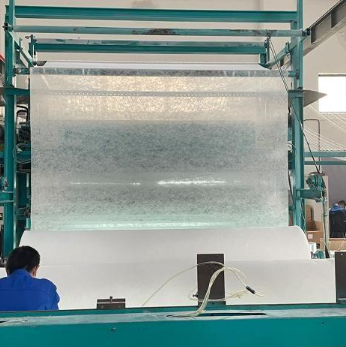
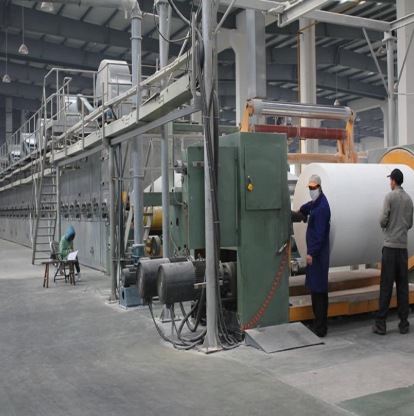
For high-volume composite production, consistency matters. Variations in fiber distribution, thickness, moisture, or roll quality can affect the way a material behaves during processing. This is why manufacturers need more than a good sample—they need stable production from batch to batch.
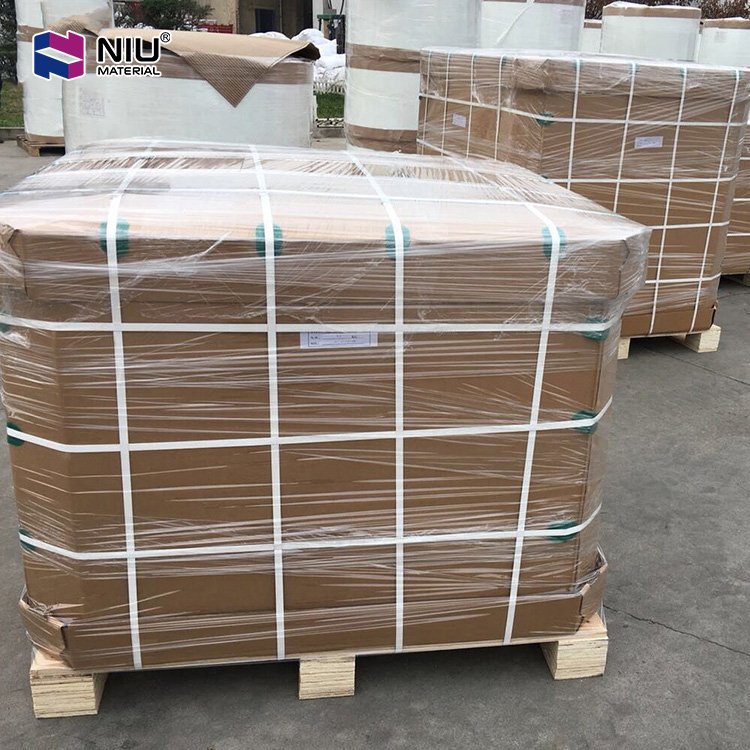
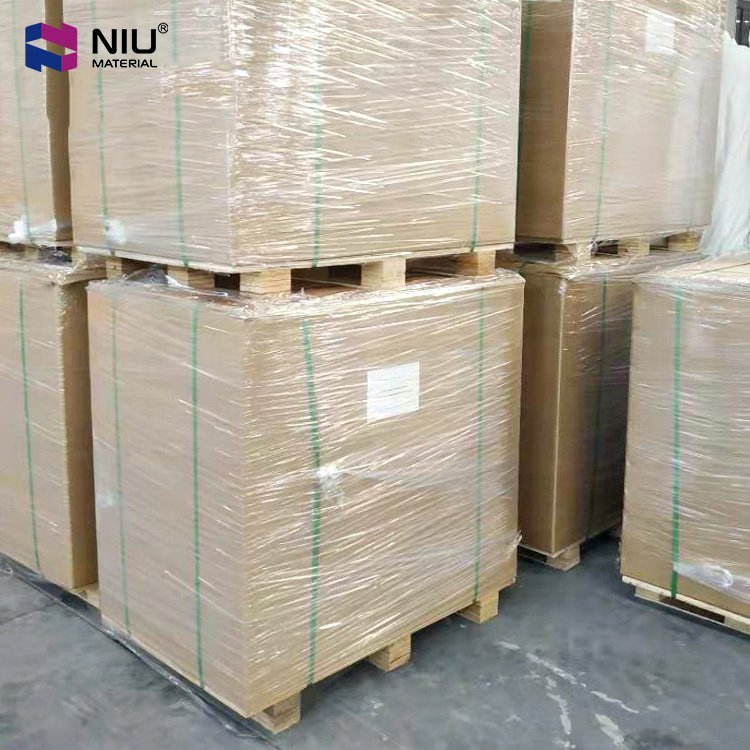
A professionalfiberglass tissue mat supplier should therefore pay attention to raw materials, production control, product inspection, roll winding, packaging, and storage. These factors may not be visible once the material is inside the customer’s factory, but they can influence production efficiency.
The Supplier Behind the Roll Matters
Choosing a fiberglass tissue manufacturer should not be based on product photographs alone. Buyers should consider production capability, quality control, available specifications, packaging, customization, technical communication, and the supplier’s ability to support repeat orders.
For manufacturers developing a new composite product, samples are particularly valuable. Testing the actual tissue with the intended resin and process can provide more useful information than relying only on a specification sheet.
This is also where a direct factory relationship can be useful. Buyers can communicate requirements such as basis weight, width, roll diameter, packaging, resin system, application, and purchasing quantity directly with the production team.
A Better Material Starts With a Better Match
There is no single Fiberglass Tissue Mat specification that fits every composite application. The right choice depends on the product design, resin system, manufacturing process, surface requirements, and expected service environment.
For roofing and waterproofing, buyers may prioritize substrate stability and resin or bitumen compatibility. For FRP surface applications, surface finish and resin wet-out may become more important. For other composite products, flexibility, handling, or corrosion resistance may influence the final specification.
The Right Roll Can Change the Final Result
A successful composite product is built from many small decisions. Resin selection, molding conditions, fiber reinforcement, surface treatment, and material consistency all contribute to the final result. Fiberglass Tissue Matcan play an important role when a project requires a lightweight surface reinforcement with a clean and consistent finish.
For buyers comparing different materials, the best approach is to look beyond the product name. Consider the required GSM, width, roll length, resin compatibility, application, packaging, and expected quantity. Then test the material under real production conditions before moving to large-volume purchasing.
If you are looking for a dependableFiberglass Tissue Mat supplier for roofing, waterproofing, FRP, pipe, panel, or other composite applications, choosing a manufacturer that can provide stable quality, suitable specifications, samples, and customized support can make the next stage of production much easier.
Let Your Next Surface Start Better
The right reinforcement does more than sit inside a composite. It becomes part of the way the finished product looks, performs, and lasts. From roofing systems to FRP panels and industrial composite products,Fiberglass Tissue Mat offers manufacturers a practical way to combine surface quality with lightweight reinforcement.
If you are planning a new composite project, start with the application and work backward to the material specification. Tell your supplier the product you are making, the resin system you use, the required GSM and width, and your estimated quantity. This information can help you find a more suitablefiberglass tissue mat for your production line.
Do you want to know the technical parameters and TDS of products?
You can leave the specifications and contact information you need~ Our technicians will immediately organize the exclusive information for you and send it to your email!
Interested in this specification?
You can leave your contact information here, and we will send you detailed specifications and application cases to make your purchase clearer~
Contact us via email
You can leave a message about the fiberglass and other composite materials you are interested in/looking for.
We will send you a clear quotation (including product price + shipping cost) within 12 hours.
How can we help you?
You can leave a message about the fiberglass materials you are interested in/looking for.
We will send you a clear quotation (including product price + shipping cost) within 12 hours.