Add a header to begin generating the table of contents
Introduce
A composite product can have the right resin, the right reinforcement, and the right production process—and still fall short when the fiber does not behave the way the application requires. This is whereFiberglass Bulked Yarn can make a practical difference.
Unlike conventional smooth fiberglass yarn, bulked yarn is processed to create a more open, voluminous fiber structure. This gives manufacturers a material that can provide better coverage, texture, insulation performance, and handling characteristics in applications where ordinary fiberglass yarn may not be enough.
Whether you are producing insulation materials, filtration products, composite fabrics, or other industrial reinforcement materials, choosing the rightbulked fiberglass yarn can influence both production efficiency and final product performance.
Where the Difference Begins
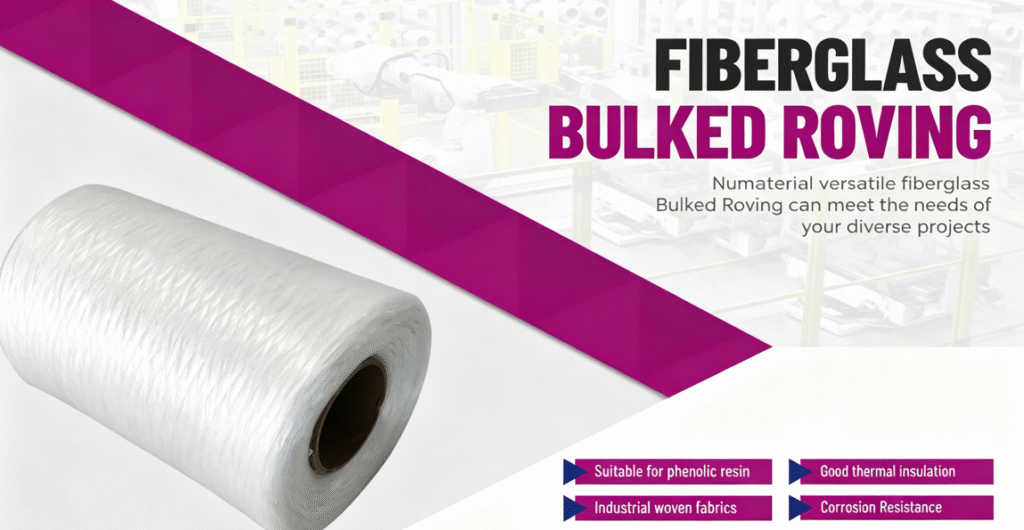
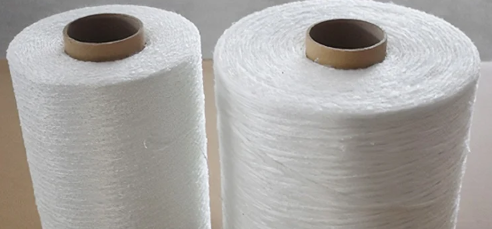
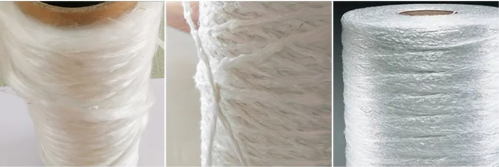
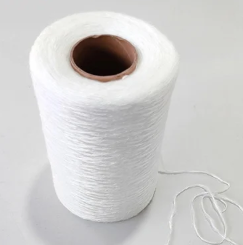
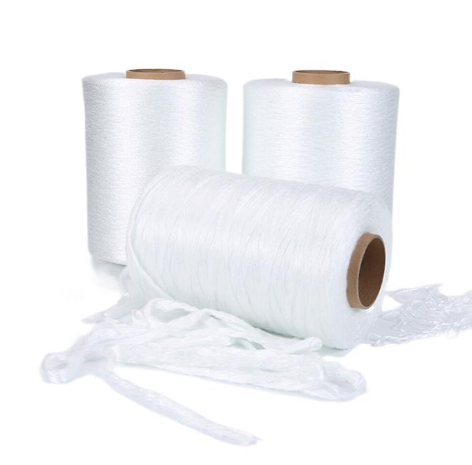
The key feature of Fiberglass Bulked Yarn is its expanded and fluffy structure. During processing, the continuous glass fiber yarn is treated to create greater bulk and a more three-dimensional appearance.
This structure can increase surface coverage compared with conventional fiberglass yarn. For manufacturers, that can mean better filling, improved contact with surrounding materials, and a softer or more textile-like handling experience.
The exact performance depends on the fiber type, yarn construction, tex, bulk level, and finishing system. For this reason, selecting a texturized fiberglass yarn should always start with the requirements of the final product rather than the yarn name alone.
Feel the Fiber
A good glass fiber bulked yarn should offer a balance between bulk, strength, flexibility, and processability. The yarn needs enough expansion to provide the desired coverage while maintaining sufficient integrity for production.
Fiber diameter and linear density also matter. Different specifications can create different levels of bulk and surface coverage. Common industrial fiberglass yarn products may be supplied in different tex ranges according to the customer’s equipment and end-use requirements.
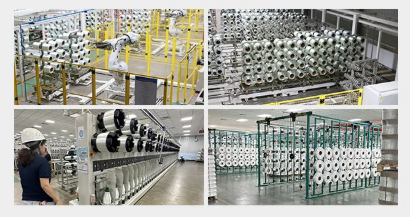
For automated production, stable unwinding is equally important. A yarn that expands well but feeds inconsistently can create interruptions, uneven coverage, or waste. That is why manufacturers should evaluate both the fiber structure and the package quality before placing a large order.
Made to Move
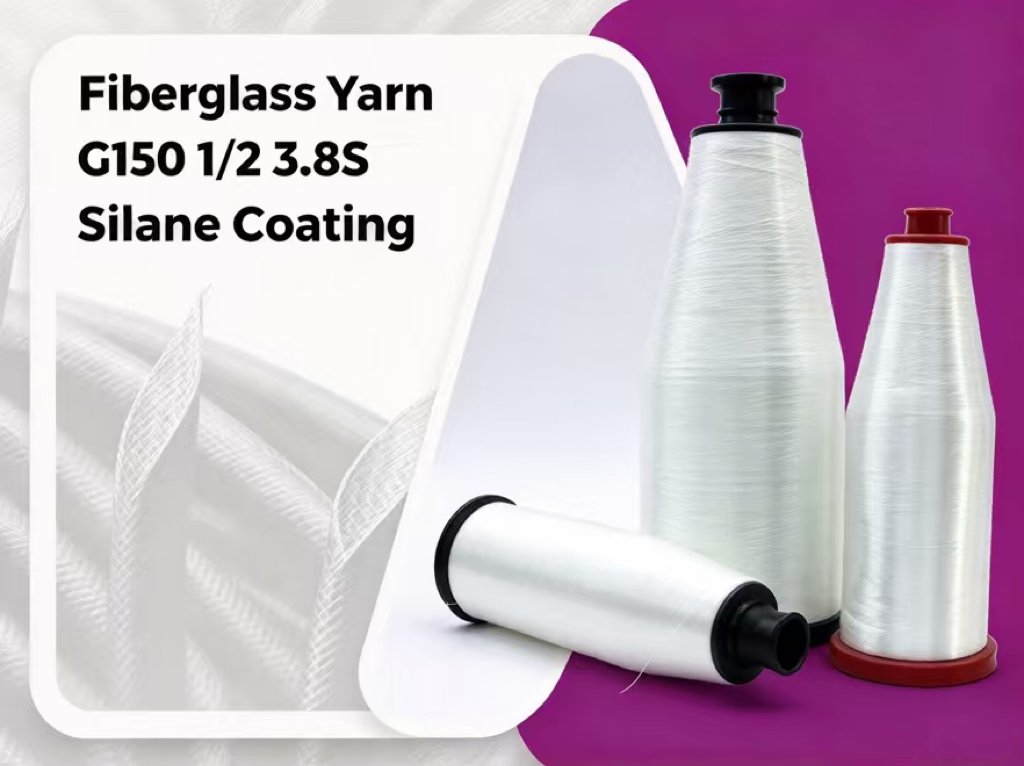
One advantage of bulk fiberglass yarn is its adaptability to different manufacturing processes. Depending on its construction, the material can be woven, braided, knitted, coated, or combined with other reinforcement materials.
The open structure allows the yarn to occupy more volume without simply adding more material weight. This can be useful when manufacturers need a combination of lightweight construction and effective surface coverage.
For example,fiberglass textured yarn can be incorporated into fabrics where improved thickness, texture, or coverage is required. It can also be processed together with resin systems, coatings, binders, or other fibers depending on the final product.
Ready for the Heat
Fiberglass is already widely selected for applications where temperature resistance and dimensional stability are important. With its expanded structure,high temperature fiberglass yarn can be particularly useful in thermal insulation and industrial textile applications.
Depending on the glass type and product construction, fiberglass yarn can withstand demanding thermal environments while maintaining its basic reinforcement structure. This makes it suitable for applications where conventional organic textile fibers may have limitations.
However, temperature resistance should always be evaluated according to the complete product system. The yarn, coating, binder, resin, and surrounding materials may each have different temperature limits.
More Than a Soft Touch
The open structure oftexturized glass fiber yarn can provide more than a different appearance. It can help create thicker textile structures, increase coverage, and contribute to thermal or acoustic insulation systems.
This is particularly useful when a manufacturer wants to achieve a specific material thickness without relying entirely on heavier yarn or additional layers.
In industrial applications, the combination of glass fiber’s inherent properties and the bulked structure can create a versatile reinforcement material. Depending on the design, the yarn may be used in insulation fabrics, thermal protection materials, filter-related products, and composite textile structures.
A Better Match for Every Process
Choosing the rightindustrial fiberglass yarn requires looking beyond the product specification. The manufacturing process itself should be considered.
For weaving applications, yarn tension and surface condition can influence machine performance. For braiding, flexibility and unwinding stability become more important. For insulation products, bulk and coverage may be the priority. For resin-based composites, compatibility between the sizing system and resin can become a key factor.
This is why a good supplier should be able to discuss the application, equipment, production speed, and target performance before recommending a specification.
What Buyers Should Look For
When purchasing Fiberglass Bulked Yarn, buyers should compare more than price per kilogram. Consistency is often more important for long-term production.
Important factors include yarn tex, filament diameter, bulk level, moisture content, sizing or finish, tensile strength, winding quality, package weight, and compatibility with the customer’s production process.
For high-volume users, batch-to-batch consistency is especially important. Small changes in yarn structure can affect fabric thickness, machine tension, resin consumption, or final product appearance. Reliable quality control therefore becomes an important part of the purchasing decision.
Small Details, Big Results
A high-quality fiberglass bulk yarn should arrive ready for production. Consistent winding helps the yarn unwind smoothly. Stable bulk characteristics help maintain uniform coverage. Controlled moisture and suitable packaging help protect the material during transportation and storage.
For manufacturers running continuous production, these details can translate into fewer interruptions and more predictable output.
The best specification is not necessarily the strongest or heaviest yarn. It is the one that fits the production line and delivers the required performance without creating unnecessary processing problems.
Start With the Right Fiber
The rightFiberglass Bulked Yarn can become an important part of a high-performance industrial textile or composite material. Its bulked structure provides opportunities for improved coverage, thickness, insulation, and material handling while retaining the fundamental advantages of fiberglass.
Before ordering, manufacturers should define the application, required tex, production method, temperature requirements, desired bulk level, and estimated purchasing volume. These details make it easier to select a yarn that fits the production process.
If you are sourcingbulk fiberglass yarn for insulation, industrial textiles, filtration, weaving, braiding, or composite applications, providing your product requirements allows the specification to be matched more accurately to your production needs.
In Conclusion
Fiberglass Bulked Yarn combines the inherent strength and thermal stability of fiberglass with a unique bulky fiber structure, making it a versatile choice for insulation, industrial textiles, filtration, weaving, braiding, and composite applications. By selecting the right bulked fiberglass yarn specification, tex, bulk level, and finish, manufacturers can achieve better coverage, stable processing, and consistent final-product performance. Whether you need standard specifications or customized industrial fiberglass yarn, working with an experienced supplier can help you find the right solution for your production requirements.
Do you want to know the technical parameters and TDS of products?
You can leave the specifications and contact information you need~ Our technicians will immediately organize the exclusive information for you and send it to your email!
Interested in this specification?
You can leave your contact information here, and we will send you detailed specifications and application cases to make your purchase clearer~
Contact us via email
You can leave a message about the fiberglass and other composite materials you are interested in/looking for.
We will send you a clear quotation (including product price + shipping cost) within 12 hours.
How can we help you?
You can leave a message about the fiberglass materials you are interested in/looking for.
We will send you a clear quotation (including product price + shipping cost) within 12 hours.