
- fiberglassnicole@gmail.com
- +86-13933702587
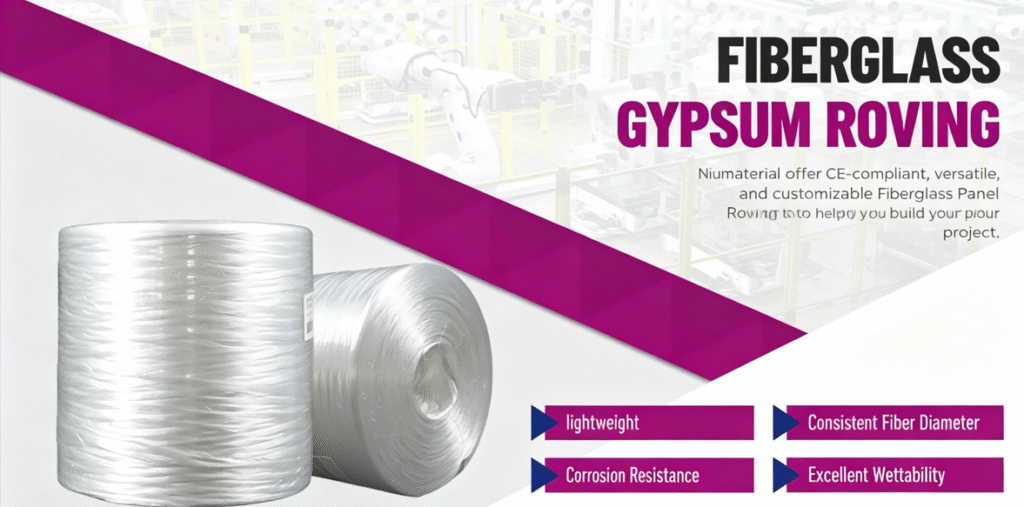
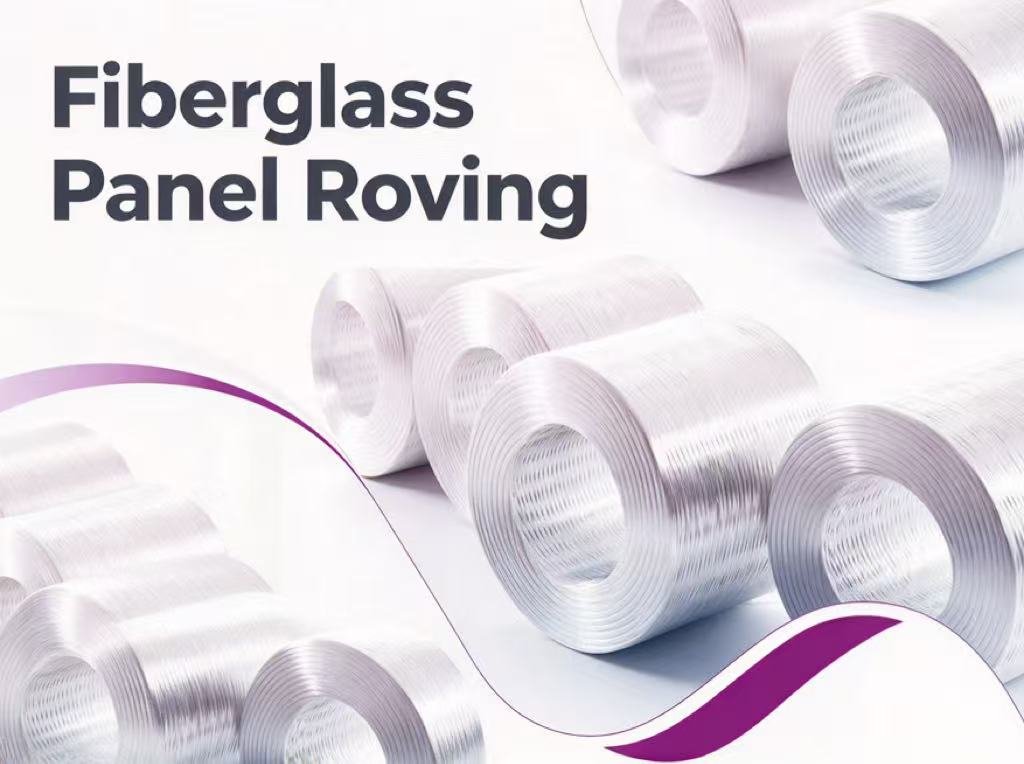
Fiberglass Panel Roving occupies a core position in the fiber-reinforced polymer (FRP) panel supply chain. It is engineered specifically for continuous flat panel production, delivering the structural integrity that turns basic resin systems into durable, high-strength composite panels. A panel manufacturer may source FRP panel reinforcement materials for improved impact resistance and dimensional stability, while fabricators specify reinforced panels for corrosion-resistant cladding and electrical insulation applications. In every case, the reinforcing roving does critical work.
While chopped strand mats and woven fabrics are still common in panel production, more premium FRP brands continue to integrate Fiberglass Panel Roving because of its superior fiber uniformity, efficient resin impregnation, and strong alignment with high-volume continuous manufacturing.
Specialized roving also delivers measurable cost and quality benefits for production lines. This article explains why panel-specific fiberglass roving works so well for FRP panel manufacturing, which specifications and grades deserve attention, and what B2B procurement teams should evaluate before placing a bulk order.
The global composite materials market has undergone a major shift in recent years. Architects, industrial engineers, and facility owners are increasingly focused on panels that deliver corrosion resistance, lightweight strength, weather durability, and design flexibility — moving far beyond traditional metal and concrete panel standards. High-performance FRP panels have benefited directly from this trend. Instead of settling for standard panels that only meet minimum requirements, many project teams now look for solutions with:
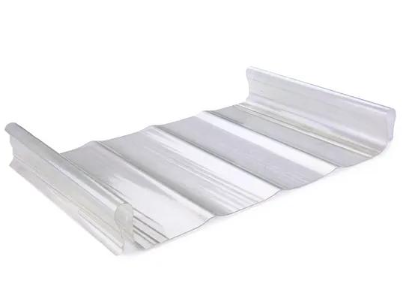
Fiberglass Panel Roving is one of the core reinforcing materials that makes this performance upgrade possible.
Many leading FRP manufacturers position their premium panel lines around engineering performance and long service life. They focus on the material science behind the panel, whether it comes from optimized fiber alignment, high-performance resin matrices, or precision curing processes.
Reinforcement plays an essential role in delivering these values. A well-formulated continuous filament roving can immediately improve panel consistency and load-bearing capacity. Compared with ordinary chopped strand mats, continuous roving provides more uniform stress distribution that professional fabricators associate with premium quality.
For distributors and fabricators, consistent high-performance reinforcement also improves product consistency and reduces field complaints. A reliable fiber specification can help product lines stand out among dozens of competing panel brands.
This is why demand for specialty continuous panel molding reinforcements continues to grow. FRP panel companies are not only looking for raw materials; they are looking for material solutions that support their brand reputation for quality and reliability.
Fiberglass Panel Roving is one of the most widely recognized structural reinforcements for modern FRP flat panels. Although it falls under the broader category of glass fiber reinforcements, panel-specific roving is formulated with specialized silane sizing designed to bond seamlessly with common panel resin systems.
Traditional FRP panel reinforcement relied heavily on chopped strand mats and woven roving fabrics, which can introduce thickness variation and slower impregnation speeds in high-speed lines.
Because of its proven track record in continuous lamination, alkali-resistant glass fiber roving has a strong connection with premium FRP panel technology. Many brands intentionally specify assembled panel roving to highlight their commitment to uniform panel quality.
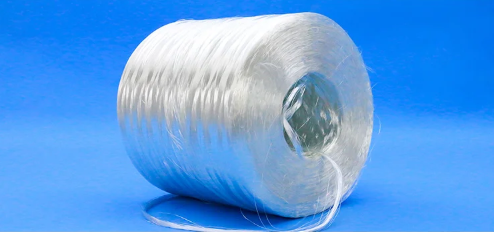
Incorporating fiberglass panel roving into continuous production creates a measurable performance difference that resonates with specifiers. Uniform filament diameter, consistent linear density, and purpose-built sizing help manufacturers deliver predictable strength across every square meter of panel.
For this reason, many companies producing high-grade FRP panels choose reinforcement materials that perform differently from standard fiber options. The roving becomes part of the product’s structural identity.
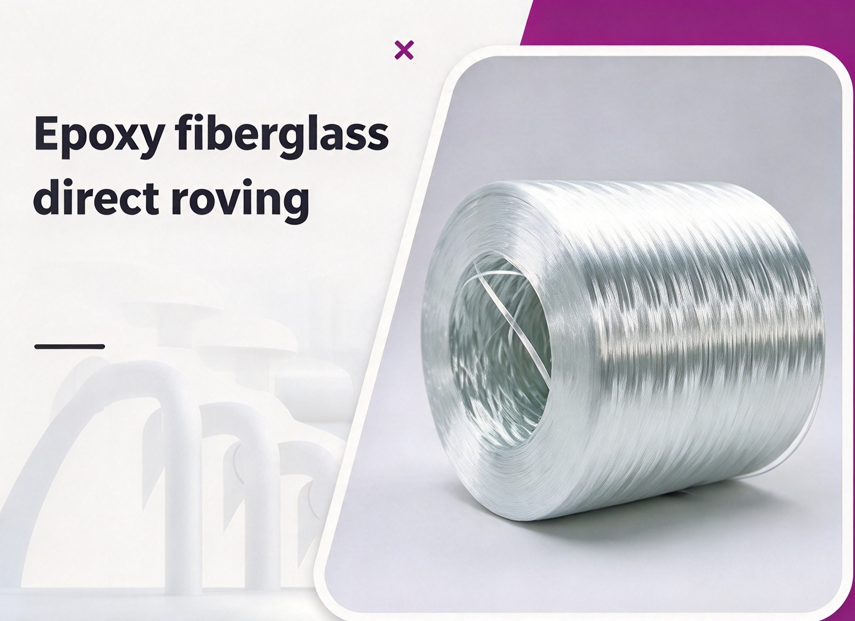
Popular product forms include direct roving for in-line chopping systems, as well as assembled multi-end roving when brands need higher throughput and greater uniform fiber dispersion across the full panel width.
Glass fiber roving for panels is engineered for fast, thorough resin impregnation. The silane sizing and untwisted filament structure allow resin to penetrate quickly and evenly across the fiber bundle, reducing void content and improving production line speeds. That matters for continuous panel molding lines where throughput and surface finish are critical. It gives the production process a dependable efficiency baseline, although resin viscosity, coating thickness, curing temperature, and line speed must still be managed as part of the full process.
Fiber reinforcement adds immediate structural credibility. Uniform fiber distribution improves panel flatness and mechanical consistency, while high-modulus glass grades can deliver extra stiffness for large-span panel designs. Assembled roving creates a more balanced reinforcement structure across the panel width, reducing warpage and ensuring predictable dimensional performance even under temperature fluctuations.
The aim is not reinforcement for its own sake. The material must still run smoothly on the chopper, disperse evenly across the resin bed, and meet cost targets for large-volume production.
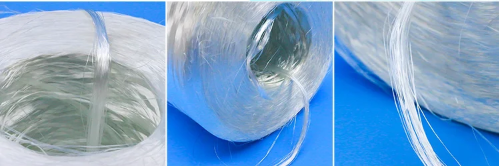
Glass fiber is an inorganic material that does not rust, rot, or degrade when exposed to moisture, chemicals, or UV radiation. This makes Fiberglass Panel Roving ideal for panels used in coastal facilities, chemical plants, wastewater treatment systems, and outdoor cladding applications. Yet fiber grade, sizing formulation, and resin selection all affect the overall corrosion performance.
Brands should therefore avoid overstated durability claims. Focus on measured performance data, match fiber grade to the end-use environment, and align with relevant industry standards where applicable.
A credible performance story is practical: use a corrosion-resistant reinforcement material, optimize fiber loading, and be transparent about the product’s actual service life under specific conditions.
Fiberglass reinforcement works particularly well for panels designed for harsh industrial and marine environments. These applications are not right for every product, but they show that material selection can directly extend panel service life.
Modern continuous panel lines run at high speeds and demand consistent fiber feeding and chopping performance. Experienced fiberglass manufacturers know that this is not just a question of “strong fiber.” The roving linear density, filament count, fuzz control, static resistance, and chopping performance must all match the production line parameters.
Manufacturers should validate the roving performance with their existing choppers and lamination equipment. Direct roving is familiar for high-volume standard lines; assembled multi-end roving can improve dispersion uniformity across wide panel formats. Special low-fuzz roving grades create cleaner production environments but need early qualification for line speed and fiber yield.
The practical rule is simple: select the roving grade and production setup together. A high-strength fiber paired with the wrong sizing is an expensive production issue.
Consistent linear density is an efficient form of production stability. A narrow tolerance in tex value ensures uniform fiber dosage across the full panel width. Low fuzz and low static roving helps reduce line downtime and fiber waste. Consistent filament diameter also improves uniform fiber dispersion and bonding with the resin matrix.
Brands should test a roving grade on their actual production line before committing. Does it chop cleanly? Does it disperse evenly in the resin coating? Does it maintain consistent feeding at full line speed? Does it match the intended panel weight target? A custom formulation should have a genuine purpose, such as improving strength efficiency or reducing production waste. It should not become an over-engineered material that raises cost without measurable benefit.
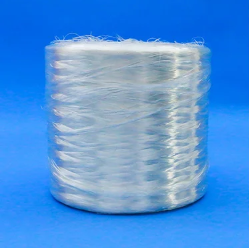
The sizing formulation affects fiber dispersion, resin adhesion, panel strength, and production environment. Standard panel roving sizing is optimized for unsaturated polyester and vinyl ester resin systems, the most common matrices in FRP panel production. Specialty sizing can be developed for epoxy or acrylic resin formulations, but they should be checked early for supply reliability and production compatibility.
Share technical details with the fiber supplier before trial production. A helpful brief includes panel design target, resin chemistry, line speed, chopper model, curing temperature, humidity control, target markets, and end-use conditions. It is much easier to select the correct sizing at the start than to troubleshoot bonding issues after full production begins.
Fiber grade supports both mechanical performance and product durability. E-glass alkali-resistant glass fiber provides balanced strength and cost for standard panel applications. High-modulus glass grades can deliver extra stiffness for large-span structural panels, while corrosion-resistant grades extend service life in aggressive chemical and marine environments.
The right grade depends on strength requirements, panel design, cost target, and end-use environment. Do not choose a higher grade only because it sounds better on a datasheet. Confirm that the performance gain justifies the cost premium and that the finished product meets the required industry standards.
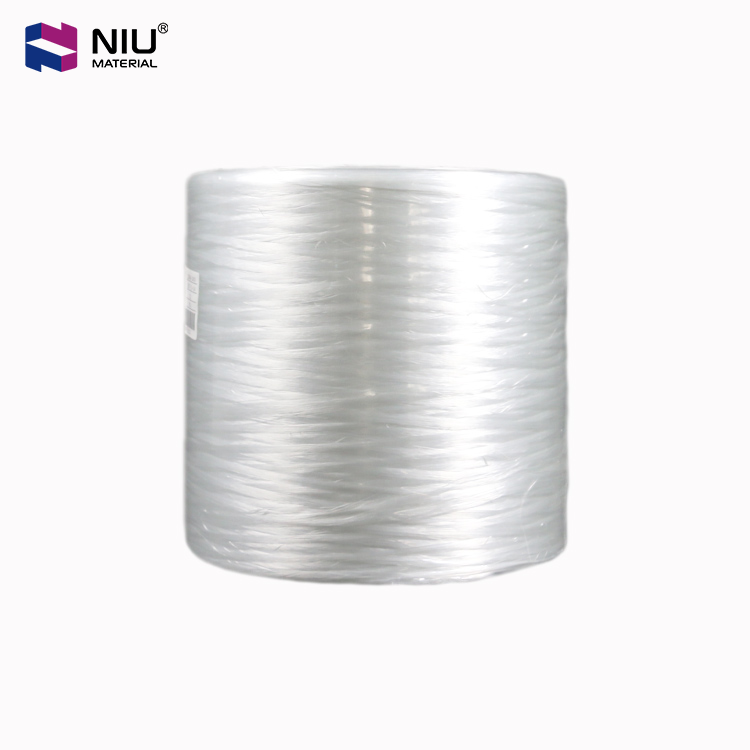
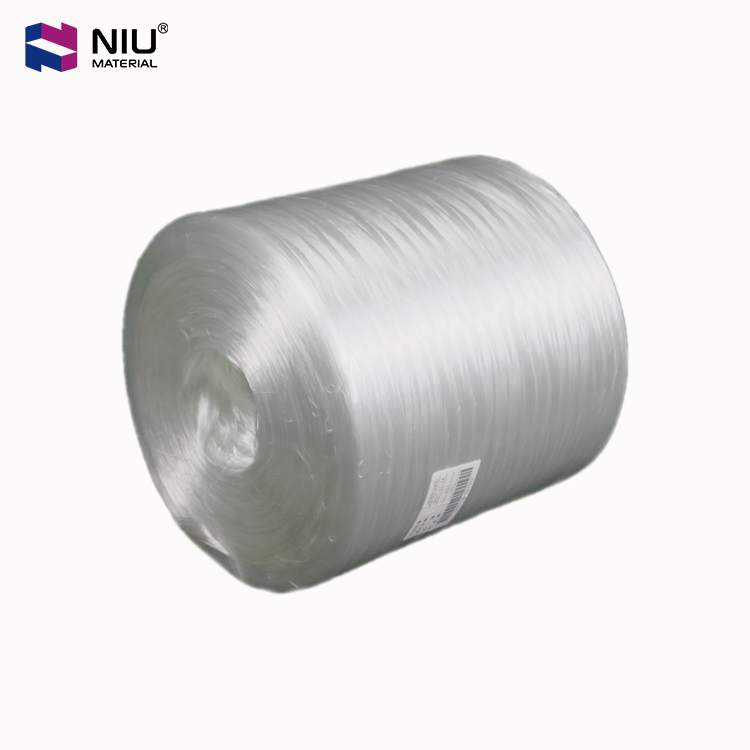
Consistency is where material supply becomes an operations issue. For bulk Fiberglass Panel Roving orders, buyers need stable tex values, dependable filament count, clean package forming, consistent sizing, suitable palletization, and agreed quality expectations across production lots.
A few perfect sample spools do not guarantee a smooth year-long supply. This also matters for companies sourcing fiberglass roving wholesale. Stock standard grades can shorten qualification time and reduce procurement cost. A custom program may require a longer schedule and larger order commitment, but it can create stronger product differentiation and exclusive supply security. Both routes are useful. The correct route depends on launch timing, expected volume, differentiation needs, and supply chain strategy.
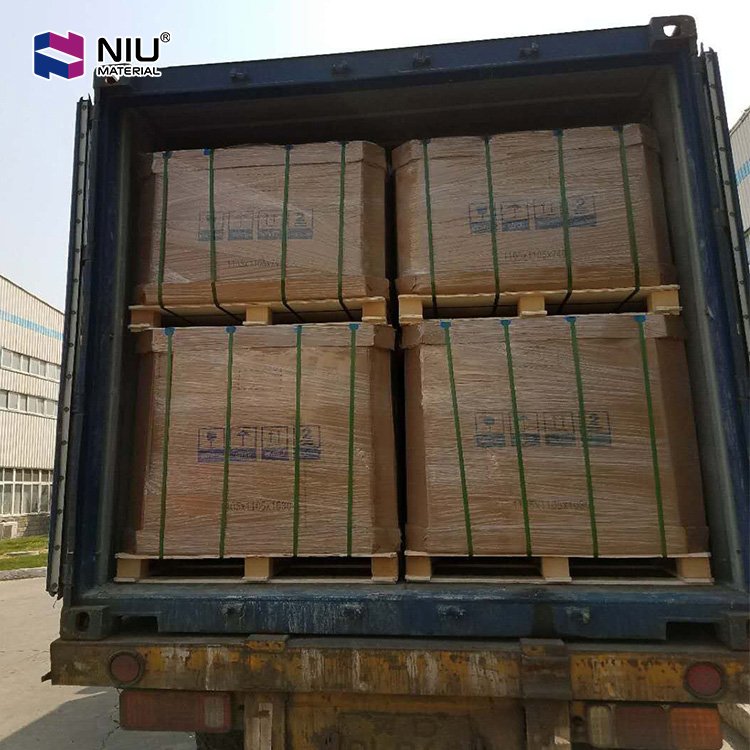
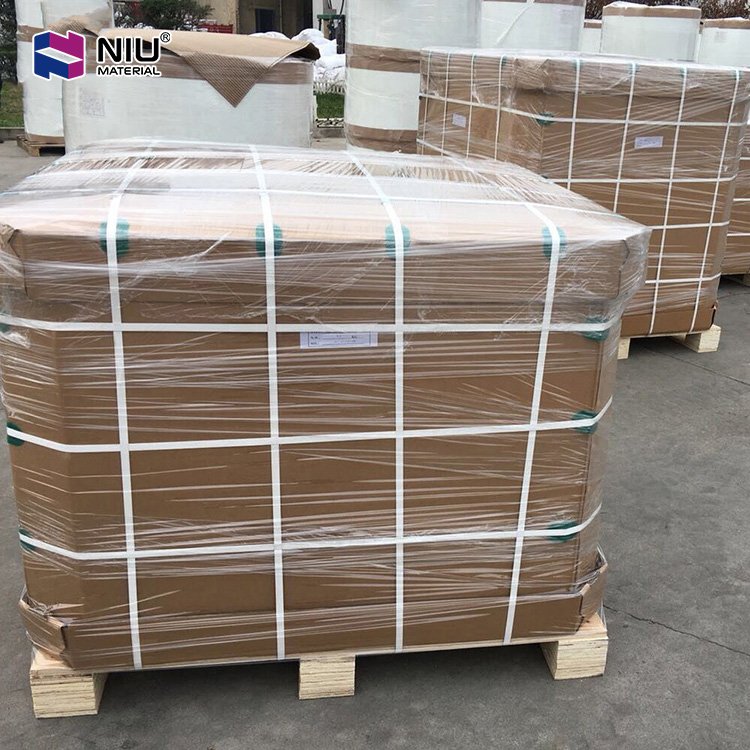
A fiber supplier should be more than a company that ships spools of roving. The right partner understands FRP panel manufacturing, offers clear material specifications, explains customization options, and communicates frankly about lead times and tolerance ranges. That support can prevent a mismatch between roving and chopper equipment, a dispersion problem on the lamination line, or a packaging design that causes damage in transit.
Look for relevant composite materials experience, reliable quality assurance, formulation customization capability, and global supply chain knowledge. Ask to review standard grades before assuming a custom formulation is essential. Confirm available quality documentation and discuss export packaging early, especially when products will cross multiple climates and distribution points.
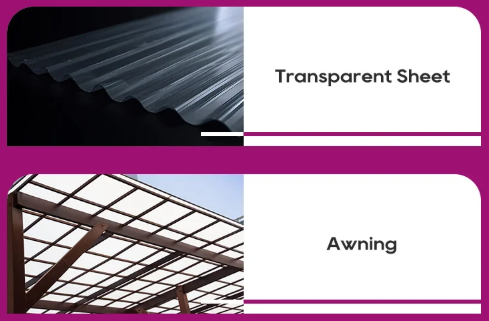
For example, manufacturers specializing in composite material performance can support FRP panel brands with tailored solutions for standard translucent panels, high-strength structural panels, and specialty industrial cladding. Whether the project calls for a standard FRP panel reinforcement roving format, a standout high-strength design, or custom fiber specifications for a full product line upgrade, the goal is the same: deliver a reinforcement material that performs reliably, runs efficiently on the line, and can grow with the brand.
High-performance FRP panels deserve reinforcement materials with as much engineering precision as the panels themselves. Fiberglass Panel Roving helps deliver consistent structural strength, gives brands a premium performance position, supports long-term durability goals, and offers real flexibility in specification, grade, and formulation.
From standard translucent panel reinforcement to specialty industrial panel designs, successful choices balance material performance and manufacturing practicality. Select a roving grade that matches the product design, validate it for the production line, and choose a supplier that can deliver consistently. A good reinforcement material holds the resin matrix together. A great reinforcement material helps people trust the panel.
As the demand for high-performance composite panels continues to grow, fiberglass panel roving will remain an essential choice for companies that want their FRP products to stand out and deliver lasting value.

If you have any questions
Please contact us for free consultation and product quotation

You can leave the specifications and contact information you need~ Our technicians will immediately organize the exclusive information for you and send it to your email!
You can leave your contact information here, and we will send you detailed specifications and application cases to make your purchase clearer~