Add a header to begin generating the table of contents
Introduce
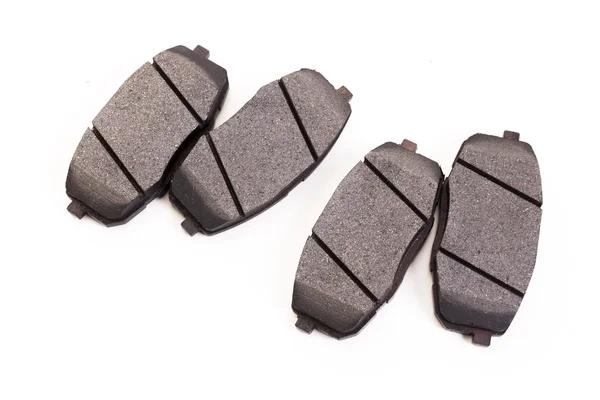
Malaysia’s automotive aftermarket keeps steady demand for replacement brake pads, with huge numbers of old passenger cars and commercial vehicles circulating across Peninsular Malaysia. This market faces a harsh natural environment: year-round tropical high temperature, relative humidity often hitting 75%–90%, frequent sudden monsoon rains.
Many routes run through hilly highland areas, plus stop-start congested city traffic. Local brake pad makers struggle with a core dilemma: standard friction raw materials cannot stand up to combined stress of continuous braking heat, moisture erosion and repeated thermal shock.
Pain Point 1: Fiber uneven dispersion leads to unstable friction coefficient
The customer’s former imported fiber had poor bundling control. During dry mixing with phenolic resin and friction powder, fibers agglomerated easily.
Some batches of finished pads showed inconsistent friction coefficient: good braking performance in low temperature, obvious fade after continuous downhill braking. It caused high reject rate and customer complaints in Malaysia aftermarket. We targeted this issue with our Chopped strands for brake pads.
Solution: Special silane sizing & uniform 3mm cut length
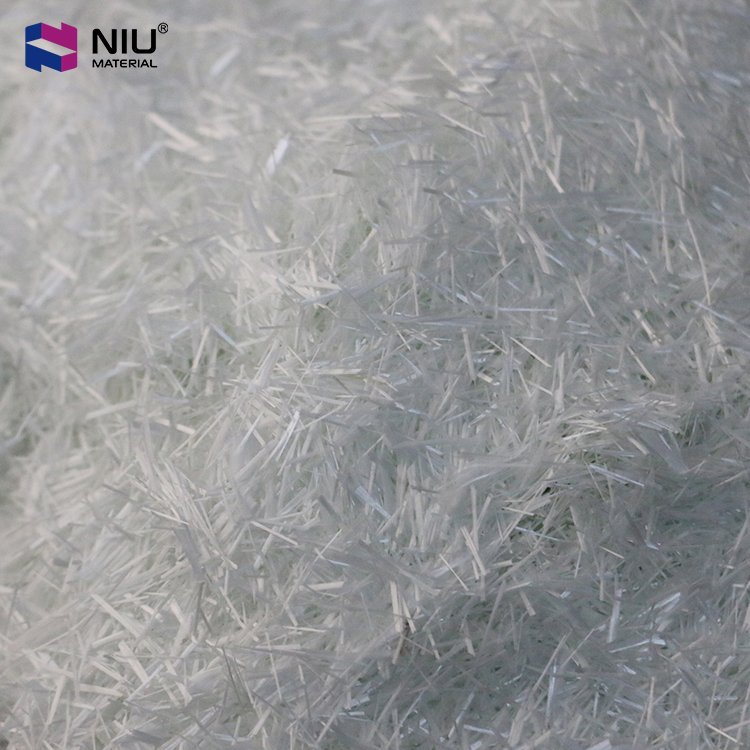
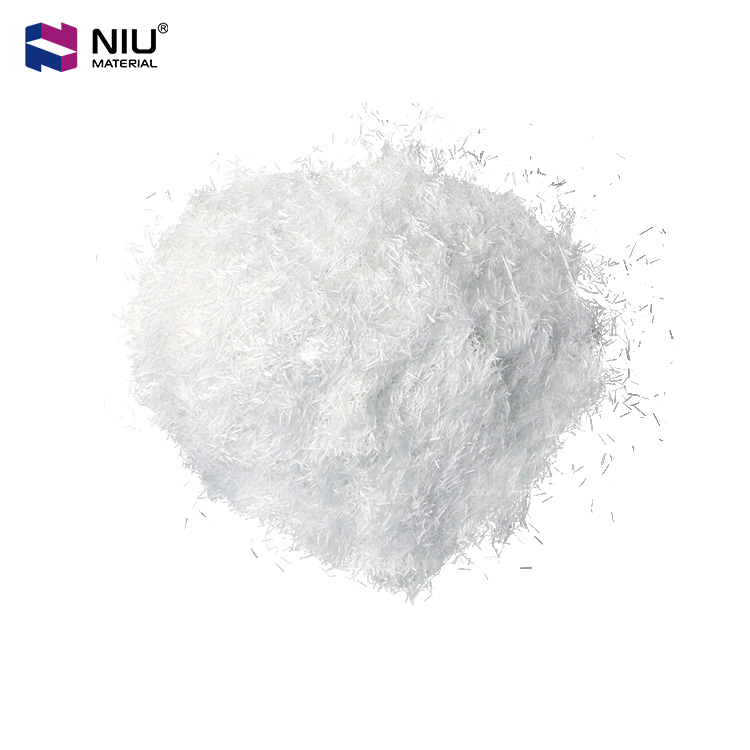
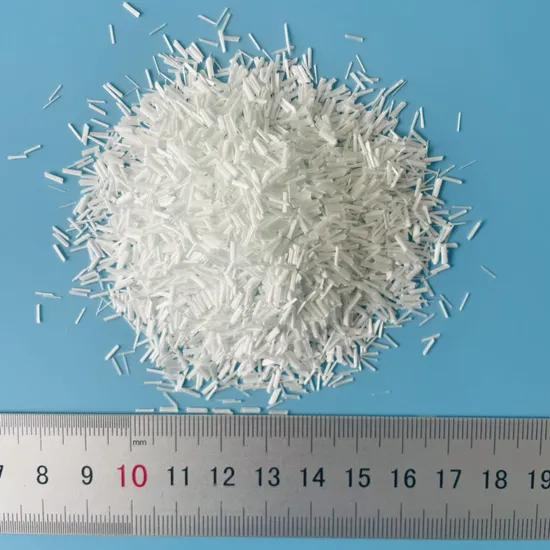
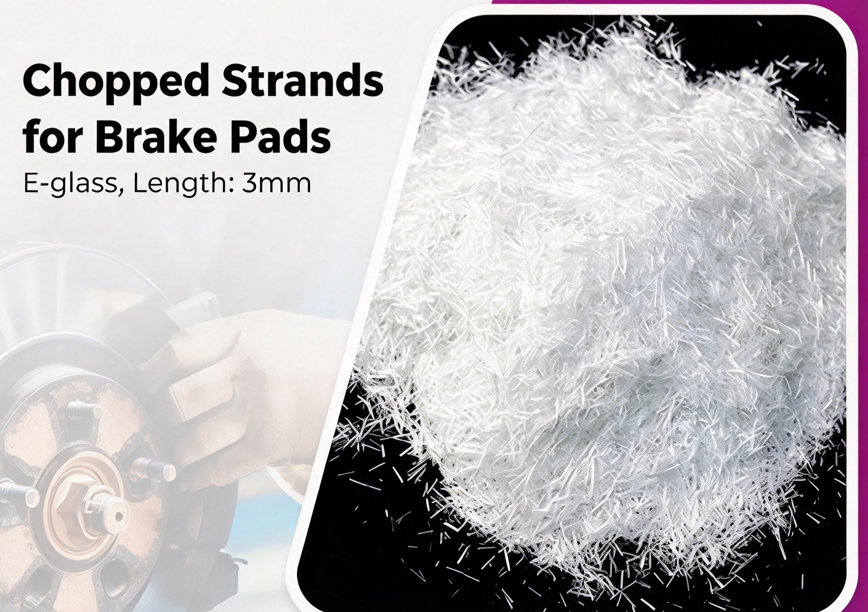
Our Chopped strands for brake pads adopts friction-material dedicated silane sizing agent, perfectly compatible with phenolic resin. Strict fixed 3mm cutting length, low fuzz, excellent flowability and dispersion.
In the customer’s dry mixing process, fibers spread evenly inside the friction compound without clustering. Friction coefficient stays stable under repeated high-temperature braking.
Pain Point 2: Brake pads easy to crack and delamination under hot & humid condition
High humidity in Malaysia accelerates interface failure between fiber and resin. The old fiber had weak bonding force. After hot pressing and curing, finished pads were prone to edge crack, layer separation, especially after cyclic heat shock from repeated braking. The customer needed reinforcement fiber to improve the structural strength of brake pads, and ourChopped strands for brake padssolved it.
Solution: Optimized strand integrity to lift mechanical strength
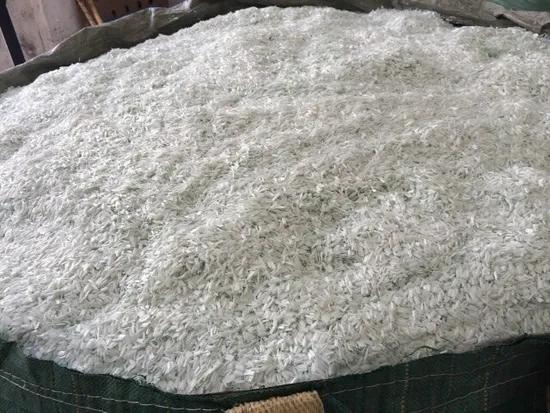
We control strand integrity strictly for Chopped strands for brake pads. The intact fiber bundles form uniform 3D reinforcement network inside the friction block.
It greatly improves tensile strength and impact resistance of brake pads, restrains crack propagation. Even under tropical high humidity and frequent heat cycling, delamination and edge cracking rate dropped sharply.
Pain Point 3: High moisture content, unstable batch quality
Many suppliers’ chopped strands carry high moisture. In Malaysia humid warehouse storage, moisture absorption becomes worse. High moisture will generate bubbles inside pads during hot pressing, forming internal voids and hidden safety risks. OurChopped strands for brake pads is produced with strict moisture control for this tropical storage scenario.
Solution: Low moisture index & stable batch consistency
Our Chopped strands for brake pads keeps moisture ≤0.1%, with stable ignition loss and uniform filament diameter. Batch-to-batch property fluctuation is minimized. The customer can store raw materials locally in Malaysia for a long time without obvious moisture absorption. Hot pressing bubble defect rate is greatly reduced, and batch quality of brake pads becomes predictable.
Final Result Delivered For This Malaysia Order
After formula trial and mass production with our Chopped strands for brake pads, the customer’s brake pad passed local Malaysia market friction and wear lab test. Fade resistance, anti-crack performance meets local aftermarket certification requirement. Their product return rate reduced, product competitiveness upgraded, and they placed repeat bulk order after the trial shipment.
More Application We Can Cover Beyond Brake Pads
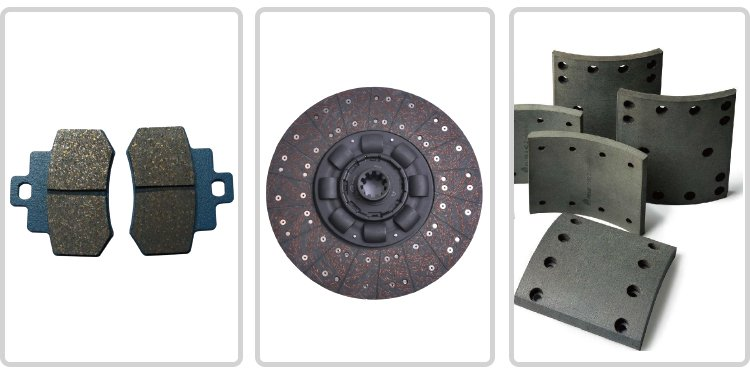
Besides brake pads, this gradeChopped strands for brake padsalso works well on clutch lining, brake shoe and other dry friction components. We can adjust sizing formula and fiber length for different friction material systems, semi-metallic, ceramic and NAO brake formulations. We support custom testing sample for friction material manufacturers from Southeast Asia.
In Conclusion
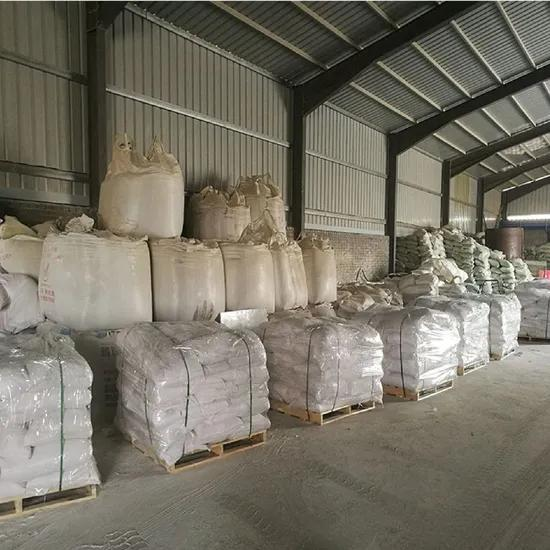
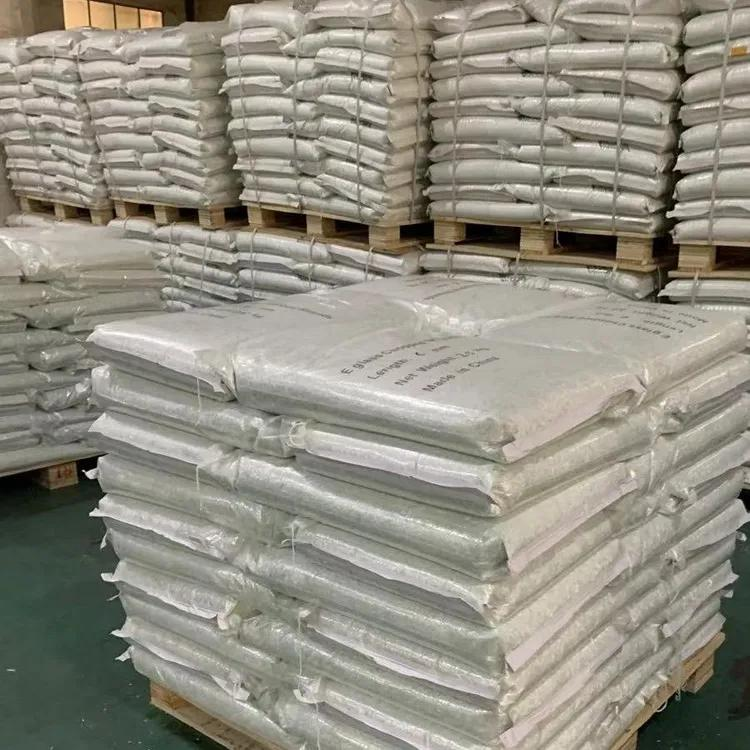
We are a professional E-glass chopped strands factory focusing on friction material field. Our Chopped strands for brake pads is dedicated developed for brake industry, not general-purpose chopped fiber. We provide pre-shipment inspection report, lab test support, flexible packing and stable sea shipment schedule for Malaysia and Southeast Asia. Fast sample delivery and technical formula guidance are available for all buyers.
Do you want to know the technical parameters and TDS of products?
You can leave the specifications and contact information you need~ Our technicians will immediately organize the exclusive information for you and send it to your email!
Interested in this specification?
You can leave your contact information here, and we will send you detailed specifications and application cases to make your purchase clearer~
Contact us via email
You can leave a message about the fiberglass and other composite materials you are interested in/looking for.
We will send you a clear quotation (including product price + shipping cost) within 12 hours.
How can we help you?
You can leave a message about the fiberglass materials you are interested in/looking for.
We will send you a clear quotation (including product price + shipping cost) within 12 hours.