Why Your Insulation Fails Too Soon: The Hidden Power of High-Quality Fiberglass Needle Mat
Table of Contents
Add a header to begin generating the table of contents
Introduce
If you’ve ever dealt with crumbling insulation layers, rising energy bills, or frequent filter replacements in your industrial operations, you’re not alone. Many facility managers and project contractors blame installation errors or harsh working conditions, but they often overlook the most critical factor: the quality of the core insulation material.
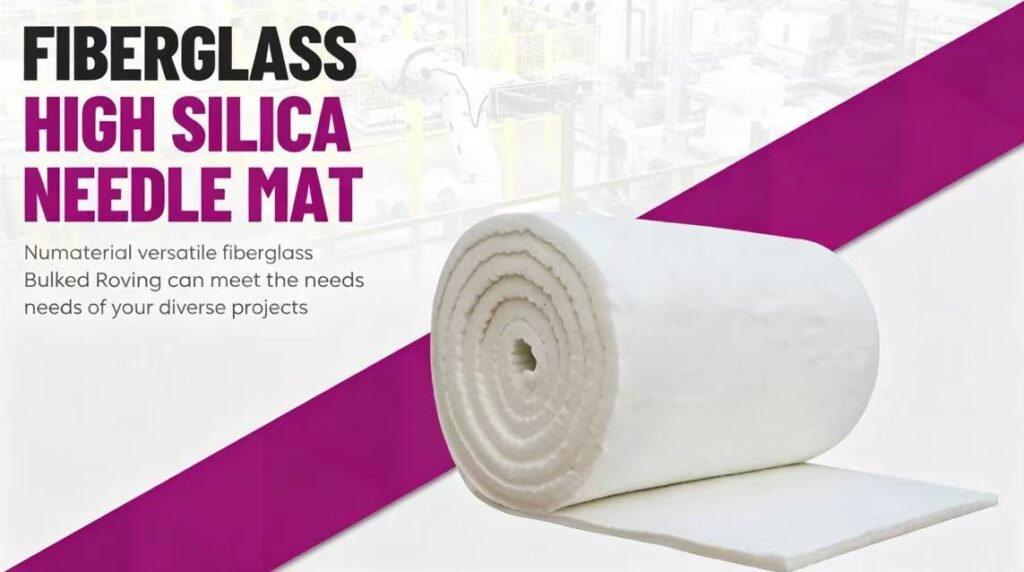
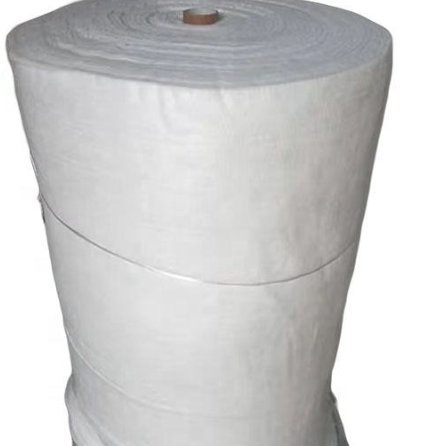
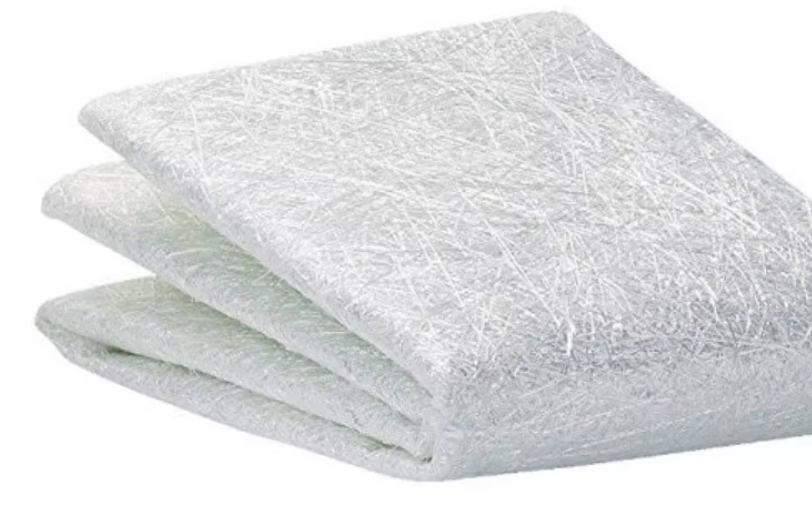
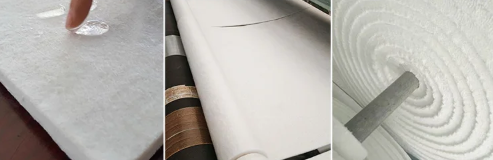
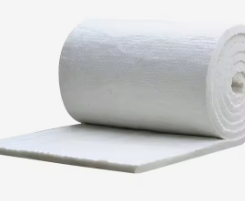
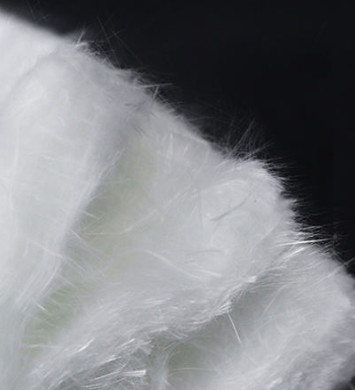
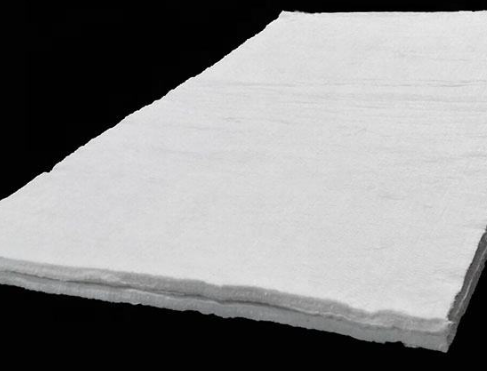
Fiberglass needle mat, a non-woven fiberglass material reinforced by needle-punching technology, has emerged as a high-performance alternative to traditional insulation blankets and filter media. Unlike ordinary glass wool that easily settles and sheds fibers, needle-punched fiberglass felt delivers a more stable structure, longer service life, and consistent performance across extreme temperatures, humidity, and chemical exposure.
Standard Insulation Materials vs. Premium Fiberglass Needle Mat: What’s the Difference?
The Limitations of Traditional Insulation Materials
For decades, common insulation options like ordinary glass wool, rock wool, and ceramic fiber have dominated the market. These materials work for basic room-temperature applications, but they quickly show shortcomings under demanding industrial conditions. Ordinary glass wool has a loose fiber structure that settles over time, creating gaps in the insulation layer and causing thermal performance to drop by 30–40% within 2–3 years. Rock wool is prone to moisture absorption and corrosion, while ceramic fiber comes with high brittleness and health concerns during installation and replacement.
These issues don’t just increase energy costs — they also raise safety risks and create unplanned maintenance work. For industrial facilities running 24/7, unplanned insulation repairs can lead to costly production downtime.
What Makes Fiberglass Needle Mat a Superior Choice?
Alkali-free fiberglass needle mat is manufactured by needle-punching continuous alkali-free glass fibers into a dense, three-dimensional felt structure, with no binders required for structural integrity. This unique production method gives it distinct advantages over traditional insulation materials.
First, it maintains stable thermal performance over a much longer service life. The interlocked fiber structure resists settling, delamination, and fiber shedding, so its thermal conductivity remains consistent even after years of use. Second, it offers excellent temperature adaptability.High-temperature fiberglass needle mat grades can withstand continuous operating temperatures from 250°C to 600°C, covering most industrial heating, drying, and exhaust treatment scenarios.
Additionally, it has good chemical resistance and low moisture absorption, making it suitable for humid or mildly corrosive environments. It also performs well as a filter medium and sound absorber, with uniform pore structure that balances airflow resistance and filtration efficiency.
Full Breakdown of Fiberglass Needle Mat Grades & Key Specifications
Just like large wine bottles come in different sizes for different uses, fiberglass needle felt is available in multiple grades and specifications, each engineered for specific applications. Below is a breakdown of the most common commercial grades and their core parameters.
Building acoustics, automotive interior insulation
Note: Actual thickness, density, and performance parameters can be customized based on specific project requirements and production process adjustments.
Detailed Introduction to Core Grades
High-Temperature Fiberglass Needle Mat
High-temperature fiberglass needle mat is the most widely used industrial grade, formulated with high-temperature resistant glass fibers and reinforced by deep needle punching. It maintains dimensional stability and low thermal conductivity even under long-term high-temperature exposure, with minimal thermal shrinkage.
This grade is the go-to choice for power plant pipelines, petrochemical equipment, and industrial furnace insulation. It reduces heat loss significantly, improves energy efficiency, and avoids the frequent replacement required by ordinary insulation materials.
Filtration Fiberglass Needle Mat
Filtration fiberglass needle mat features a controlled, uniform pore structure and high dust holding capacity, making it an ideal filter media for high-temperature flue gas treatment and industrial dust collection systems.
Compared with traditional filter cloth, it has better dimensional stability and temperature resistance, and can be treated with water-repellent, oil-repellent, or anti-static coatings to adapt to different working conditions. It is widely used in baghouse dust collectors, asphalt mixing plants, and metallurgical waste gas treatment.
Fire-Resistant and Sound-Absorbing Grades
Fire-resistant fiberglass needle mat meets strict flame retardant standards, does not produce toxic fumes when exposed to fire, and is commonly used in building fire protection partitions, tunnel lining insulation, and safety-related thermal insulation projects.
Sound-absorbing fiberglass needle felt has an open porous structure that effectively absorbs mid and high frequency noise. It is widely used in cinema walls, office partitions, automotive interior sound insulation, and mechanical equipment noise reduction, providing both acoustic and thermal insulation benefits in one material.
Industry-Wide Applications of Fiberglass Needle Felt You Should Know
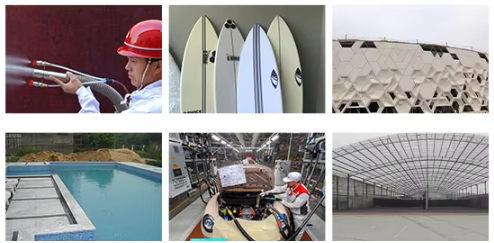
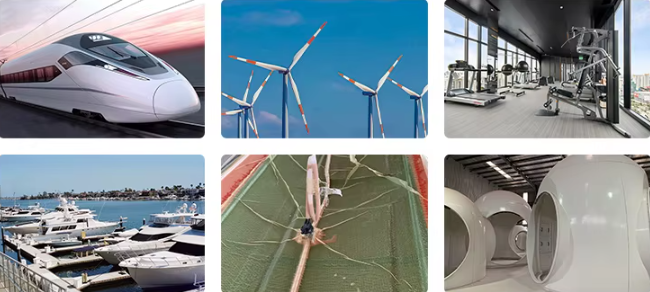
The versatility ofindustrial-grade fiberglass needle felt means it serves far more than just basic thermal insulation. It plays a critical role across dozens of industries, with each field leveraging different properties of the material.
Industrial Thermal Insulation & Energy Conservation
This is the largest application scenario for fiberglass needle mat. In thermal power, petrochemical, metallurgical, and building materials industries, high-temperature fiberglass needle matis used for insulation of boilers, reaction vessels, high-temperature pipelines, and drying equipment.
Its stable thermal performance reduces heat loss and lowers production energy consumption, while its long service life cuts maintenance frequency and avoids production shutdowns caused by insulation replacement.
Environmental Protection & Flue Gas Filtration
As environmental regulations become stricter, industrial dust removal and waste gas treatment have higher requirements for filter media. Filtration fiberglass needle mat is the core filter material for high-temperature bag dust removal systems.
It can withstand the high temperature and corrosive components in flue gas, maintains stable filtration efficiency for a long time, and helps enterprises meet emission standards. It is also commonly used in asphalt production, cement plants, and waste incineration projects.
Construction & Building Energy Efficiency
In the construction industry,thermal insulation fiberglass needle felt is used for external wall insulation, roof insulation, HVAC duct insulation, and fire protection partitions.
Its light weight reduces the load on building structures, and its moisture resistance avoids mold and performance degradation caused by water absorption. Combined with its sound absorption performance, it creates a more comfortable, energy-efficient indoor environment.
Automotive & Transportation
In the automotive and rail transit industries, sound-absorbing fiberglass needle feltis used for interior sound insulation and engine compartment heat insulation. It reduces noise transmission while blocking engine heat from entering the passenger compartment, improving ride comfort.
Its high temperature resistance and flame retardant properties also meet the strict safety requirements of the transportation industry.
Technical Tips for Industrial Buyers Sourcing Fiberglass Needle Mat
For B2B buyers and project contractors, the appearance of fiberglass needle mat products may look similar, but the actual performance gap can be huge. Paying attention to the following technical indicators will help you avoid selecting low-quality products that fail prematurely.
Thermal Conductivity and Temperature Resistance Rating
Thermal performance is the core indicator for insulation materials. High-qualityalkali-free fiberglass needle mat has stable thermal conductivity that does not increase significantly with long-term use. When sourcing, you should verify not only the initial thermal conductivity data, but also the thermal performance after aging at the rated temperature.
For high-temperature applications, confirm the continuous service temperature and short-term peak temperature tolerance of the product. Using a product with an insufficient temperature rating will cause rapid fiber embrittlement, powdering, and complete loss of insulation performance.
Tensile Strength and Structural Stability
Needle-punched reinforcement is the core process that distinguishes needle mat from ordinary glass wool. High-quality products have uniform needle punching density, strong inter-fiber bonding, and high longitudinal and transverse tensile strength.
Products with insufficient needle punching strength will delaminate, shed fibers, and settle during transportation, installation, and use, creating gaps in the insulation layer. For filter-grade products, poor structural stability will lead to filter bag breakage and filtration failure.
Surface Treatment and Adaptability to Working Conditions
Many application scenarios require additional surface treatment to improve performance. For humid or outdoor environments, water-repellent treatment can reduce moisture absorption and prevent performance degradation. For filtration scenarios, oil-repellent, anti-static, and PTFE coating treatments can extend service life and improve filtration efficiency.
When customizing products, you should fully communicate your working conditions with the supplier, including temperature range, humidity, chemical composition of the contact medium, and wind speed, so that the most suitable material formulation and surface treatment scheme can be selected.
In Conclusion
Fiberglass needle mat is far more than an ordinary insulation material — it is a high-performance solution that improves energy efficiency, reduces maintenance costs, and extends system service life. From standard thermal insulation grades to high-temperature, filtration, fire-resistant, and sound-absorbing specialty grades, each type of product is designed to solve specific pain points in different industries.
For distributors, project contractors, and industrial manufacturers, choosing the right grade of fiberglass needle felt and partnering with a reliable supplier can help you reduce total project costs, improve product performance, and gain a stronger competitive edge in the market.
Whether you need standard bulk thermal insulation fiberglass needle felt or custom-formulatedhigh-temperature fiberglass needle mat for special projects, a professional fiberglass product manufacturer can provide the technical support and production capacity you need to bring your insulation and filtration solutions to life.
Do you want to know the technical parameters and TDS of products?
You can leave the specifications and contact information you need~ Our technicians will immediately organize the exclusive information for you and send it to your email!
Interested in this specification?
You can leave your contact information here, and we will send you detailed specifications and application cases to make your purchase clearer~
Contact us via email
You can leave a message about the fiberglass and other composite materials you are interested in/looking for.
We will send you a clear quotation (including product price + shipping cost) within 12 hours.
How can we help you?
You can leave a message about the fiberglass materials you are interested in/looking for.
We will send you a clear quotation (including product price + shipping cost) within 12 hours.