Beyond Friction: The Reinforcement Factor in Brake Pad Formulations
Table of Contents
Add a header to begin generating the table of contents
Why Do Brake Pad Manufacturers Need Reinforcement Fibers?
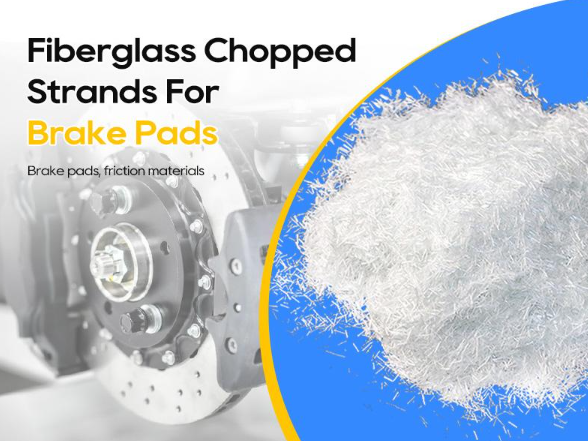
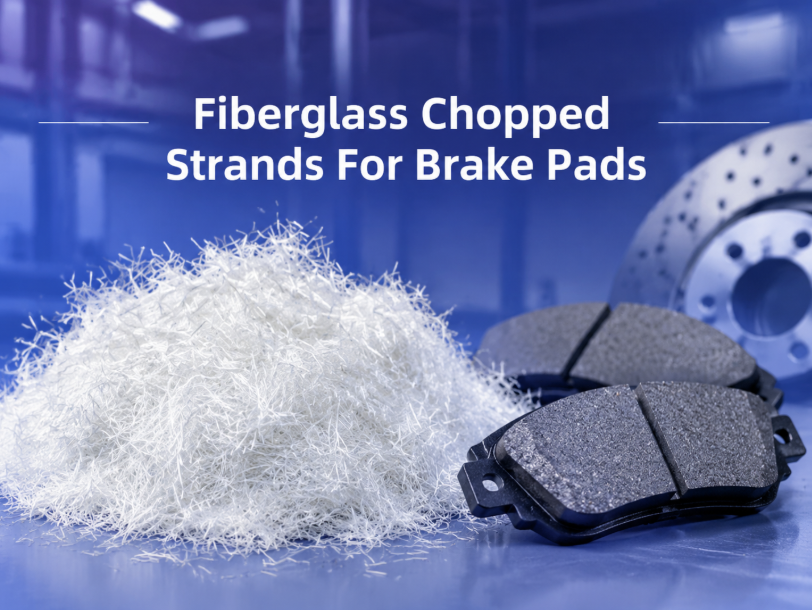
Brake pads operate under repeated friction, pressure and temperature changes. Their friction materials are generally formulated with several components, including binders, reinforcing fibers, fillers, abrasives and friction modifiers. Reinforcement fibers help support the mechanical structure of the friction material. Fiberglass Chopped Strands For Brake Pads can be incorporated as one of the inorganic reinforcing components in suitable friction formulations.
What Role Do Fiberglass Chopped Strands Play in Brake Pads?
Glass fibers can contribute to the mechanical structure of friction materials. Depending on fiber dimensions, content, formulation and processing conditions, they may influence hardness, stiffness, compressibility, wear behavior and friction characteristics. Fiberglass Chopped Strands For Brake Pads are therefore selected as part of a complete formulation rather than used as a standalone solution for braking performance.
Why Is Fiber Length Important in Brake Friction Materials?
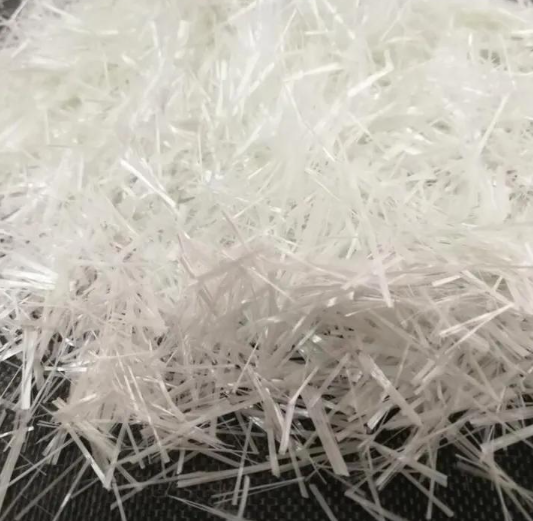
Fiber length affects how fibers interact with the binder and other ingredients during mixing and molding. Chopped glass fibers are used in dry mixing and molding processes for friction materials, but the appropriate length must be determined through formulation development and production trials. SelectingFiberglass Chopped Strands For Brake Pads with suitable dimensions helps manufacturers evaluate reinforcement, mixing behavior and the resulting friction-material structure.
How Can Fiberglass Chopped Strands Be Incorporated into Brake Pad Production?
In a typical manufacturing route, chopped fibers are added to the friction-material mixture together with other ingredients. The mixture is then processed through the manufacturer’s established forming, molding and curing procedures. The fiber type, length, addition ratio and mixing sequence all need to be evaluated as part of the formulation. Fiberglass Chopped Strands For Brake Pads should be compatible with the binder system and the manufacturer’s processing conditions.
What Should Manufacturers Check Before Choosing Fiberglass Chopped Strands?
Fiber length: Select according to the formulation and mixing equipment.
Filament diameter: Consider its influence on fiber structure and processing.
Sizing compatibility: Confirm compatibility with the binder and other ingredients.
Moisture content: Check whether the product meets the required storage and processing conditions.
Fiber appearance: Evaluate strand consistency and the presence of unwanted bundles.
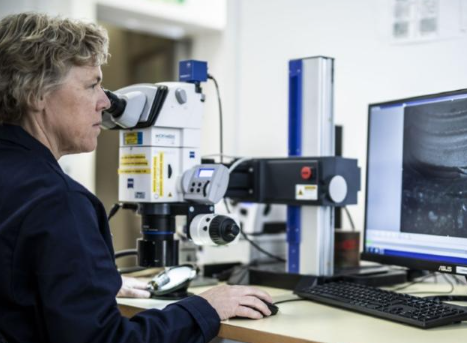
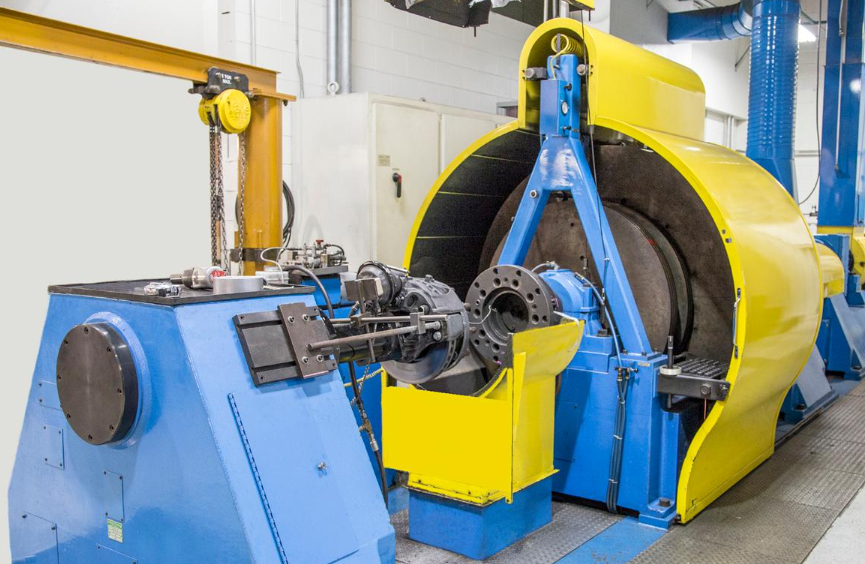
Application testing: Verify the final friction coefficient, wear, thermal behavior and noise characteristics through appropriate tests.
The correct specification should be determined through cooperation between the material supplier and the brake friction-material formulator.
How Can You Find the Right Fiberglass Reinforcement for Your Brake Pads?
Every brake friction formulation is different. To select suitableFiberglass Chopped Strands For Brake Pads, share your required fiber length, filament diameter, sizing type, target addition ratio and production process with our team. NIU MATERIAL can discuss the available specifications and help you identify a product for laboratory evaluation and production trials.
Contact us to discuss your brake friction-material requirements and explore a suitable fiberglass reinforcement solution.
Do you want to know the technical parameters and TDS of products?
You can leave the specifications and contact information you need~ Our technicians will immediately organize the exclusive information for you and send it to your email!
Interested in this specification?
You can leave your contact information here, and we will send you detailed specifications and application cases to make your purchase clearer~
Contact us via email
You can leave a message about the fiberglass and other composite materials you are interested in/looking for.
We will send you a clear quotation (including product price + shipping cost) within 12 hours.
How can we help you?
You can leave a message about the fiberglass materials you are interested in/looking for.
We will send you a clear quotation (including product price + shipping cost) within 12 hours.