From Fine Yarn to Stronger Structures: The Value Behind Every Filament
Table of Contents
Add a header to begin generating the table of contents
Why Do Manufacturers Choose Fiberglass Fine Yarn?
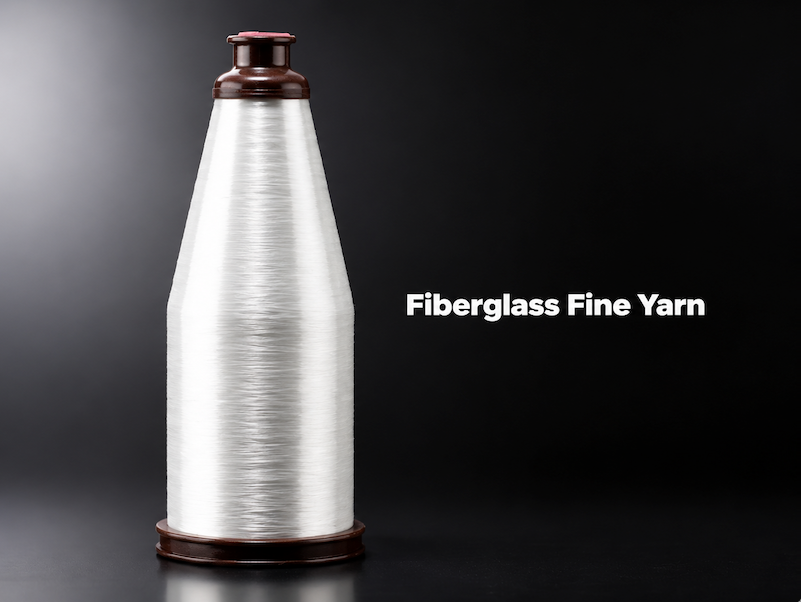
When a product requires a combination of strength, heat resistance, and dimensional stability, manufacturers opt for glass fiber yarn. Its continuous-filament structure makes it well-suited for textile processing, while a variety of yarn specifications allow manufacturers to select the ideal material based on requirements for fabric density, flexibility, and the characteristics of the final product.
Key material properties include:
High tensile strength: Enables the production of high-strength reinforced fabrics.
Heat resistance: Suitable for various high-temperature textile applications.
Dimensional stability: Helps fabrics maintain their shape under appropriate operating conditions.
Non-flammability: A critical characteristic for many industrial insulation applications.
Chemical resistance: Offers resistance to a wide range of chemicals, depending on the type of glass and the operating environment.
Where Is Fiberglass Yarn Commonly Used?
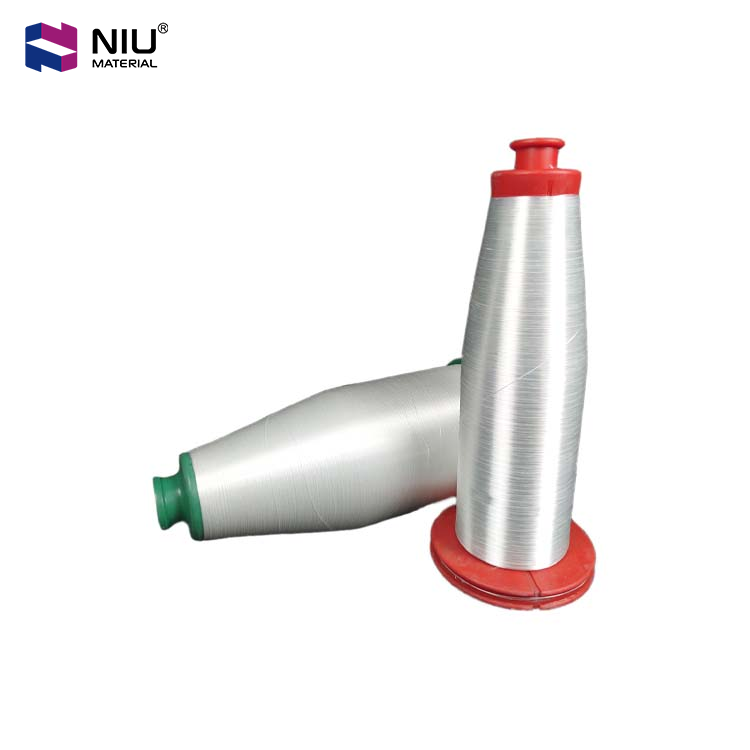
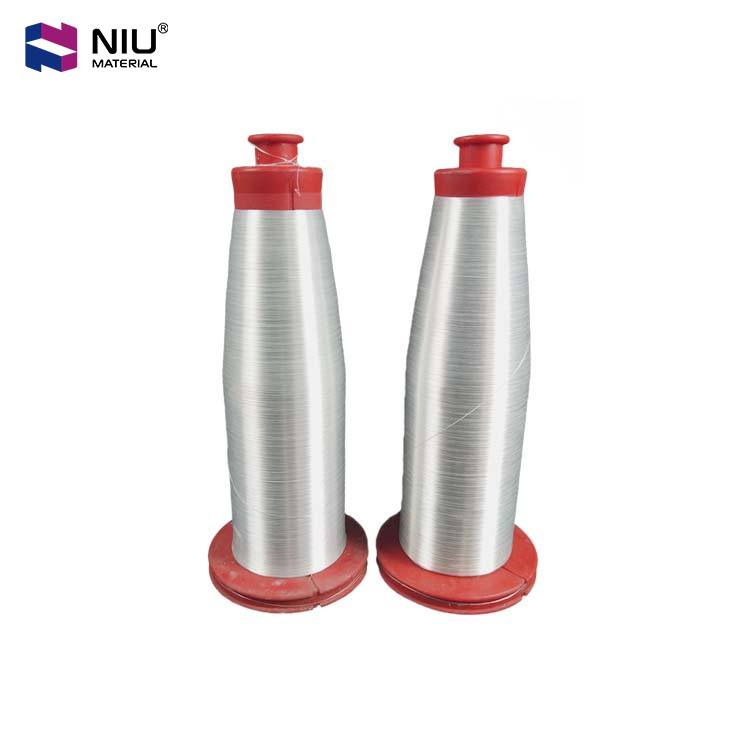
Fiberglass yarn is mainly used as a raw material for manufacturing industrial textiles and reinforcement products. Its applications depend on yarn specifications, sizing compatibility and the requirements of the finished product.
Common applications include:
Fiberglass woven fabrics: Yarn is woven into fabrics used for composite reinforcement, industrial covers and protective materials.
Fiberglass mesh: Suitable yarns are used as warp and weft materials to manufacture reinforcement mesh for construction applications.
Fiberglass tapes and sleeves: Yarn can be processed into narrow woven tapes and braided sleeves for electrical and thermal insulation.
Electrical insulation fabrics: Used in selected insulation tapes, fabrics and other electrical insulation products.
Thermal insulation textiles: Used in suitable high-temperature fabrics and protective textile products.
Industrial filter fabrics: Specially selected fiberglass yarns can be woven into filter fabrics for suitable industrial filtration environments.
Can Fiberglass Yarn Be Used for Weaving and Knitting?
Yes. Depending on its yarn construction, twist, filament diameter and sizing, fiberglass yarn can be processed through suitable textile equipment.
Weaving: Used to produce fiberglass woven fabrics, mesh and industrial textile materials.
Braiding: Used to manufacture fiberglass sleeves and tubular reinforcement products.
Twisting and winding: Used to prepare yarns for specific textile and industrial processing requirements.
Knitting: Selected yarn constructions can be used in suitable knitting processes to manufacture specialized fiberglass textiles.
The correct yarn construction should be matched to the machine type and processing conditions. Not every fiberglass yarn is suitable for every textile process.
How Do You Choose the Right Fiberglass Yarn Specification?
Selecting the rightfiberglass fine yarn starts with understanding the final product and manufacturing process. A yarn that performs well in weaving may require different characteristics from one used in braiding or electrical insulation textiles.
Before purchasing, consider the following factors:
Linear density (Tex): Determines the mass per unit length and helps match yarn weight to the required fabric construction.
Filament diameter: Influences yarn texture, flexibility and processing characteristics.
Twist: Affects yarn cohesion and handling during textile production.
Sizing type: Needs to be compatible with the intended textile process or downstream resin system.
Moisture content: Should meet the requirements for stable storage and processing.
Tensile properties: Should match the mechanical requirements of the finished textile.
Providing your target application and equipment information helps suppliers recommend a more suitable fiberglass yarn specification.
Why Choose NIU MATERIAL for Fiberglass Yarn?
A reliable fiberglass yarn supplier should understand more than product specifications. The supplier should also consider textile processing requirements, sizing compatibility and the customer’s final application.
At NIU MATERIAL, we focus on supporting customers with:
Product selection: Assistance in matching yarn specifications to the intended application.
Specification options: Different Tex values and yarn constructions according to product availability and customer requirements.
Quality attention: Focus on yarn appearance, linear density, winding condition and packaging.
Application communication: Understanding the customer’s textile equipment and processing requirements before recommending a product.
Export support: Assistance with product details, order coordination and international shipment arrangements.
Whether you manufacture fiberglass fabrics, mesh, insulation tapes or braided sleeves, our team can help you discuss a suitable fiberglass fine yarn solution.
How Can You Get a Fiberglass Yarn Solution for Your Project?
Every textile product has different requirements. To help us recommend the right fiberglass yarn, please share your required Tex, filament diameter, twist, sizing type, intended application and processing equipment.
NIU MATERIAL is ready to discuss your requirements and help you identify a suitable yarn specification for your next production project.
Do you want to know the technical parameters and TDS of products?
You can leave the specifications and contact information you need~ Our technicians will immediately organize the exclusive information for you and send it to your email!
Interested in this specification?
You can leave your contact information here, and we will send you detailed specifications and application cases to make your purchase clearer~
Contact us via email
You can leave a message about the fiberglass and other composite materials you are interested in/looking for.
We will send you a clear quotation (including product price + shipping cost) within 12 hours.
How can we help you?
You can leave a message about the fiberglass materials you are interested in/looking for.
We will send you a clear quotation (including product price + shipping cost) within 12 hours.